Duty to Disobey: The Veterans Who Refused and Paid the Price
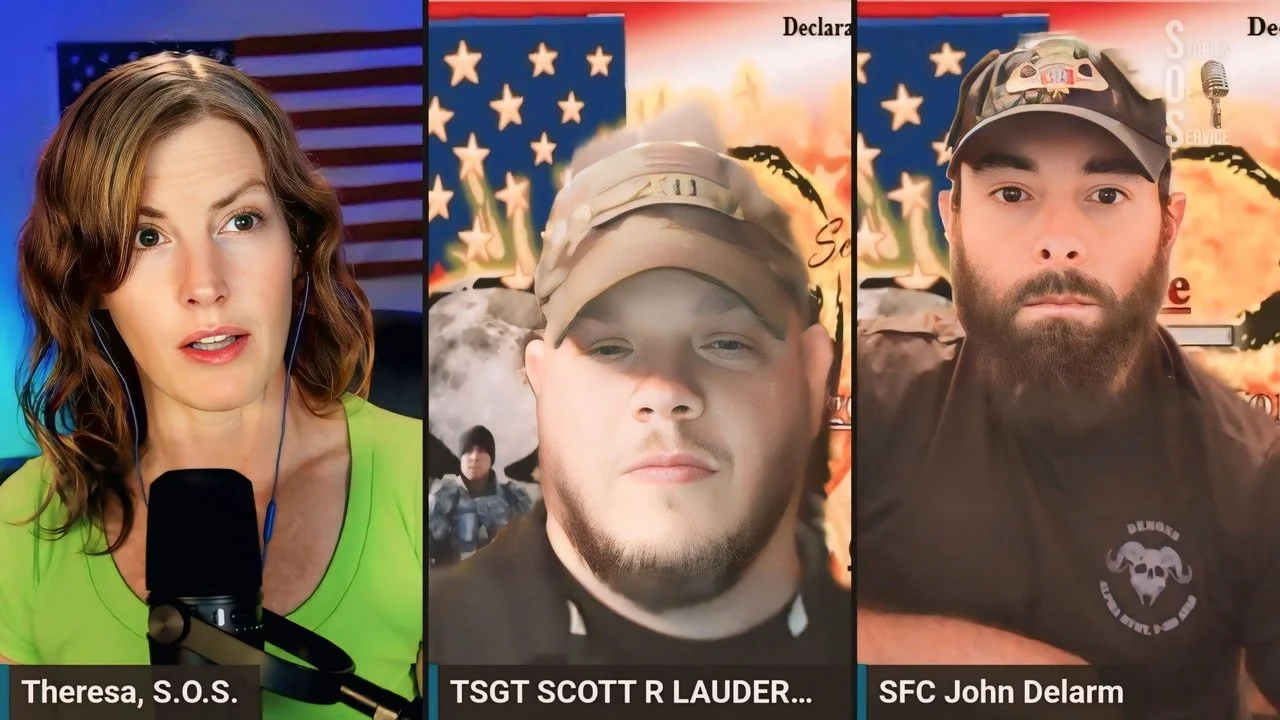
The military is built on discipline, service, and the expectation that lawful orders will be followed. But what happens when service members believe an order may not be lawful? That question sits at the center of an ongoing debate surrounding the Department of Defense’s COVID-19 vaccine mandate and its impact on thousands of military personnel.
In a recent conversation on the Stories of Service podcast, retired Air Force reservist Scott Lauderbrough and former Army Sergeant First Class John Eugene Delarm shared their experiences navigating one of the most contentious periods in recent military history. Their stories offer a window into the personal, professional, and emotional consequences that many service members say they faced during the pandemic.
While opinions on the vaccine mandate remain deeply divided, the discussion highlights broader questions about military leadership, accountability, individual rights, and the lasting effects of decisions made during a time of national uncertainty.
A Career of Service Interrupted
For both men, military service was more than a job—it was a defining part of their identities.
Lauderbrough served across multiple branches, including the Navy, Army, Pennsylvania Air National Guard, and Air Force Reserve. Over a military career spanning 25 years, he participated in humanitarian missions, disaster response efforts, and leadership roles that culminated in serving as a senior noncommissioned officer.
Delarm’s Army career followed a similarly dedicated path. A combat veteran, jumpmaster, and drill sergeant, he spent nearly two decades serving his country. By his account, his career progression was on track, with leadership positions and future promotion opportunities ahead of him.
Then came the COVID-19 pandemic.
Like millions of Americans, military personnel suddenly found themselves navigating lockdowns, evolving public health guidance, and rapidly changing policies. For many service members, the vaccine mandate became one of the most consequential directives of their careers.
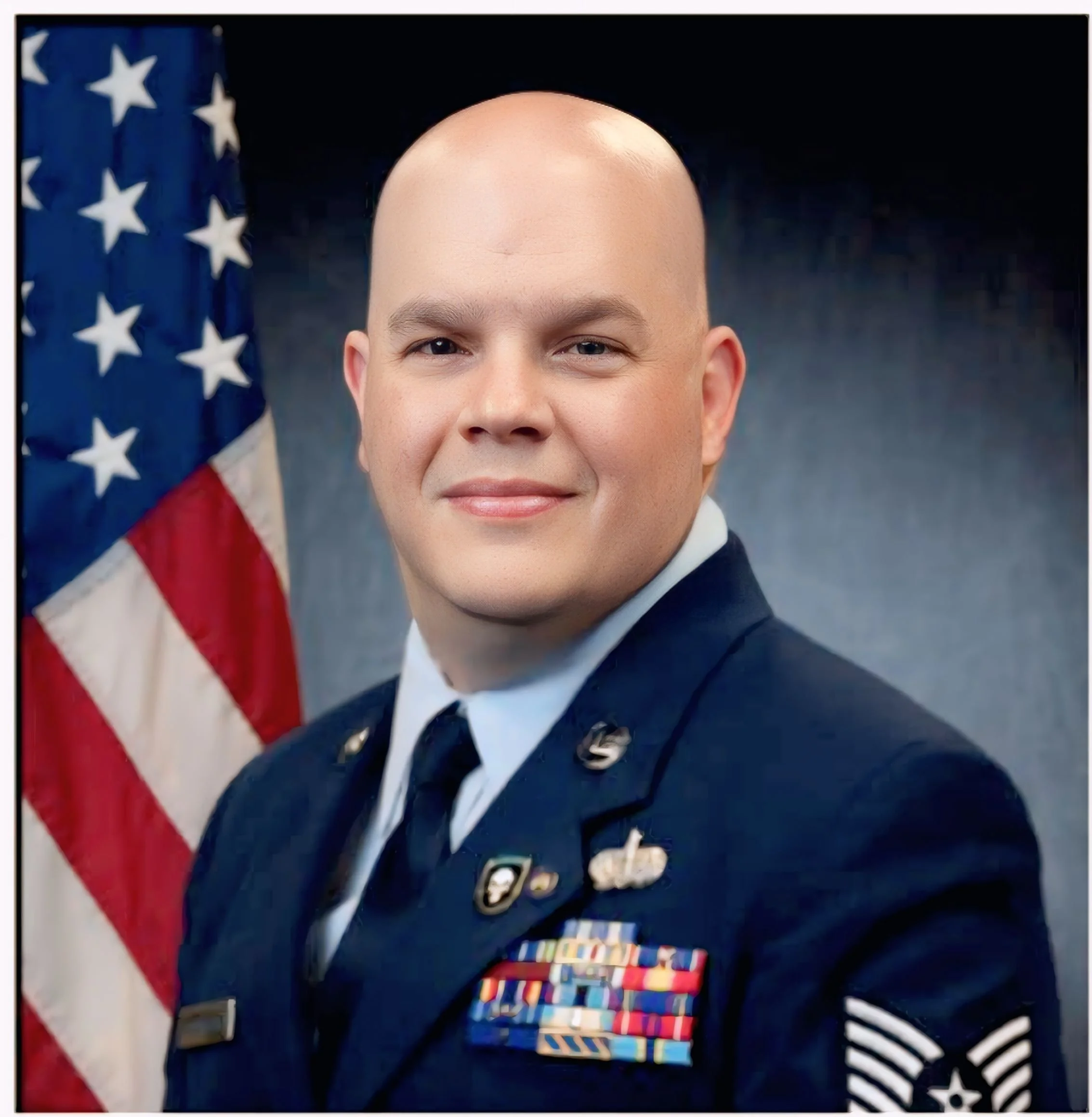
GUEST BIO: WHO IS SCOTT LAUDERBROUGH?
Scott Lauderbrough is a retired Air Force Reserve senior noncommissioned officer whose military service spanned more than two decades across multiple branches of the U.S. Armed Forces. Throughout his career, he served in leadership roles, supported humanitarian and disaster response missions, and became known for mentoring younger service members under his charge.
Following his military career, Lauderbrough emerged as an advocate for service members affected by the Department of Defense’s COVID-19 vaccine mandate. Drawing on his experience as a senior leader, he has spoken publicly about military readiness, leadership accountability, and the challenges faced by troops navigating complex policy decisions.
Today, he continues to engage in discussions surrounding veterans’ rights, military culture, and the importance of preserving trust between service members and the institutions they serve.
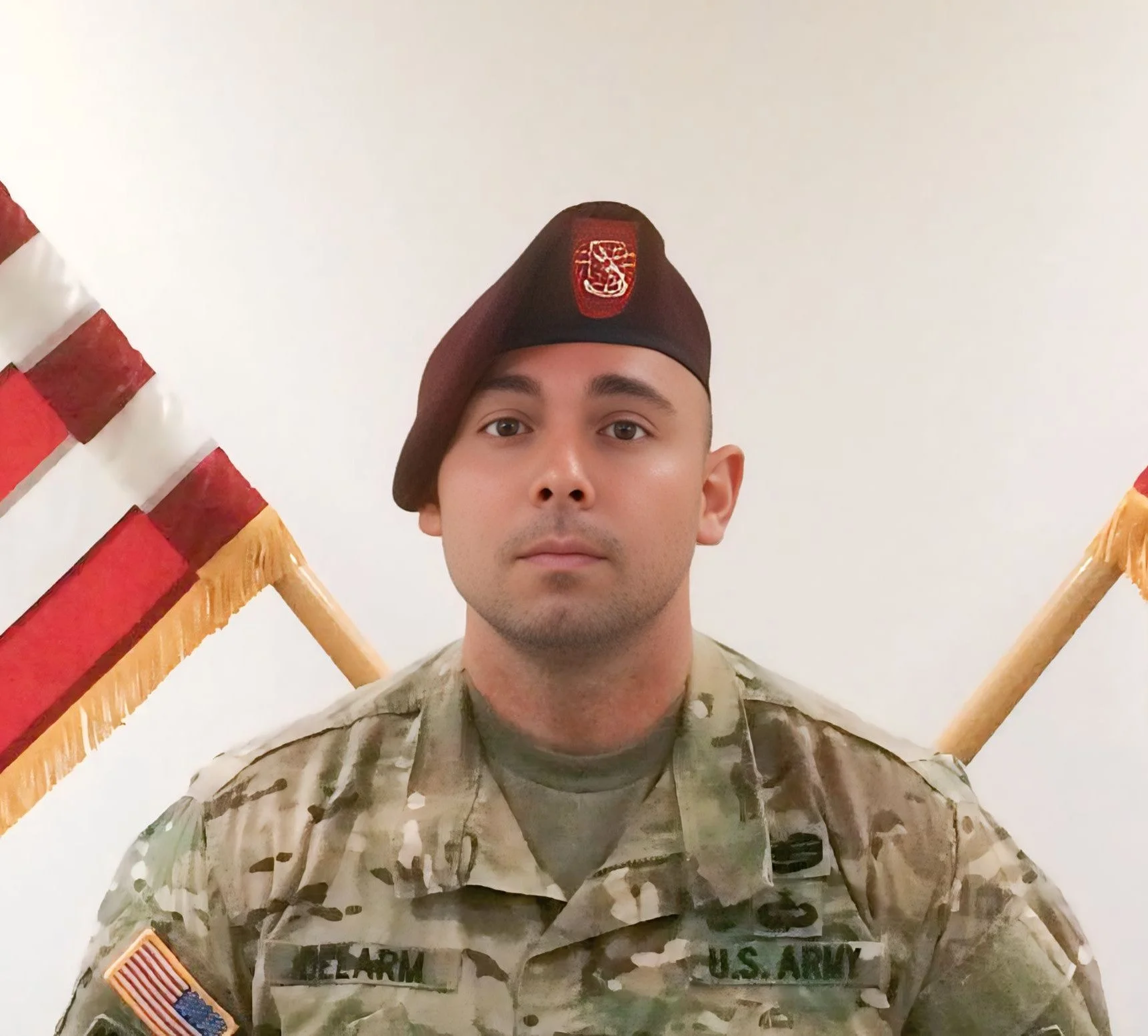
GUEST BIO: WHO IS JOHN EUGENE DELARM?
John Eugene Delarm is a former U.S. Army leader, combat veteran, and military instructor who has dedicated much of his post-service life to researching military policy, service member rights, and government accountability. Known for his analytical approach to complex legal and administrative issues, he has become a prominent voice in discussions surrounding military decision-making during the COVID-19 era.
Drawing on years of leadership experience and extensive independent research, Delarm works to educate veterans and service members on topics involving military regulations, informed consent, and the responsibilities of command. His advocacy focuses on encouraging transparency, fostering informed dialogue, and helping veterans better understand policies that affect their careers and benefits.
Through public speaking, interviews, and veteran-focused initiatives, Delarm continues to engage with military communities on issues of leadership, ethics, and the long-term impact of government policy on those who serve.
The Question of Lawful Orders
One of the central themes of the discussion was whether the mandate itself complied with existing laws governing military medical requirements.
Delarm has spent years researching the legal framework surrounding Emergency Use Authorization (EUA) products and military vaccination policies. He argues that the distinction between FDA-approved vaccines and vaccines distributed under EUA status became a critical issue that many service members did not fully understand at the time.
Supporters of the mandate maintain that military readiness and force protection justified widespread vaccination efforts during a global public health crisis. Critics, however, contend that questions surrounding informed consent, exemptions, and legal authority were never adequately addressed.
For Lauderbrough and Delarm, the issue was not simply about vaccination. It was about whether service members were being given complete information and whether existing laws were being properly followed.
Regardless of where one stands on the debate, the controversy underscores how difficult it can be to balance public health concerns with individual rights inside an institution designed around obedience and command authority.
The Human Side of the Mandate
Beyond the legal arguments, both veterans described what they viewed as a climate of intense pressure within military units.
Lauderbrough recalled witnessing young service members struggling with the decision, some fearing the consequences of refusal while others worried about losing their careers. As a senior NCO, he believed he had a responsibility to advocate for those under his leadership, even when doing so placed his own career at risk.
Delarm described similar experiences, recounting mandatory briefings, counseling statements, and increasing restrictions placed on personnel who chose not to comply with vaccination requirements.
For many military members, the decision was not made in isolation. It affected families, retirement plans, professional reputations, and future opportunities.
The emotional toll was significant.
Many service members felt trapped between competing obligations—to follow orders, protect their careers, remain true to their beliefs, and support their families. Even years later, those experiences continue to shape how they view military leadership and institutional trust.
Career Consequences and Lingering Questions
One of the most striking aspects of the conversation was the discussion of long-term career impacts.
Both veterans described setbacks that they believe resulted directly from their opposition to the mandate. Promotions stalled. Professional opportunities disappeared. Administrative actions followed.
Lauderbrough ultimately fought for reinstatement after being pushed into the Inactive Ready Reserve and later retired honorably. Delarm, meanwhile, has continued pursuing accountability efforts and advocating for what he believes are unresolved grievances affecting former service members.
These stories mirror those of many veterans across the country who continue to seek answers regarding exemption requests, discharge classifications, lost promotions, and other administrative actions connected to the mandate period.
Even as policies have changed, many argue that the consequences remain.
A Movement for Accountability
Since leaving uniform, both men have become active advocates for service members affected by the mandate.
Organizations and grassroots movements have emerged to support veterans seeking redress, legal review, and policy reforms. Advocates argue that accountability is necessary not only to address past decisions but also to ensure similar controversies are handled differently in the future.
Their efforts have also contributed to projects such as Duty to Disobey, a documentary examining the experiences of military personnel who challenged the mandate and the consequences they faced.
Whether one agrees with their conclusions or not, these advocates have succeeded in keeping the conversation alive. They have raised questions that continue to resonate among veterans, policymakers, and military leaders alike.
WATCH FULL EPISODE HERE
Lessons Beyond the Pandemic
The COVID-19 era exposed tensions that extend far beyond vaccines.
At its core, the debate touches on enduring questions about leadership, trust, transparency, and institutional accountability. How should military organizations respond during emergencies? How can leaders maintain readiness while respecting individual concerns? What safeguards should exist when policies affect careers and livelihoods?
These are not easy questions, and there are no simple answers.
What is clear is that the pandemic forced service members into situations few could have imagined. Decisions made during those years continue to influence military culture, veteran advocacy, and public discussions about civil liberties and government authority.
Moving Forward
As the nation reflects on the lessons of the pandemic, conversations like this one serve as an important reminder that policy decisions have human consequences.
For Scott Lauderbrough and John Eugene Delarm, the debate is not merely historical. It is personal. Their stories reflect the experiences of veterans who believe they paid a significant price for standing by their convictions.
Whether viewed as whistleblowers, advocates, dissenters, or simply veterans sharing their experiences, their perspectives contribute to an ongoing dialogue about service, sacrifice, and the responsibilities of leadership during times of crisis.
Years after the mandate was implemented, the questions remain. How should military institutions balance mission requirements with individual rights? What constitutes a lawful order in extraordinary circumstances? And perhaps most importantly, how can trust be rebuilt when service members feel their concerns were not heard?
Those conversations are likely to continue long after the pandemic itself has faded into history.
Editor’s Note
Military service often places individuals at the intersection of duty, personal conviction, and rapidly changing circumstances. In this episode of Stories of Service, retired Air Force Reserve Senior NCO Scott Lauderbrough and former Army leader John Eugene Delarm share their perspectives on the Department of Defense’s COVID-19 vaccine mandate and its impact on service members.
Their experiences reflect a broader conversation about military leadership, accountability, individual rights, and the challenges of navigating complex policies during a national crisis. While views on the mandate vary widely, this discussion provides insight into how major decisions can affect careers, families, and trust within military institutions.
The opinions expressed by guests are their own and do not necessarily reflect the views of Stories of Service. As always, we encourage readers to engage with these topics thoughtfully, seek out multiple perspectives, and draw their own informed conclusions.
Learn More
👥 Connect with Stories of Service Podcast