Veterans Don’t Need Sympathy. They Need Community with Jenna Carlton
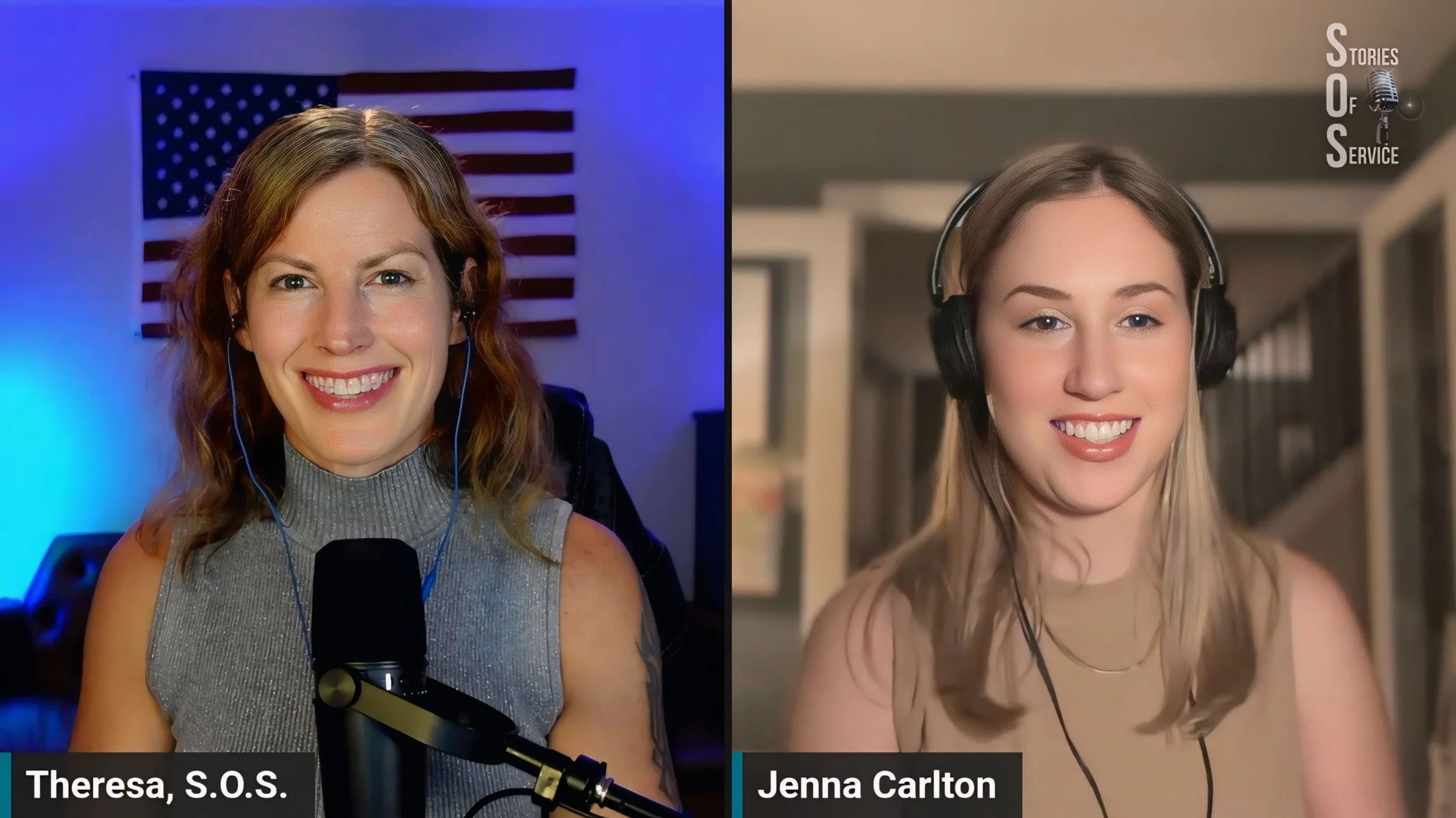
In an era where social media connects billions of people with a single click, many still struggle with loneliness, isolation, and a lack of meaningful connection. While digital platforms can create opportunities for support and community, they can also fuel division, outrage, and disconnection.
For Navy veteran and community builder Jenna Carlton, the challenge isn’t whether online communities are valuable—it’s how to transform those digital relationships into real-world support systems that help veterans thrive long after military service ends.
During a recent conversation on the Stories of Service podcast, Carlton shared her journey from small-town Wisconsin to military service, public policy work, and ultimately becoming the founder of The Millennial Veteran, one of the most influential online communities dedicated to younger veterans navigating life after the military.
From Small-Town Wisconsin to the U.S. Navy
Carlton grew up in Niagara, Wisconsin, a small town near the Michigan border. Looking for adventure and a path beyond her hometown, she followed the advice of her uncle, a Navy veteran who encouraged her to enlist.
The promise of travel and new experiences drew her to military service.
“I wanted to see the world,” she explained. “Growing up in the Midwest, the idea of being on a ship and traveling overseas sounded incredible.”
She joined the Navy as an Aerographer’s Mate, a military specialty focused on weather forecasting and environmental conditions. While the role wasn’t part of her original plan, it proved to be a valuable experience that exposed her to operational decision-making and the importance of teamwork.
Like many veterans, however, Carlton eventually reached a point where she began considering what came next. After completing four years of service, she chose to transition out of the military and pursue higher education.
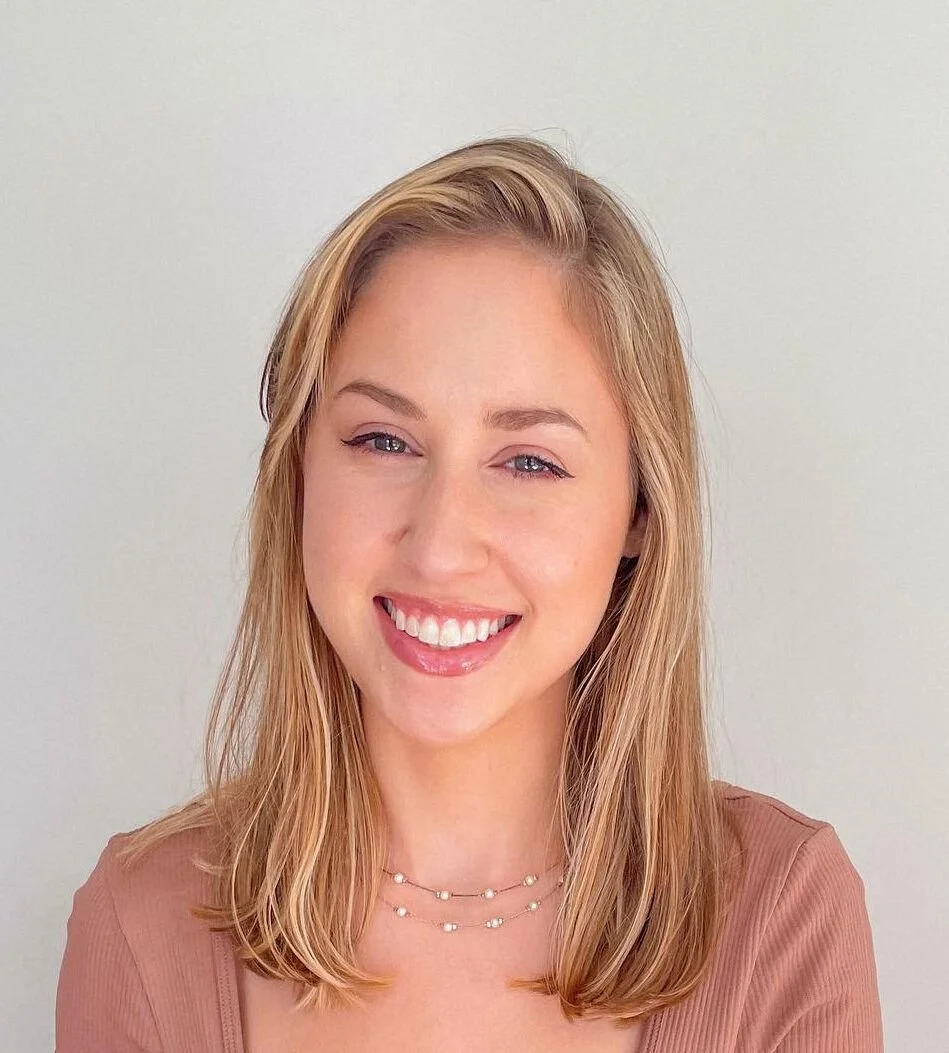
GUEST BIO: WHO IS JENNA CARLTON?
Jenna Carlton is a U.S. Navy veteran, community advocate, and founder of The Millennial Veteran, an online platform dedicated to helping younger veterans navigate life after military service. Drawing from her own transition experience, she has built a community focused on connection, personal growth, and peer support.
Beyond her work online, Carlton serves as a housing navigator for homeless veterans, helping individuals access housing resources and rebuild stability. She is also the author of The Veteran Workbook, a guided journal designed to encourage self-reflection and support veterans as they create purpose and structure in their civilian lives.
Discovering the Power of Veteran Identity
After leaving the Navy, Carlton studied political science and landed an internship with the U.S. House Committee on Veterans’ Affairs.
The experience gave her a firsthand look at how policy is developed and how veteran issues are addressed at the national level. But it also revealed something she hadn’t fully recognized before: the strength and credibility that comes with being a veteran.
She recalls veterans calling congressional offices seeking assistance and specifically requesting to speak with someone who had served.
Despite serving in a different era and under different circumstances, the shared experience of military service immediately created trust.
That realization became a turning point.
Carlton began to understand that veteran identity could be a powerful tool for building relationships, fostering understanding, and creating meaningful change.
Why Younger Veterans Needed Their Own Space
As she became more involved in veteran communities, Carlton noticed a gap.
Younger veterans often faced unique challenges, yet many didn’t feel represented in traditional veteran spaces. At the same time, statistics continued to show concerning rates of mental health struggles, isolation, and suicide among younger veterans.
Rather than waiting for someone else to address the issue, she decided to take action.
In 2020, she launched The Millennial Veteran, initially as a simple Facebook group created with the help of a few friends.
The concept was straightforward: create a welcoming space where younger veterans could ask questions, share experiences, and help one another navigate life after service.
Discussions ranged from using VA healthcare benefits and the GI Bill to managing careers, relationships, and personal growth.
What began as a grassroots effort quickly grew into a thriving community.
Leading Through Questions, Not Answers
One of the defining characteristics of Carlton’s approach is her emphasis on curiosity.
Rather than positioning herself as an expert with all the answers, she encourages conversation through thoughtful questions.
That approach has helped create an environment where veterans feel comfortable sharing experiences and seeking support without fear of judgment.
Her philosophy is simple: people often need someone willing to listen as much as they need advice.
By asking questions and encouraging reflection, she creates opportunities for veterans to discover their own solutions while learning from the experiences of others.
This style has become a hallmark of The Millennial Veteran community and a key reason many members continue to engage with it.
Navigating the Challenges of Social Media
While social media has enabled Carlton to reach thousands of veterans, she recognizes its limitations.
Algorithms often prioritize controversy and outrage because those emotions drive engagement. As a result, online discussions can quickly become polarized, even among people who share common goals.
Carlton believes veterans must resist that dynamic.
In her experience, many of the disagreements that appear intense online disappear when people meet face-to-face.
Veterans from different backgrounds, political viewpoints, and life experiences routinely sit together at local meetings, share meals, and work toward common objectives. Those interactions reveal how much common ground often exists beneath surface-level disagreements.
For Carlton, maintaining perspective is critical.
She emphasizes setting healthy boundaries with social media, prioritizing mental health, and remembering that online interactions represent only a small part of real-world relationships.
Turning Reflection Into Action
Another project born from Carlton’s commitment to helping veterans is The Veteran Workbook, a guided journal designed to help veterans process their experiences and build a meaningful post-service life.
The idea emerged from her long-standing personal habit of journaling.
Recognizing that many people find blank pages intimidating, she developed a structured workbook filled with prompts and reflective questions.
Rather than offering a one-size-fits-all solution, the workbook encourages veterans to think deeply about identity, purpose, relationships, goals, and personal growth.
Its accessible format reflects Carlton’s broader mission: providing practical tools that help veterans better understand themselves and navigate change.
WATCH FULL EPISODE HERE
Supporting Veterans Experiencing Homelessness
Today, Carlton’s commitment to service extends beyond online communities.
She works directly with homeless veterans as a housing navigator, helping individuals secure stable housing and reconnect with essential resources.
The role often involves working with landlords, advocating for veterans with difficult circumstances, and helping clients overcome barriers such as poor credit histories, past evictions, or other challenges.
The work can be emotionally demanding, but it reinforces an important lesson.
Many veterans facing hardship aren’t simply looking for someone to solve their problems. Often, they need someone willing to listen, understand their situation, and treat them with dignity.
That human connection can be just as valuable as any program or resource.
Creating Community That Lasts
At its core, Carlton’s work is about belonging.
Whether through social media, guided reflection, advocacy, or housing assistance, her focus remains consistent: helping veterans find connection, purpose, and support.
She believes meaningful change happens not only through large organizations or national policies but also through everyday interactions between people who care about one another.
As online platforms continue shaping how communities form, her approach offers an important reminder.
Technology can bring people together, but lasting connection requires empathy, curiosity, and a willingness to engage with others beyond the screen.
For veterans navigating the challenges of life after service, that sense of community can make all the difference.
Editor’s Note
In a digital world often dominated by noise, division, and endless scrolling, meaningful connection can feel increasingly difficult to find. Yet, as Jenna Carlton demonstrates, social media can also be a powerful tool for building communities rooted in support, understanding, and shared experiences. In this conversation, Carlton reflects on her military service, her work with veterans, and her mission to help others find purpose and belonging beyond the screen. Her story is a reminder that lasting impact often begins with simple acts of listening, curiosity, and service to others.
Learn More
👥 Connect with Stories of Service Podcast
Find Jenna: https://www.instagram.com/themillenni...
Veteran Workbook: https://a.co/d/00hfQH9k
The Millennial Veteran Facebook Group: https://www.facebook.com/share/g/14eZUBQEKvo/?mibextid=wwXIfr