Exposing Lies at NATO: One Officers Battle Against Corruption
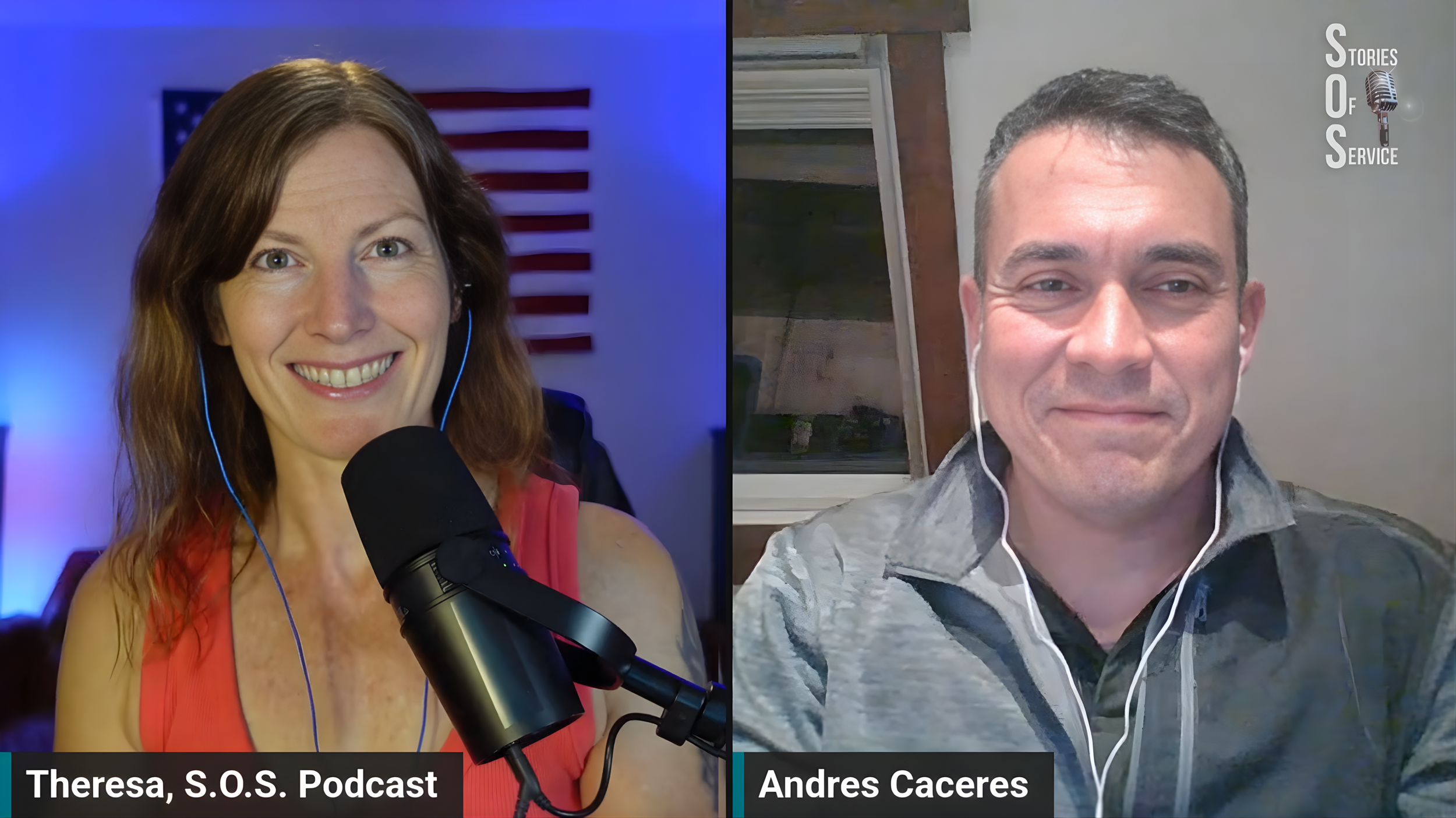
For years, I have shared stories about the unseen battles within our military—battles not fought on distant deserts or in mountain valleys, but inside headquarters, across conference tables, and within rigid chains of command. Today’s story takes us into a different arena: NATO.
Many U.S. service members will serve at a NATO command during their careers. On paper, NATO represents unity, cooperation, and cohesion among allies. In reality, there are challenges few talk about. My guest on the Stories of Service podcast, U.S. Marine Officer Andres Cáceres, experienced both the best and worst NATO had to offer. His story exposes systemic issues that mirror the very problems we often criticize within our own military. And yet, it is also a story of resilience, integrity, and an unwavering commitment to truth.
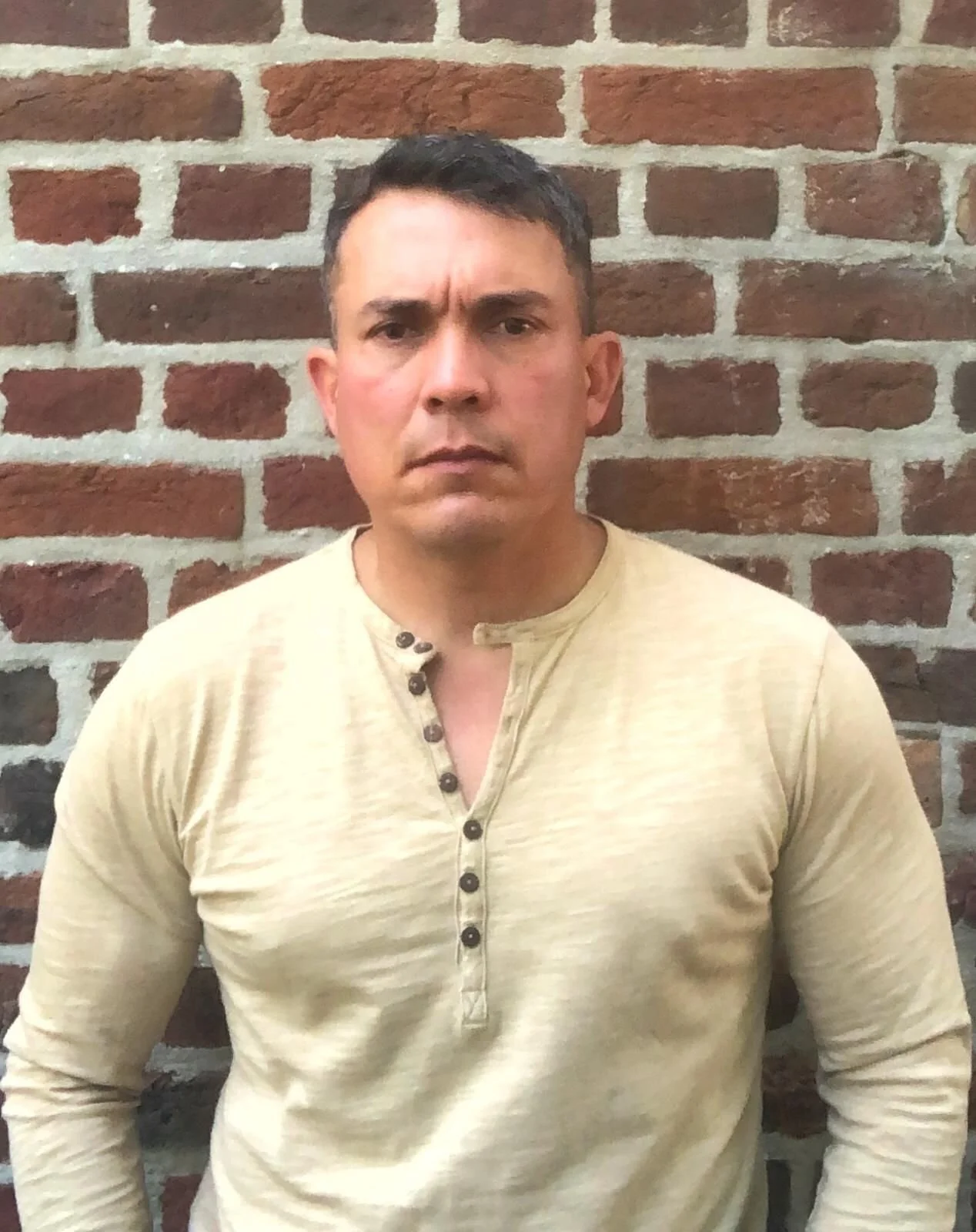
GUEST BIO: WHO IS ANDRES CACERES?
Andres Cáceres is a former U.S. Marine Corps officer and Foreign Area Officer whose career spanned deployments to Iraq, the Southern Philippines, and across the Indo-Pacific. Born in Lima, Peru and raised in Puerto Rico, he went on to serve in leadership roles around the world, including a pivotal assignment at NATO headquarters. A multilingual intelligence professional and graduate of the Naval Postgraduate School, Andres is the author of Criminal Negligence in Command, where he documents systemic failures and suppressed threat warnings inside NATO. Today he writes and speaks about military accountability, leadership, and global security.
A Journey That Began Long Before NATO
Andres was born in Lima, Peru, later emigrating legally with his family to the United States, where they settled in Puerto Rico. His mother, captivated by the sharp professionalism of U.S. Marines posted at embassies overseas, planted the early seeds of his service. That admiration stayed with him.
After college in New Hampshire—where he encountered his first winter and more lobsters than he’d ever imagined—he chose the Marine Corps route through Officer Candidate School. His early years took him to Yuma, Arizona, a place jokingly referred to as “the armpit of the Marine Corps,” where he encountered shocking lapses in discipline among senior leaders. But it was also where he witnessed true leadership for the first time.
A new battalion commander arrived, immediately held the entire unit accountable, and empowered Andres to enforce standards that had long deteriorated. With one battalion run and 70 names on a weight-control list, the commander restored discipline and pride. For Andres, it was a defining moment: the Marine Corps he had been taught to believe in really did exist—when leaders had the courage to lead.
From Officer to Foreign Area Officer (FAO)
Despite an early setback caused by the “buddy system”—a senior officer blocking his FAO application so a close friend could take the slot—Andres persevered. A gunnery sergeant encouraged him to come back stronger, and he did. What followed were years of deployments: Iraq, Southern Philippines, humanitarian missions, and extensive time across Southeast Asia.
These experiences shaped him into a rare hybrid of warrior and scholar. Fluent in multiple languages and driven by a deep intellectual curiosity, he eventually earned a slot as an Indonesian-specialized FAO. At the Defense Language Institute and Naval Postgraduate School, he completed a master’s degree, wrote a full thesis rather than taking the easier path, and became qualified in an impressive roster of languages—German, Spanish, Indonesian, Malay, and even Brazilian Portuguese.
Transformative Leadership in Japan
Before his first FAO assignment, Andres served as a commander in Iwakuni, Japan, where he inherited a unit riddled with nepotism, improper influence from spouses, and eroding discipline. Instead of punishing or lecturing, he implemented a simple, powerful system: the Commanding Officer’s Book Club.
He made corporals and sergeants read short chapters about real battlefield decision-making, then led discussions over meals in the chow hall. Marines quickly began holding each other accountable. Discipline problems plummeted.
To reinforce professionalism, he instituted a “colored-shirt on liberty” rule—a small change that had a big behavioral impact. Paired with team-building trips to nearby ski slopes and a culture of trust, the unit went 364 days without a single alcohol-related incident.
Leadership, as it turned out, was not about restrictions. It was about structure, investment, and treating Marines like human beings—not liabilities.
The NATO Years: Truth Against the Tide
In 2013, Andres began what should have been one of the most professionally rewarding tours of his career: an assignment to NATO headquarters in the Netherlands. This staff oversaw the U.S.-led mission in Afghanistan during a pivotal moment when Taliban forces were resurging, Afghan national forces were faltering, and geopolitical tensions simmered beneath the surface.
From the very start, Andres noticed mounting threats—threats that would later become global headlines. He repeatedly warned of:
Growing Taliban strength
Weakness within the Afghan National Army
The emergence of ISIS
Early signs of Russian aggression prior to the 2014 invasion of Ukraine
But instead of presenting his analysis to senior leaders, his superiors shut him down. He was told to stop briefing certain topics. His point papers and reports were destroyed. The message was clear: don’t rock the boat.
When he gathered evidence to defend the accuracy of his assessments, retaliation followed. Accusations materialized—disobeying orders, dereliction of duty, even sexual harassment. Though he knew the allegations were false, fighting them meant navigating a system that seemed determined to silence him.
His security clearance was stripped. He was barred from the building. A senior officer accused him of threatening her—an allegation he maintains was fabricated. At a Board of Inquiry, he says two senior officers lied under oath. Meanwhile, he later discovered altered medical records and fictitious appointments added to his file.
One board member voted in his favor—but the system had already decided his fate.
His book, Criminal Negligence in Command, documents everything, including original evidence.
WATCH FULL EPISODE HERE
Why His Story Matters
Stories like Andres’s rarely see daylight. Many service members—American and allied—serve at NATO headquarters believing it to be a beacon of military unity. But like any large institution, NATO can mirror the dysfunctions of its strongest members. When the U.S. military suppresses uncomfortable truths, allies often follow suit.
Andres’s experience illustrates the cost of telling the truth when it contradicts preferred narratives. His life was upended not by enemy forces, but by leaders who refused to confront reality.
Yet his integrity remained unshaken.
A Legacy of Service, Honesty, and Courage
From Peru to Puerto Rico, from Iraq to Japan, and finally to the halls of NATO, Andres Cáceres built a career defined by devotion to Marines, intellectual rigor, and an unwavering commitment to honesty. His leadership transformed units, his analysis identified threats before they erupted, and his courage forced conversations that others avoided.
The cost to him was steep. But his story stands as a powerful reminder:
Sometimes the greatest act of service is telling the truth—especially when people don’t want to hear it.
Learn More:
👉 His book - https://www.amazon.com/Criminal-Negli...
👥 Connect with Stories of Service Podcast