From Trauma to Power: How an Infantry Officer Rebuilt Her Mind and Body with Riley A. Gruppo
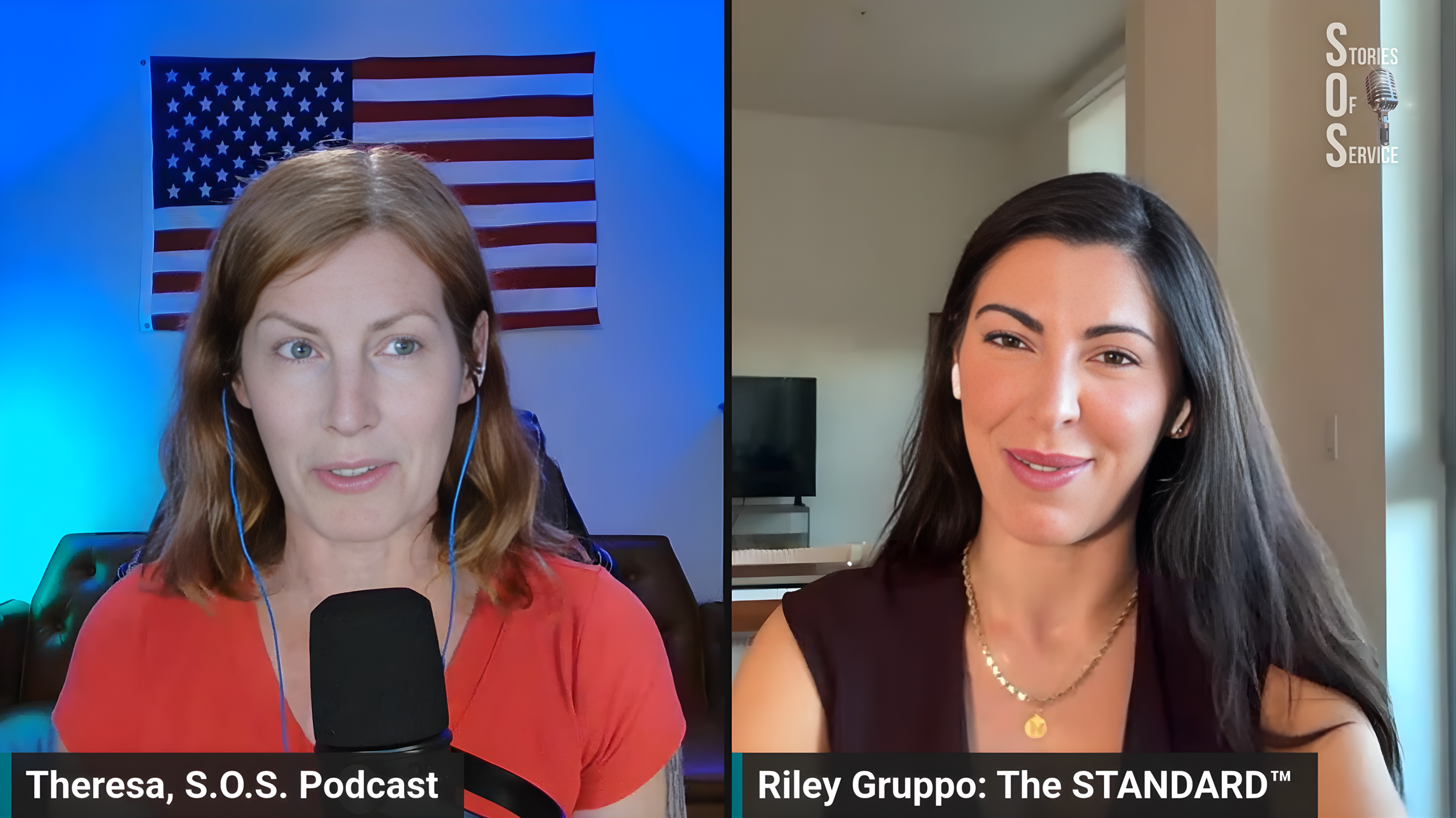
Few topics in today’s military discourse spark as much debate as the role of women in combat. It’s a conversation often framed in extremes—either full inclusion without question or outright rejection based on tradition. But as more women step into combat arms roles, the reality becomes far more nuanced.
In a recent Stories of Service podcast episode, host Theresa Carpenter sat down with Riley, a combat arms officer, athlete, and leader who has lived this experience firsthand. Her story offers a grounded, real-world perspective—one that cuts through political noise and gets to the heart of what it actually means to serve in these roles.
A Path Forged Through Challenge
Riley’s journey into the military wasn’t accidental. Born into a military family and raised across different parts of the country, she grew up immersed in a culture of service. But beyond tradition, she was driven by something more personal—a desire to prove capability, not just for herself, but for other women watching from the sidelines.
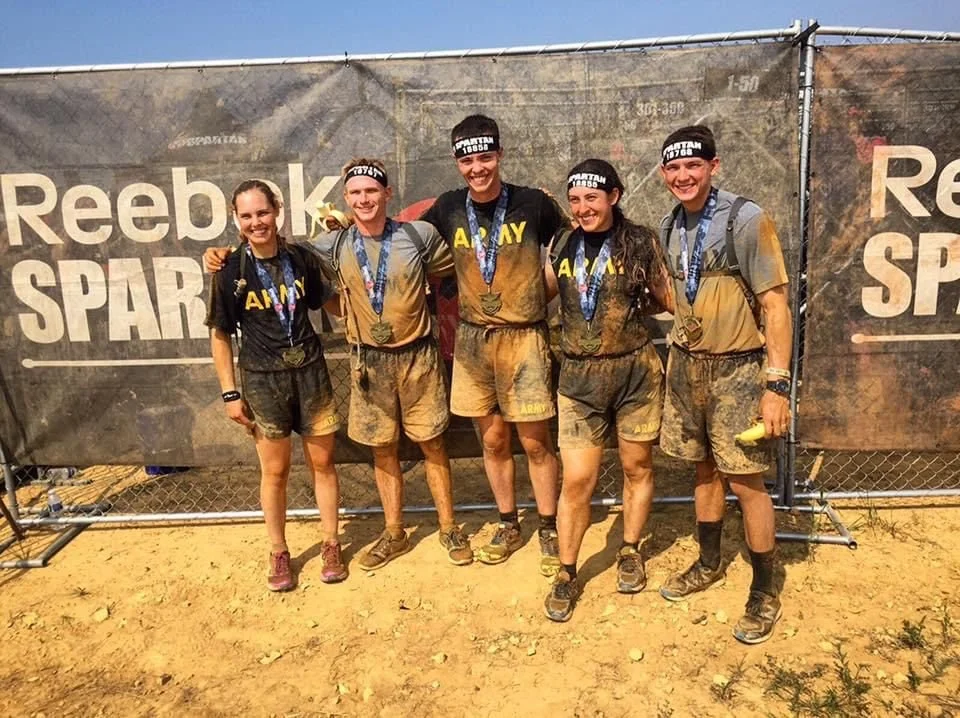
Athletics played a major role in shaping her mindset. Wrestling, MMA, and intense physical training prepared her for environments where she was often the only woman in the room. In many ways, those early experiences mirrored what she would later face in the military: high expectations, physical demands, and constant scrutiny.
When she entered the Army, she didn’t just aim to participate—she aimed to compete at the highest level.

GUEST BIO: WHO IS RILEY GRUPPO?
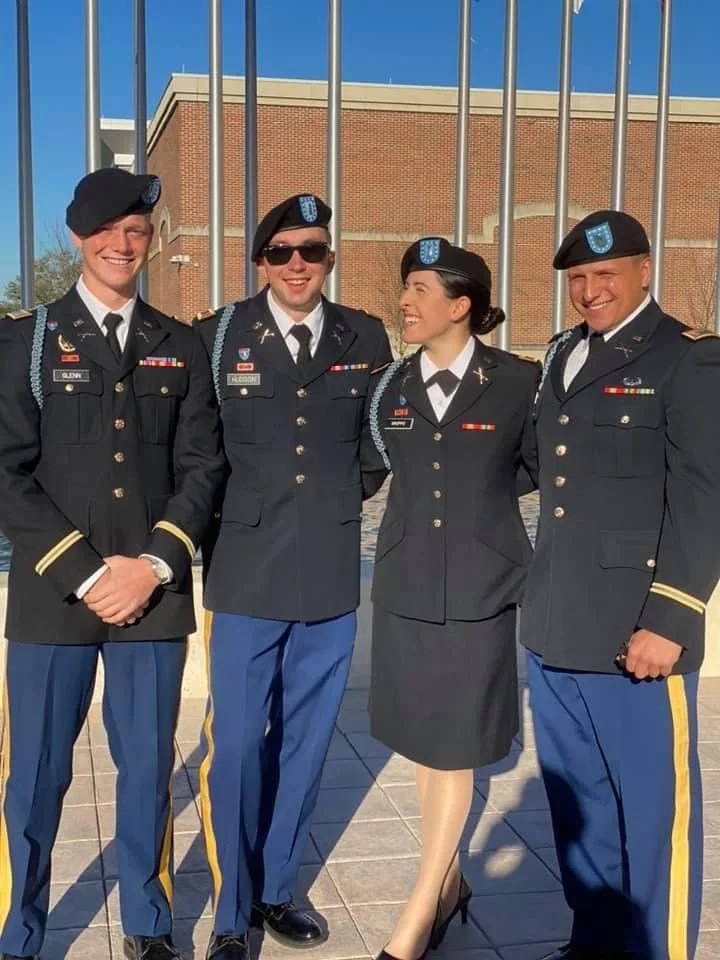
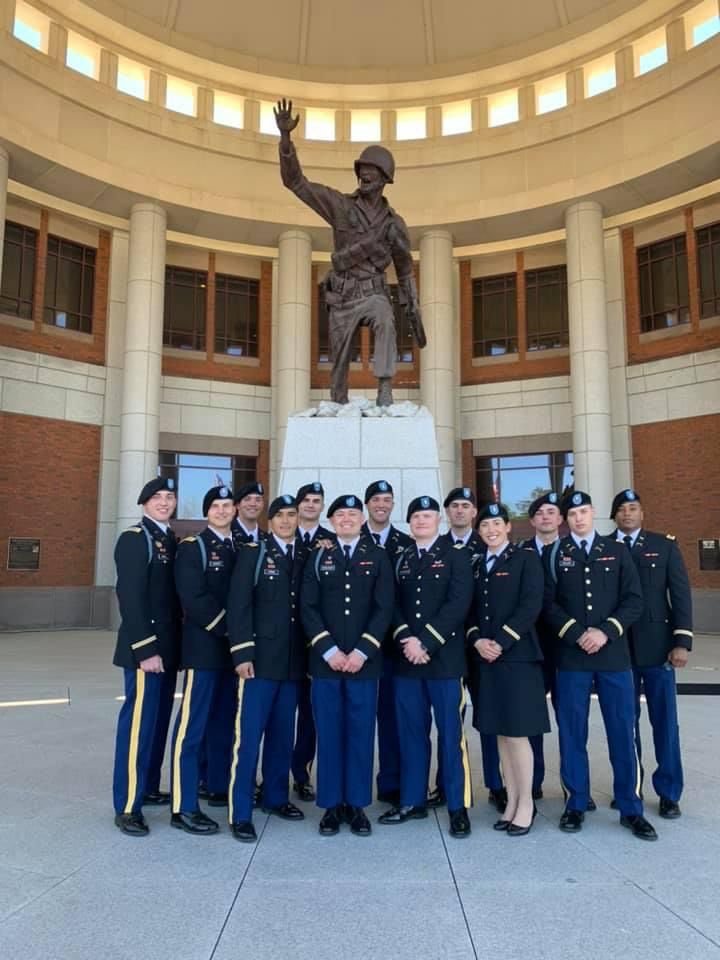
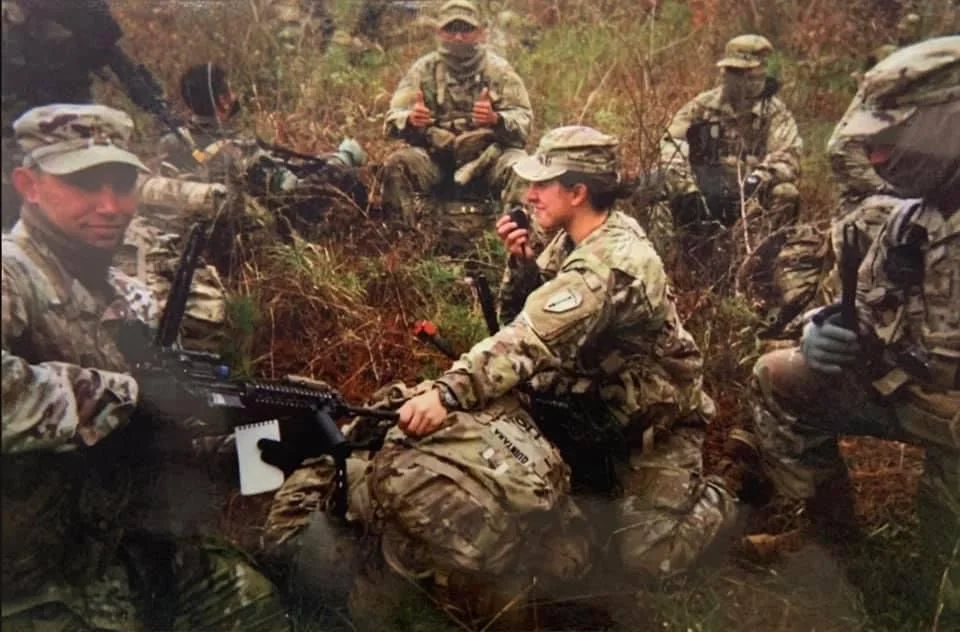
Riley Gruppo is a U.S. Army officer, combat arms leader, and performance coach dedicated to developing high-performing individuals and teams. During her military service, she led soldiers in demanding, high-pressure environments and was among a small percentage of women to complete infantry leadership training, operating in roles historically closed to women.
Her experience in the military exposed her to both the highest standards of leadership and the systemic challenges that can impact service members, including issues surrounding accountability, culture, and performance. After sustaining a traumatic brain injury (TBI), Riley began a personal and professional transformation that reshaped her approach to leadership, resilience, and long-term performance.
She is the founder of The Standard, a performance and leadership framework built on the principles of mind, body, and mission. Through her work, she helps veterans, leaders, and high achievers close the gap between potential and execution while fostering discipline, clarity, and purpose.
Riley is a strong advocate for honest, nonpartisan conversations around military service, leadership, and the evolving role of women in combat. Her work is grounded in real-world experience and a commitment to raising standards while supporting those who serve.
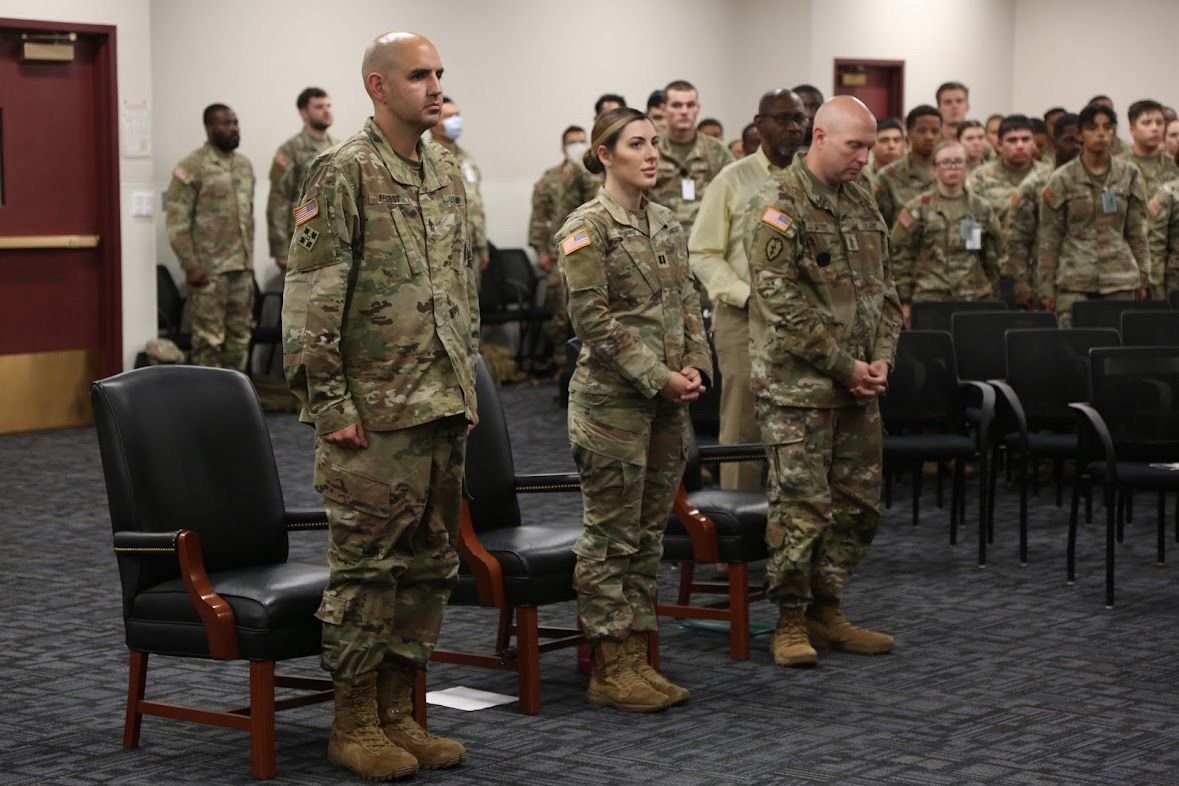
The Reality Behind the Uniform
While public conversations often focus on whether women can serve in combat roles, Riley’s experience highlights a different question: what happens once they’re there?
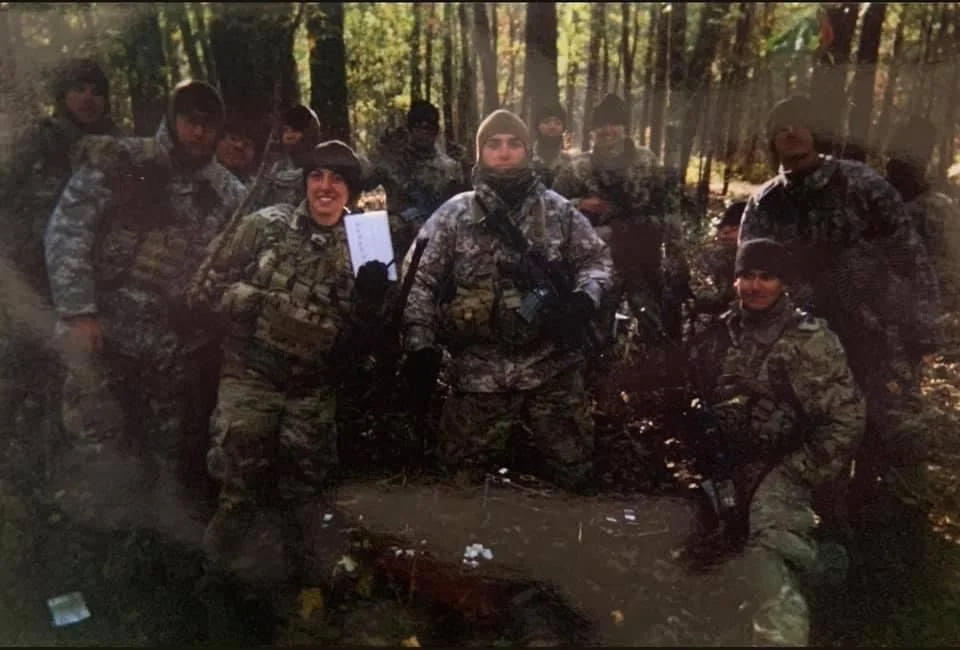
Before even reaching formal infantry training, she encountered significant challenges—many of them unrelated to physical performance. Harassment, inappropriate behavior, and a lack of leadership accountability created an environment where simply existing as a woman in that space became an added burden.
These weren’t isolated incidents. They reflected deeper cultural and systemic issues—ones that many service members, both male and female, recognize but rarely discuss openly.
Ironically, when Riley finally entered official infantry training, she described it as a “breath of fresh air.” Among peers focused on shared objectives and performance, she experienced something closer to what the military ideally represents: teamwork, mutual respect, and merit-based evaluation.
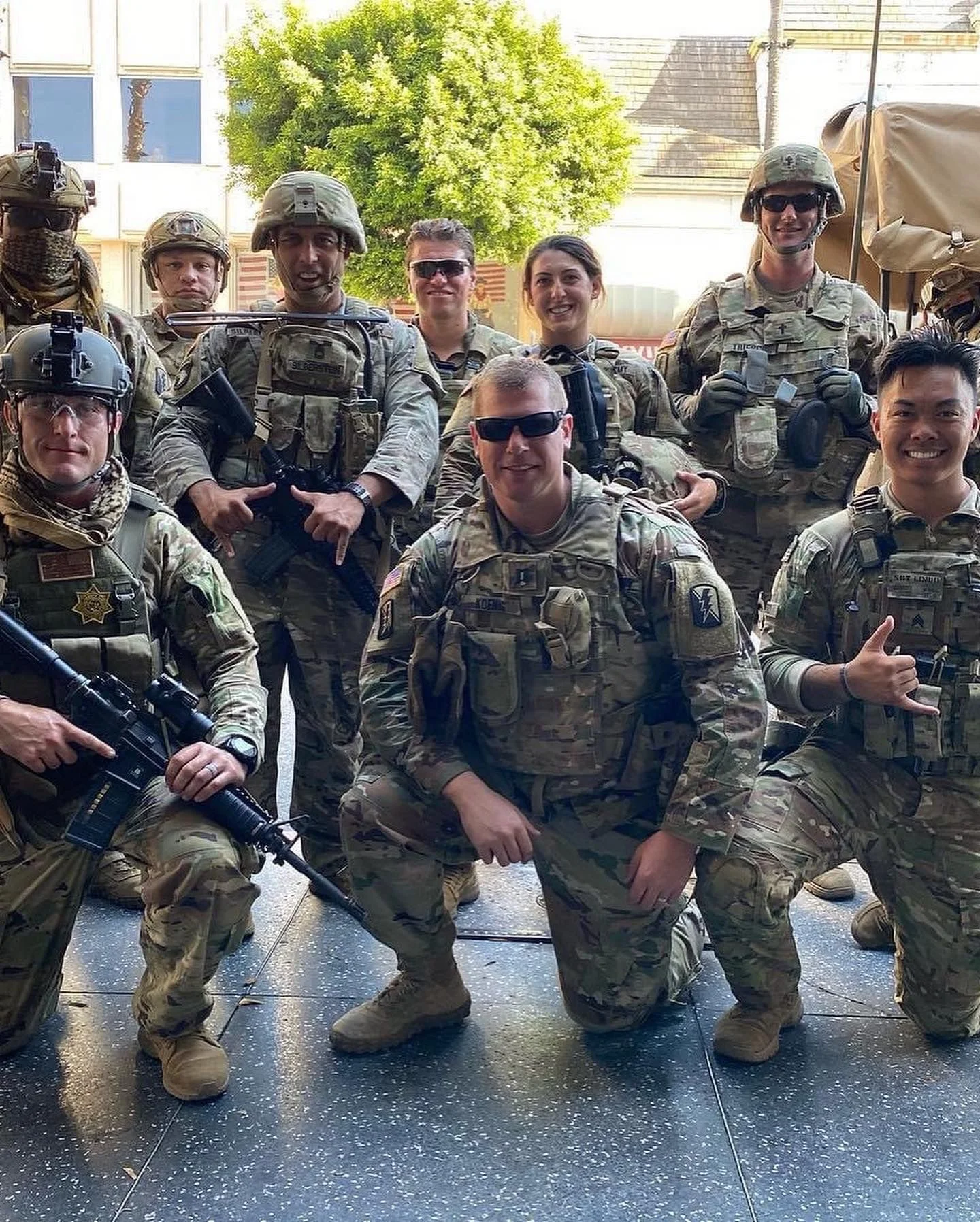
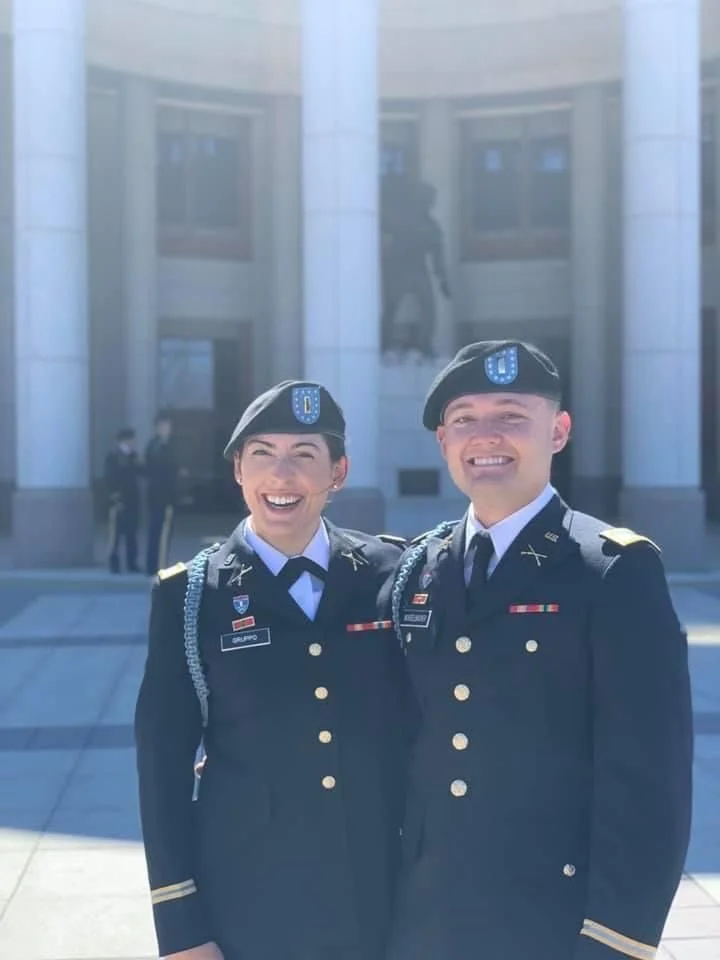
Do Women Meet the Standard?
One of the most common arguments in this debate centers on standards. Are they lowered? Are women given special treatment?
Riley’s answer is direct: no.
In her experience, standards were not reduced. If anything, the pressure to perform was higher. Women in these roles often feel an unspoken expectation to prove not only their own capability but also justify the presence of women as a whole.
Physically, she acknowledged that the demands are real—but also emphasized an important point: not all men meet those standards either. Performance varies across individuals, not just gender.
She even recalled instances where she outperformed male counterparts in physically demanding events, reinforcing the idea that capability should be measured individually—not assumed.
The Gear Problem No One Talks About
While the standards debate dominates headlines, another issue quietly persists: equipment.
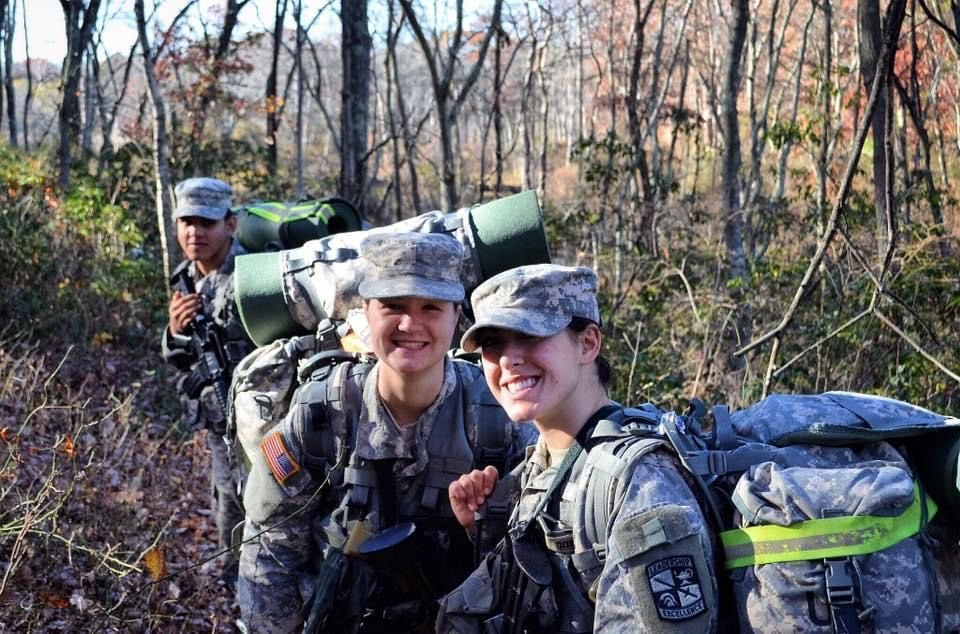
Military gear—from rucksacks to body armor—is largely designed around male body types. For women, this can lead to poor fit, increased strain, and a higher risk of injury over time.
Riley pointed out the contradiction clearly: if the military is committed to integrating women into combat roles, then it has a responsibility to equip them properly.
This isn’t about lowering standards—it’s about ensuring that those who meet them aren’t set up for preventable failure.
Given the scale of military funding, the lack of investment in properly fitted gear raises valid questions. If inclusion is a priority, infrastructure should reflect it.
The Culture and Leadership Factor
Perhaps the most critical takeaway from Riley’s experience is that the biggest challenges aren’t always physical—they’re cultural.
Environments with strong, accountable leadership tend to minimize issues like harassment and misconduct. In contrast, units with poor leadership often allow those problems to persist or go unaddressed.
This isn’t unique to women in combat—it’s a broader leadership issue within organizations. But in high-stakes environments like the military, the consequences are amplified.
Fixing this doesn’t require new slogans or surface-level training. It requires a functional system of accountability—one where complaints are handled fairly, leadership is held responsible, and standards apply to everyone.
The Long-Term Question: Sustainability
Even among those who support women in combat roles, one question remains: sustainability.
Can the body—male or female—handle the long-term physical demands of these positions without significant wear and tear?
Riley’s answer is honest: the toll is real.
But again, it’s not exclusive to women. Many men in combat roles also experience chronic injuries over time. The difference lies in how those risks are understood, mitigated, and managed.
Rather than framing the issue as “men vs. women,” the more productive question may be: how can the military better protect all service members in physically demanding roles?
WATCH FULL EPISODE HERE
Moving Beyond Extremes
What makes this conversation difficult is the tendency to view it through a binary lens.
On one side, there are those who argue that women should not be in combat roles at all. On the other, those who insist there are no meaningful differences or challenges.
Riley’s experience suggests that the truth lies somewhere in between.
Yes, women can meet and exceed standards.
Yes, there are physical and structural challenges that need to be addressed.
And yes, culture and leadership play a decisive role in determining success.
Acknowledging all three doesn’t weaken the argument—it strengthens it.
A Conversation Worth Having
At its core, this isn’t just a debate about policy—it’s a conversation about people.
It’s about individuals who volunteer to serve, take on risk, and operate in environments where performance matters. It’s also about ensuring that the systems around them—training, leadership, equipment—are aligned with reality.
Riley’s story doesn’t offer easy answers, but it does something more valuable: it brings clarity.
By moving beyond assumptions and focusing on lived experience, the conversation around women in combat can evolve into something more productive—less about ideology, and more about effectiveness, fairness, and readiness.
Because in the end, the goal isn’t to win an argument.
It’s to build a military that works—for everyone who serves.
Editor’s Note
This blog is based on a candid and thought-provoking conversation from the Stories of Service podcast, featuring Riley Gruppo. Her perspective reflects personal experience shaped by service in a demanding combat arms environment, as well as the challenges she faced both within and beyond the military.
The topics explored—including women in combat roles, leadership accountability, military culture, and performance standards—are complex and often debated. This piece aims to present those realities through lived experience rather than ideology, encouraging thoughtful dialogue grounded in respect and understanding.
Riley’s story is one of resilience, growth, and a continued commitment to service. As with all Stories of Service features, the goal is to highlight real voices, elevate meaningful conversations, and inspire readers to consider the human dimension behind military service and leadership.
Learn More
👥 Connect with Stories of Service Podcast
More on Riley - https://www.instagram.com/rileygruppo...