Inside the VA: Former Secretary Dr. David Shulkin on Leadership, Politics, and Fighting for Veterans
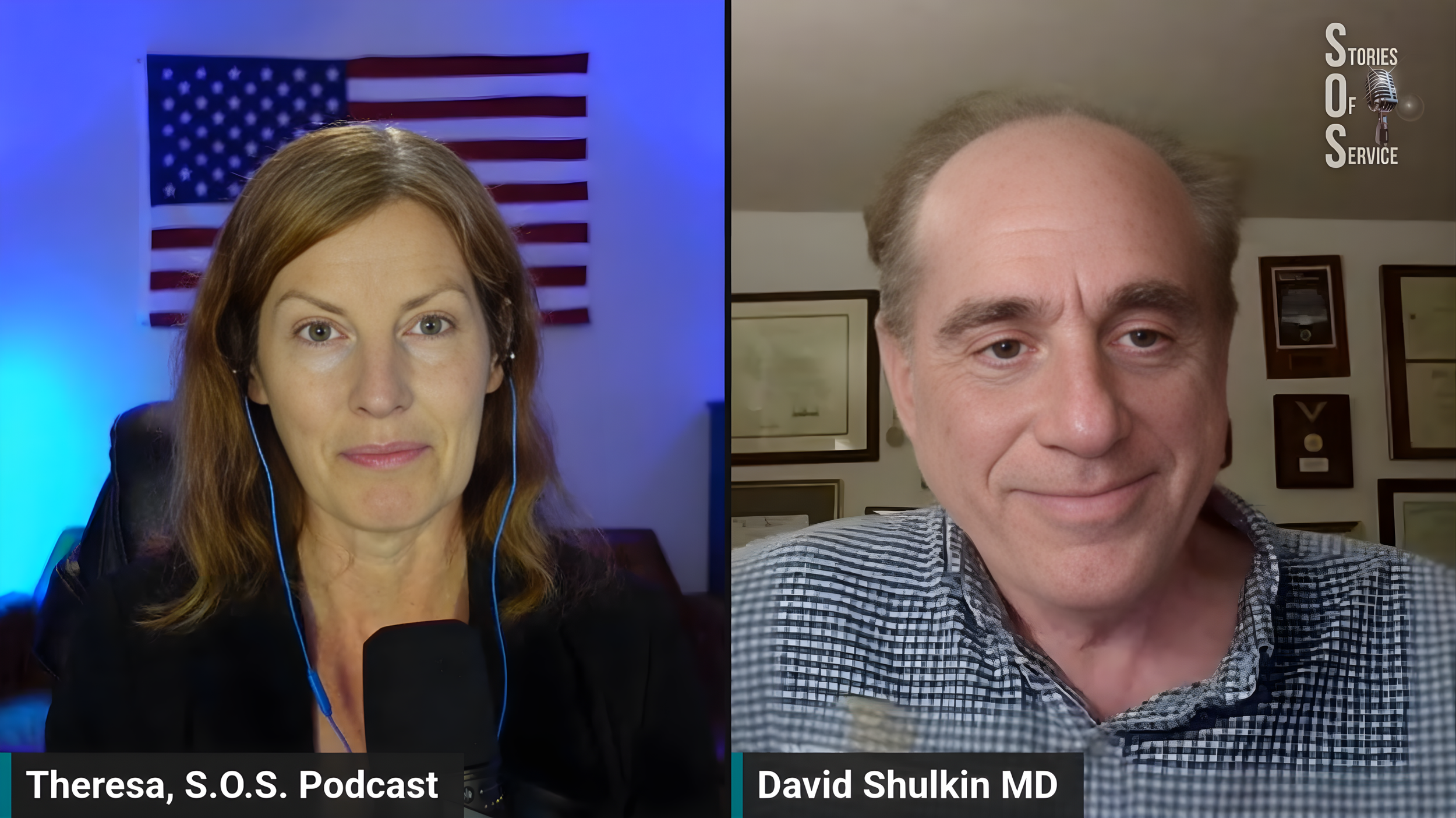
What does it really mean to be responsible for the care of millions?
Not in theory—but in practice. Not in a single hospital—but across a nationwide system. Not with abstract policies—but with decisions that affect real lives every single day.
That’s the weight carried by Dr. David J. Shulkin, the ninth Secretary of the U.S. Department of Veterans Affairs (VA). His journey into one of the most complex leadership roles in government offers a rare window into what it takes to lead at scale, navigate crisis, and stay grounded in mission when the stakes couldn’t be higher.
An Unexpected Call to Serve
Dr. Shulkin didn’t set out to build a career in government. A physician by training and a healthcare executive by profession, he spent years leading major hospital systems in the private sector. His focus was simple: improve care, strengthen systems, and serve communities.
That trajectory changed with a single conversation.
While attending a conference in Washington, D.C., Shulkin was asked a question that would alter his path: Do you have any regrets? At the time, the VA was in the middle of a national crisis—veterans were facing dangerous delays in accessing care, and public trust in the system was eroding.
His answer was honest. He wished he could do something to help.
Within hours, that sentiment turned into action. A call from the White House followed, initiating a rigorous vetting process that ultimately led to his appointment as Under Secretary of Health under President Obama. Later, he would go on to serve as Secretary of Veterans Affairs under President Trump—an uncommon bipartisan trajectory that reflected his reputation as a mission-first leader.
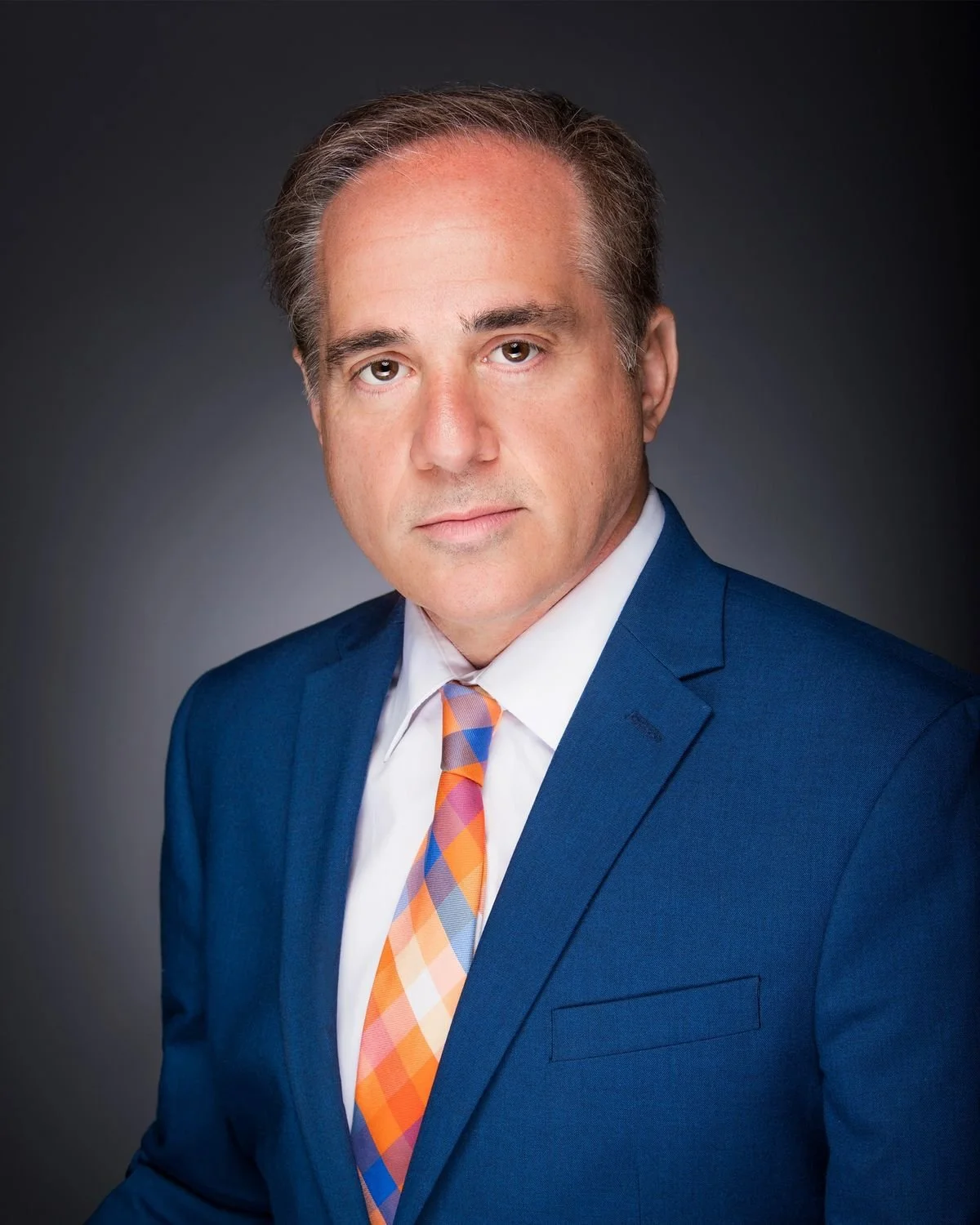
GUEST BIO: WHO IS DR. SAVID J. SHULKIN?
Dr. David J. Shulkin is a physician, healthcare executive, and former U.S. Secretary of Veterans Affairs. As the 9th Secretary of the VA, he led one of the nation’s largest healthcare systems, serving more than 9 million veterans across 1,200+ facilities. Prior to his cabinet role, he served as Under Secretary for Health under President Barack Obama, earning unanimous Senate confirmation and a reputation for nonpartisan leadership.
Before entering government, Dr. Shulkin spent decades leading major hospital systems, including Morristown Medical Center and Beth Israel Medical Center, where he focused on improving patient care, operational efficiency, and access to services. Throughout his career, he has been known for bridging clinical insight with executive leadership.
Today, Dr. Shulkin is a nationally recognized voice on healthcare policy, veterans’ care, and leadership in complex systems. He is also an author and speaker, offering insights on reform, accountability, and the future of American healthcare.
A System Under Pressure
When Shulkin entered the VA, the challenges were immediate and urgent. The system was overwhelmed. Veterans from Iraq and Afghanistan were returning with complex injuries, while aging Vietnam veterans required increasing levels of care. At the same time, long wait times were putting lives at risk.
For Shulkin, the priority was clear: access to care.
Rather than approaching the problem through prolonged deliberation, he adopted a decisive leadership style. Fixing wait times wasn’t treated as one priority among many—it became the priority. There would be no delays, no excuses, and no acceptance of a system that allowed veterans to fall through the cracks.
This approach required more than policy changes. It demanded cultural alignment. Shulkin made it clear to the workforce that he would take the risk personally if changes failed—but that action was non-negotiable. That clarity created momentum, and over time, the VA was able to address one of its most pressing issues.
Leadership Inside a Complex System
One of the most revealing aspects of Shulkin’s experience was how different government leadership felt compared to the private sector.
In many ways, it was counterintuitive.
Some challenges he expected to be difficult turned out to be manageable, while others proved far more complicated. Success required adapting quickly and letting go of assumptions formed in traditional healthcare environments.
His philosophy was rooted in visibility and firsthand understanding. Rather than relying solely on reports and briefings, Shulkin returned to a practice he had followed throughout his career—seeing patients directly.
That decision led to a defining moment early in his tenure.
The Patient Who Changed Perspective
During one of his first visits to a VA facility, Shulkin treated a Vietnam veteran facing multiple challenges: physical disabilities, mental health struggles, and substance use issues. The interaction was difficult, marked by frustration and volatility.
In a private healthcare setting, that patient might have been referred elsewhere or removed from care. But in the VA, the response was different.
“These are our patients,” a staff member told him. “If we don’t treat them, who will?”
That moment reshaped his understanding of the VA’s purpose. It wasn’t just another healthcare system—it was a safety net designed for those who often couldn’t be served effectively elsewhere. The mission extended beyond standard care to include complex, long-term, and deeply human challenges.
The Debate Over Privatization
This realization played a critical role in one of the most debated issues during his tenure: whether the VA should be privatized.
At first, Shulkin was open to the idea. Coming from the private sector, he understood its efficiencies and capabilities. But after seeing the unique needs of veterans and the specialized care the VA provided, his perspective shifted.
He recognized that a fully privatized system would leave gaps—particularly for veterans with complex physical and mental health needs. The private sector, while highly capable, was not structured to handle every aspect of veteran care.
Instead, he advocated for a hybrid model.
In this approach, the VA would focus on areas where it had unmatched expertise—such as rehabilitation, prosthetics, and behavioral health—while leveraging private sector resources to expand access where needed. The goal wasn’t to replace one system with another, but to combine strengths in a way that best served veterans.
Navigating Politics Without Losing Focus
One of the most challenging aspects of Shulkin’s role wasn’t operational—it was political.
Despite serving under two administrations from different parties, he maintained a consistent approach: focus on what’s right for veterans, not what aligns with a political agenda. That stance earned him unanimous Senate confirmation but also placed him in a difficult position.
Operating in the political center can be isolating. Without strict alignment to one side, leaders often lack consistent allies. Yet for Shulkin, staying grounded in principle was essential to maintaining integrity in decision-making.
WATCH FULL EPISODE HERE
The Challenge of Political Appointments
Another layer of complexity came from the structure of government itself. With thousands of political appointees across federal agencies, leadership teams are often shaped not just by expertise, but by political considerations.
Shulkin acknowledges that trust and competence are critical in building effective teams. While it’s natural for leaders to surround themselves with trusted individuals, balancing loyalty with capability is essential—especially in organizations as complex as the VA.
In hindsight, he reflects that being more selective in building his leadership team could have strengthened his ability to execute his vision.
Lessons in Leadership
Dr. Shulkin’s experience offers several key takeaways for leaders in any field:
Mission clarity matters. When priorities are clear and non-negotiable, organizations can move faster and more effectively.
Leadership requires risk. Meaningful change often involves personal and professional risk—and a willingness to accept it.
Culture drives outcomes. Systems improve when people understand not just what to do, but why it matters.
Firsthand insight is invaluable. Real understanding comes from direct experience, not just data.
Balance is difficult—but necessary. Especially in complex environments, solutions often require blending different approaches rather than choosing extremes.
A Mission That Never Ends
At its core, the VA’s mission is simple: care for those who served.
But executing that mission is anything but simple. It requires navigating scale, complexity, politics, and human need—all at once. Dr. Shulkin’s tenure highlights both the challenges and the possibilities of that responsibility.
Leadership at that level isn’t about perfection. It’s about commitment—showing up, making decisions, and staying focused on the people who depend on the system to work.
Because for millions of veterans, it’s not just policy.
It’s personal.
Editor’s Note
This conversation offers a rare, behind-the-scenes look at leadership at the highest levels of government and healthcare. Dr. David J. Shulkin brings a perspective shaped not only by policy, but by firsthand experience treating patients and leading complex systems that impact millions of lives.
What stands out most is the tension between mission and machinery—the challenge of delivering timely, high-quality care to veterans while navigating bureaucracy, political pressure, and institutional resistance. This discussion doesn’t lean into partisanship; instead, it centers on responsibility, accountability, and the human cost of leadership decisions made at scale.
At its core, this is a conversation about service—what it means to step forward when the stakes are high, and how real change often requires both conviction and the willingness to take personal risk. For anyone interested in leadership, public service, or the future of veteran care, this dialogue provides valuable insight into the realities behind the role.