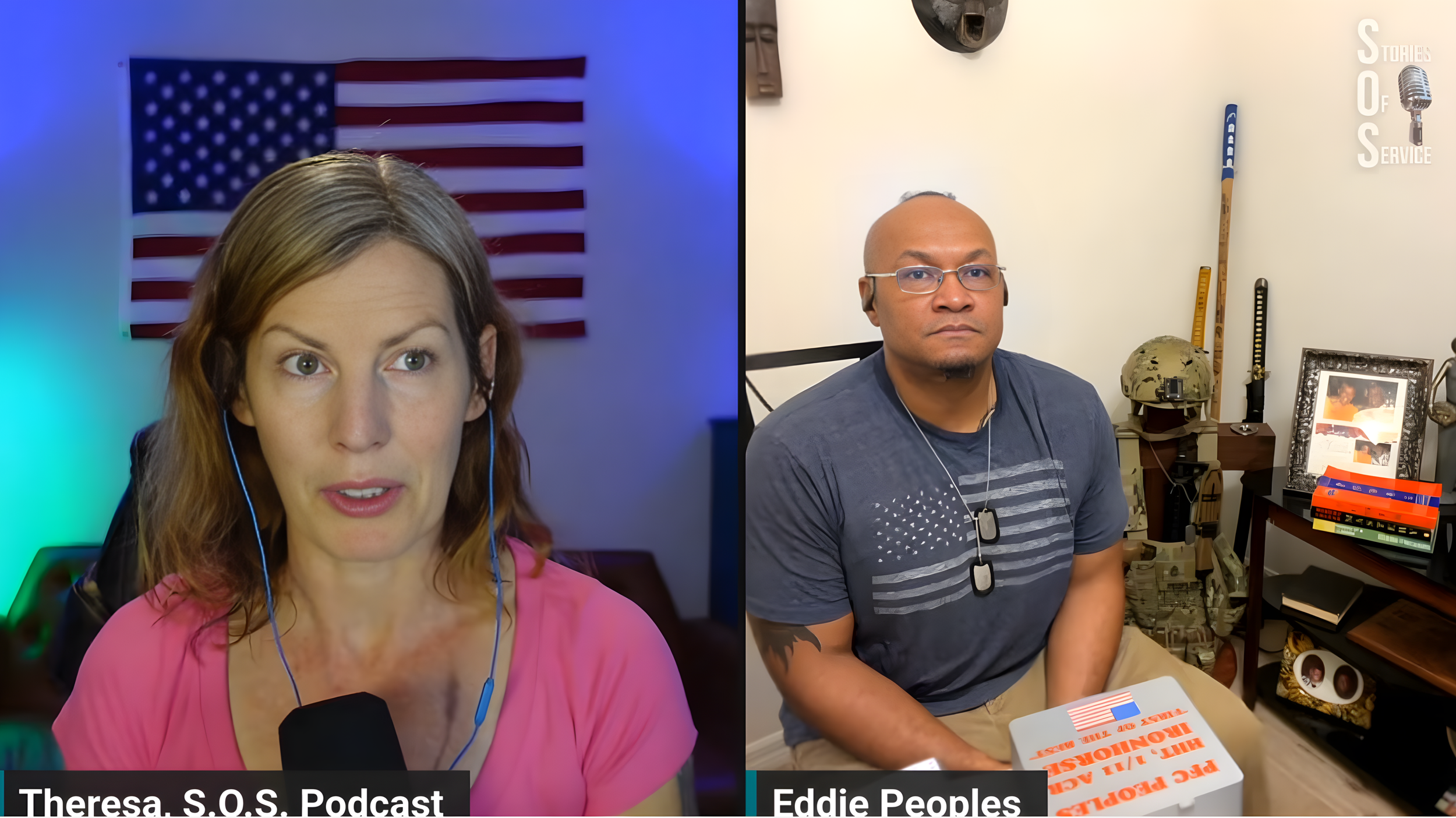
There are some issues most people assume they understand.
Organ donation is one of them.
For decades, the conversation around organ donation has been framed in almost entirely positive terms. It’s called the gift of life—a selfless act that can save multiple people when tragedy strikes. For many families, that framing is powerful and meaningful.
But like many complex medical and ethical issues, the reality is more complicated than most people realize.
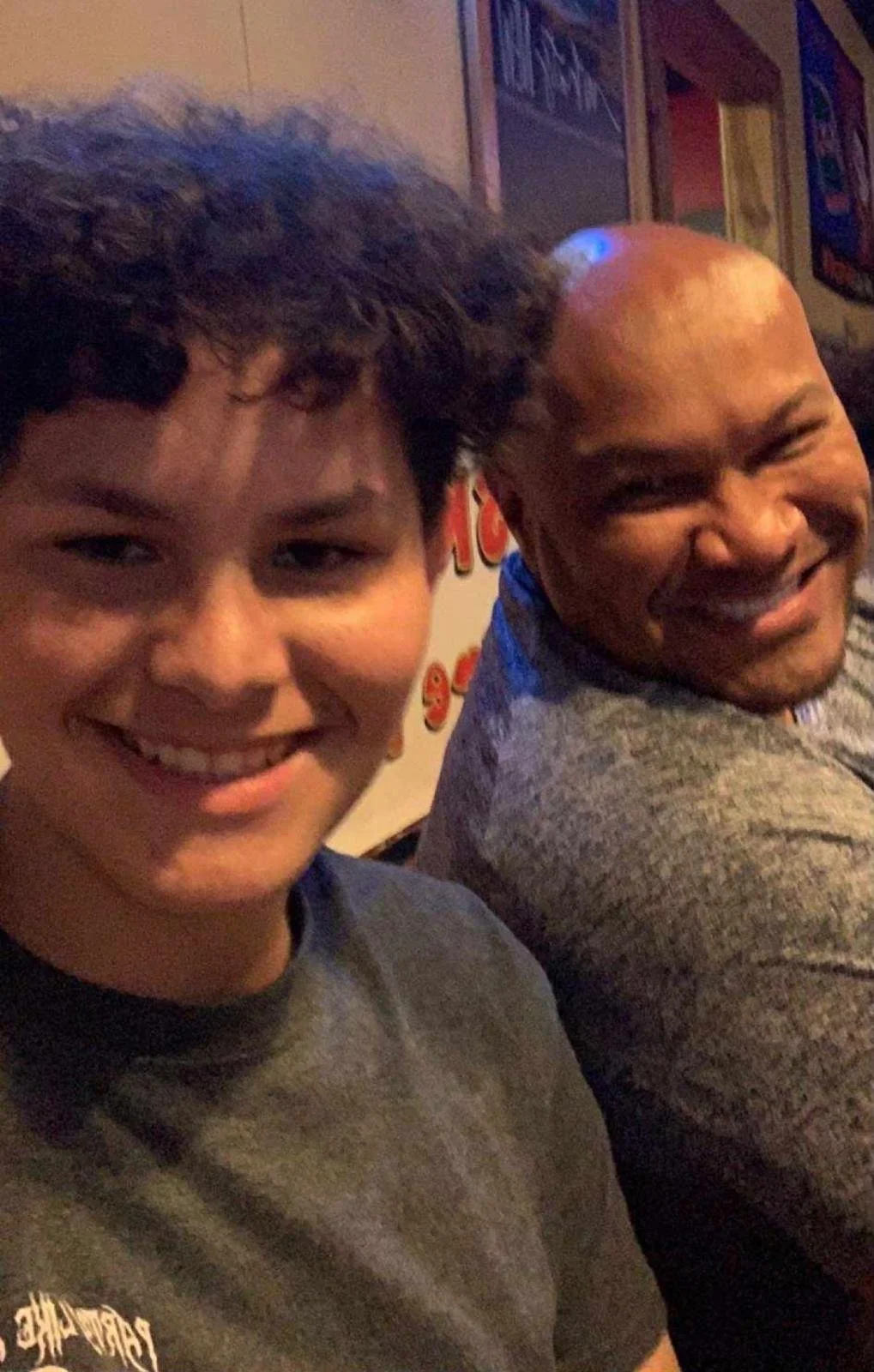
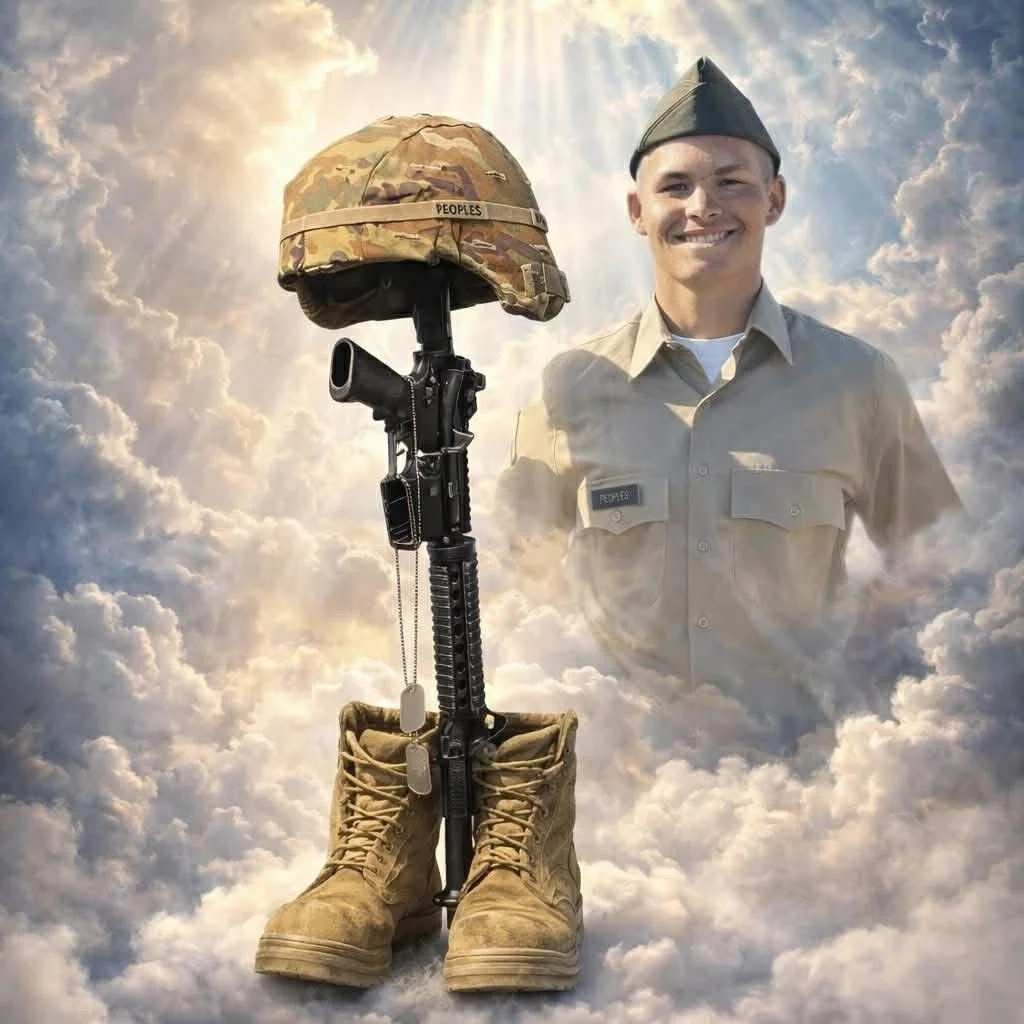
For Army veteran Eddie Peoples, those complexities became painfully real after a devastating accident involving his son, Private Kioni Peoples.
What followed was not just the loss of a child—but a series of events that left a family questioning how decisions were made during the most critical moments of their lives.
A Son Following His Father’s Path
Eddie Peoples spent 24 years in the U.S. Army. As an 88N transportation management specialist, his job was simple in description but massive in scope: moving troops, equipment, and supplies across the world.
Later in his career he became an instructor and even served as the “mayor” of a remote U.S. military installation in Jordan. After retiring in November 2024, he chose to live overseas in the Philippines.
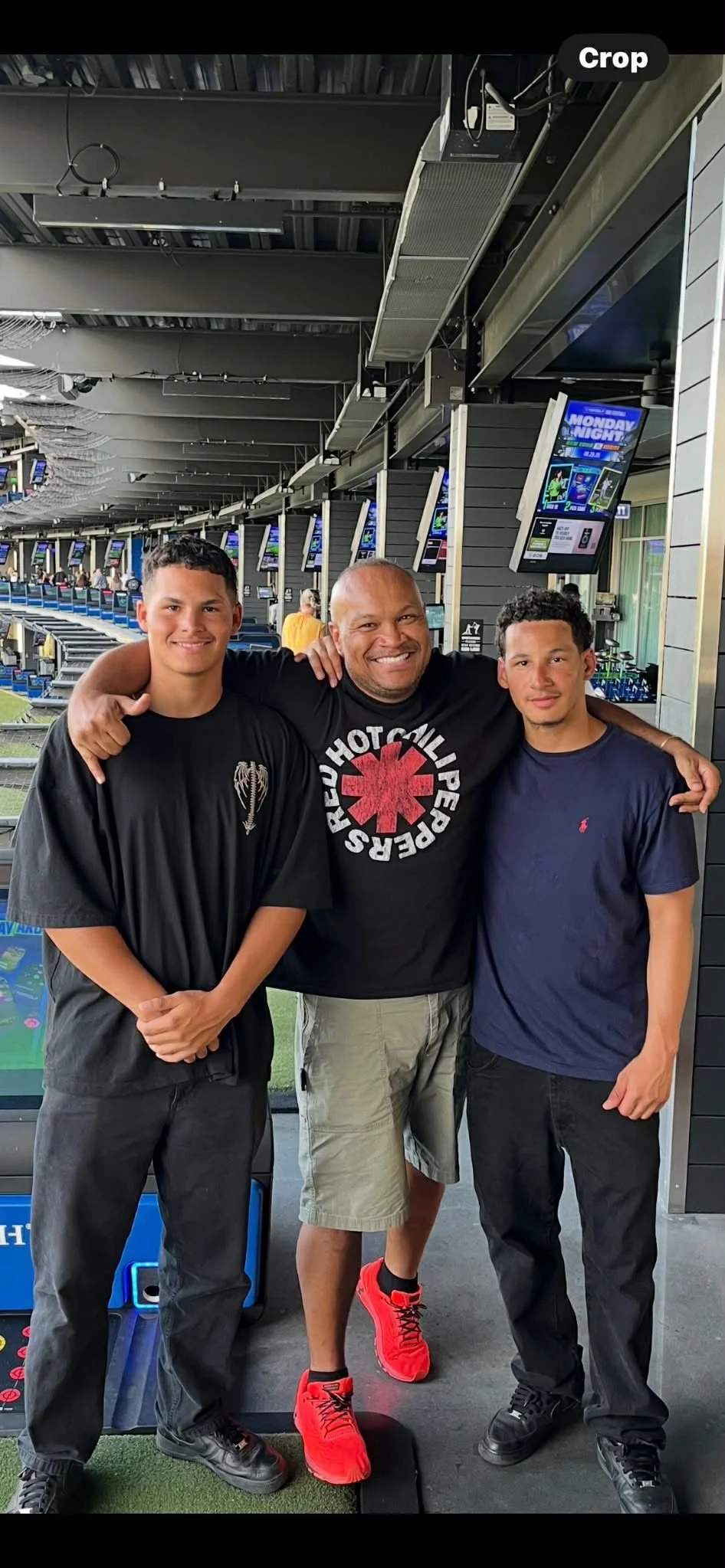
His son Kioni followed the same path.
Only a few months after Eddie retired, Kioni enlisted in the Army in February 2025. According to his father, he loved the military immediately. They spoke often despite the distance, sharing updates and photos through family group chats.
Kioni wasn’t just another soldier—he was a young man continuing a family tradition of service.
But less than a year after joining the Army, tragedy struck.
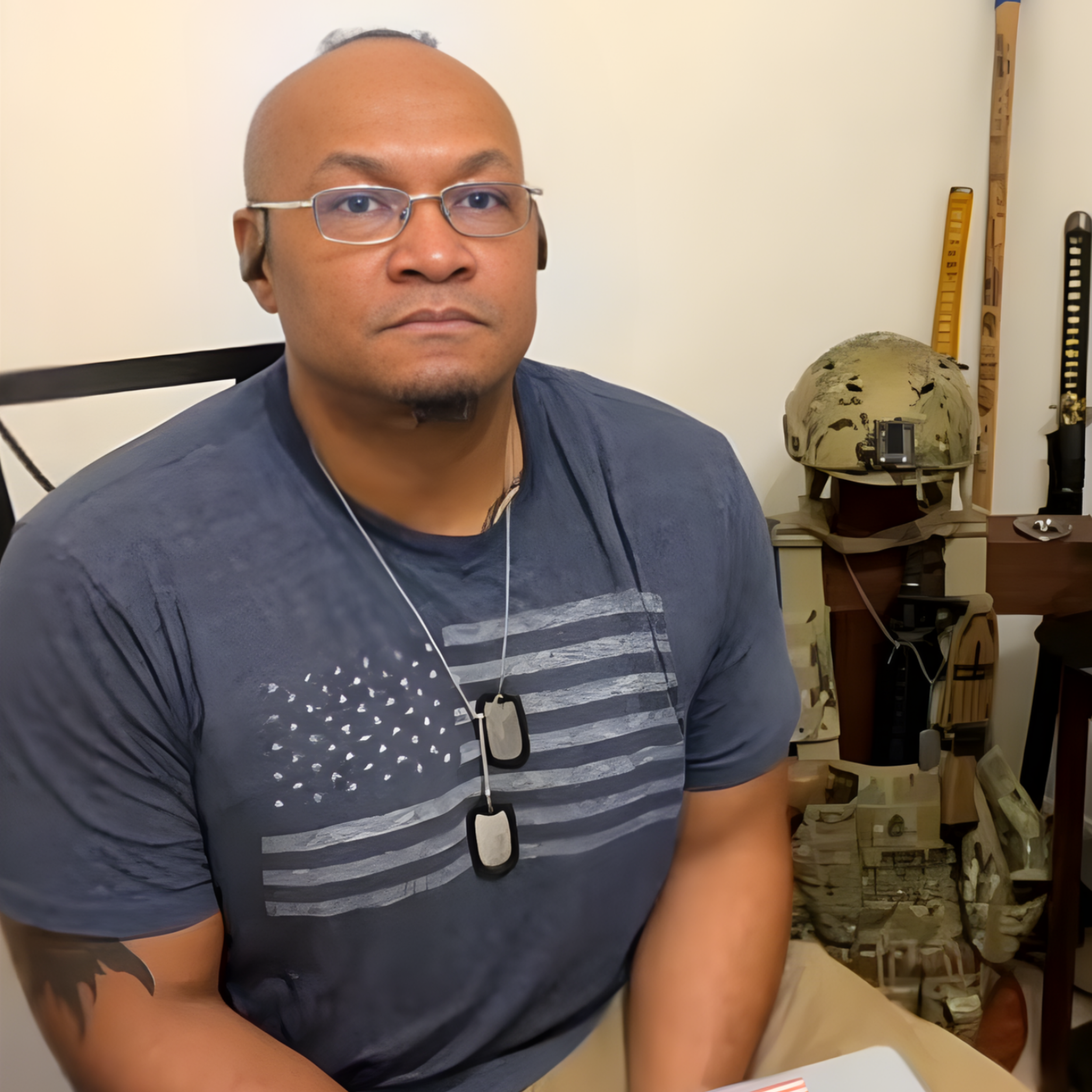
GUEST BIO: WHO IS EDDIE PEOPLES?
Eddie Peoples is a retired U.S. Army Sergeant First Class and veteran of more than two decades of military service who specialized in global logistics and transportation management. Serving primarily as an 88N Transportation Management Coordinator, he was responsible for coordinating the movement of troops, equipment, and military cargo worldwide, later transitioning into roles as a military instructor and installation administrator during overseas assignments. After retiring from the Army in 2024, Peoples settled in the Philippines with his family. He became publicly known following the tragic death of his son, Private Kioni Peoples, whose case raised questions about trauma care decisions and organ donation protocols. Since then, Peoples has spoken openly about his family’s experience, advocating for transparency and informed conversations around medical decision-making during critical care situations.
The Accident
On January 27, 2026, Kioni Peoples was involved in a motorcycle accident in Bakersfield, California. He was airlifted to a trauma center in Las Vegas.
The initial information given to the family was cautiously optimistic.
Doctors described serious injuries but reassured the family that, because of Kioni’s age and physical condition, recovery was likely. His injuries included broken femurs, fractured ribs, a shattered arm, spinal damage, and head trauma.
They were severe injuries—but injuries that, at least initially, sounded survivable.
Eddie received the call while in the Philippines. Within hours he began arranging travel, eventually booking a 28-hour journey to reach his son.
For any parent, the instinct is simple: get there as fast as possible.
But while he was traveling, the situation began to change.
A Sudden Shift
Eddie’s ex-wife arrived at the hospital before him. When she spoke to doctors, the tone had shifted dramatically.
A neurosurgeon told her Kioni’s condition was worse than originally thought. His pupils were no longer responding normally, raising concerns about brain activity. The medical team began discussing tests to determine whether he was brain dead.
The timeline felt alarmingly fast to the family.
According to Eddie, the discussions about determining brain death began only a couple of days after the accident.
By the time he arrived at the hospital after his long flight, the testing was already scheduled.
Waiting for the Test
Eddie spent his first night sitting beside his son.
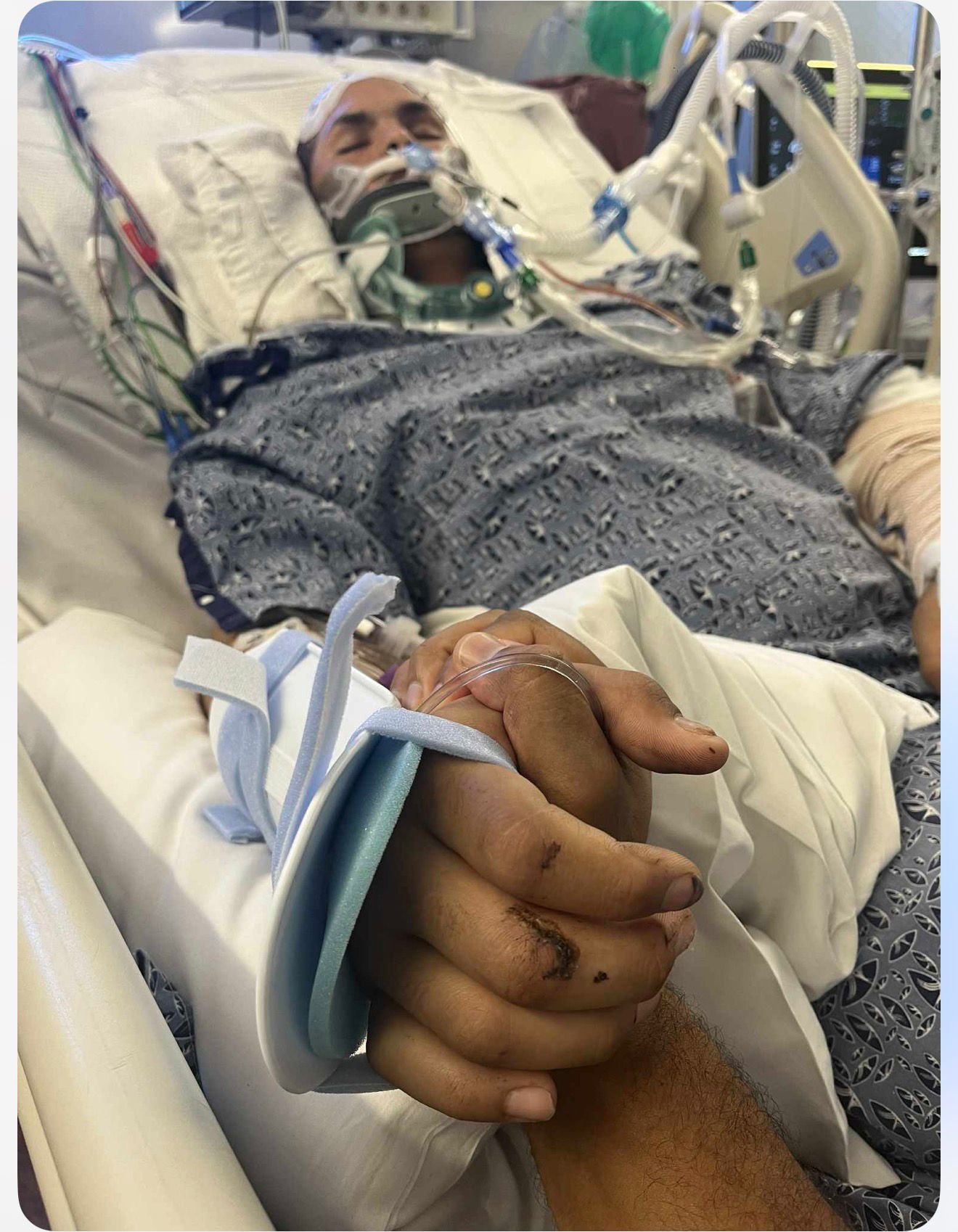
Kioni was unconscious and on a respirator. His body was badly swollen from trauma and broken bones. Nurses conducted routine neurological checks, testing reflexes and pupil responses.
Eddie held his son’s hand and waited.
The brain-death test was scheduled for the next morning.
Then it was delayed.
Then it was delayed again.
Each delay stretched the emotional strain on the family. With every passing hour, hope and fear battled each other.
The Final Examination
When the testing finally began, the entire family gathered in the room.
Doctors performed several neurological checks: testing reflex responses, checking eye movements, and evaluating reactions to stimuli. A breathing test followed, in which the ventilator support was temporarily reduced to see if the patient attempts to breathe independently.
For Eddie, the waiting during that test felt endless.
After several minutes, the doctor reportedly described the results as “inconclusive.”
The family expected additional testing to follow.
The medical team had previously mentioned a nuclear brain-flow test that could determine whether blood was reaching the brain.
But according to Eddie, that test never happened.
Instead, shortly after the initial examination, the doctor returned and informed the family that Kioni met the criteria for brain death.
A Family Struggling to Understand
For the Peoples family, the moment was overwhelming.
They questioned the decision. They asked whether the additional test could still be performed. Eddie even spoke privately with the doctor, pleading for the confirmatory scan.
He says the answer remained the same: it wasn’t necessary.
The decision had been made.
The official time of death was recorded that evening.
An Unexpected Conversation
As the family processed the news, another meeting was arranged.
They were asked to gather in a private room with a hospital representative who introduced herself as someone there to guide them through the next steps.
At first, the conversation felt supportive. She asked the family to share memories of Kioni—stories about who he was and what kind of person he had been.
The family spoke about his humor, his personality, and the things they loved about him.
Then the conversation took a turn.
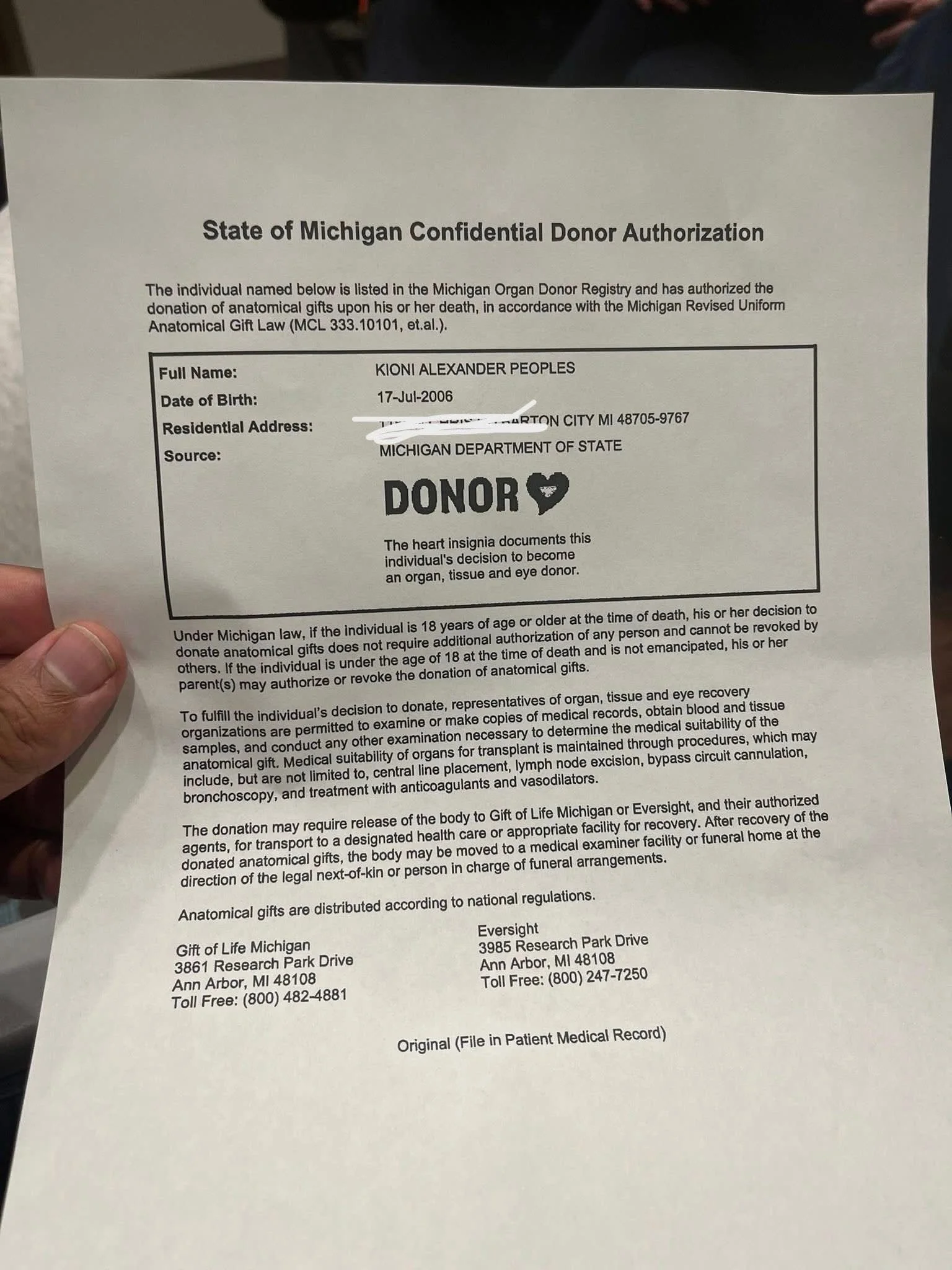
The representative mentioned that Kioni had chosen to become an organ donor.
For the family, this was shocking.
According to Eddie, both Kioni’s military ID and driver’s license did not indicate organ donor status. Organ donation had also been a topic the family had discussed before, and they believed Kioni shared their reservations.
The statement left them confused and searching for answers.
Why Are No Recordings Allowed?
The rep… for the Organ Harvesting company…
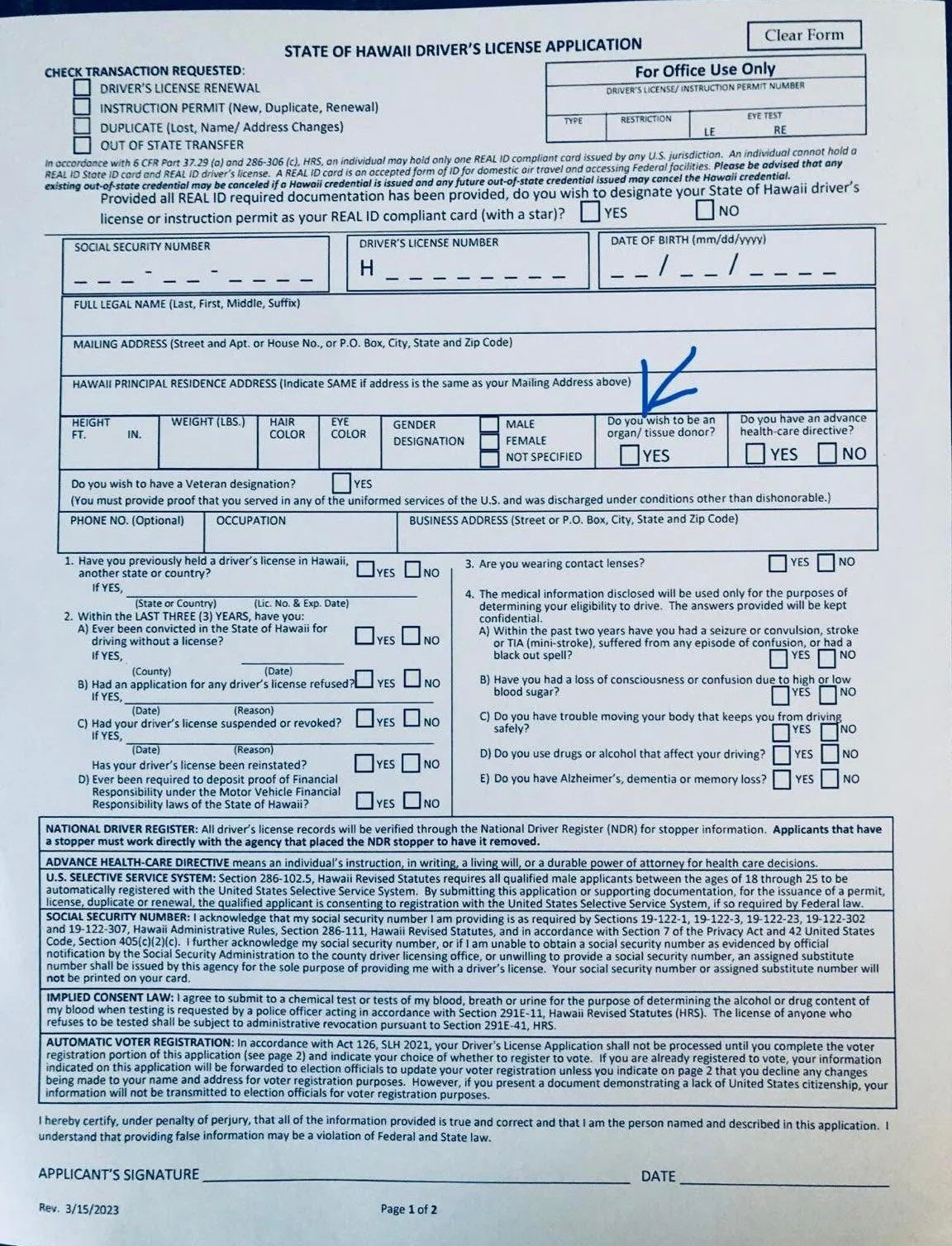
THE FORM.. There is no, NO box!
WATCH FULL EPISODE HERE
The Larger Questions
The Peoples family’s experience raises questions that go far beyond one hospital room.
When tragedy strikes, medical professionals must make incredibly difficult decisions under immense pressure. Determining brain death is a serious and highly regulated process designed to protect both patients and families.
But the emotional reality for families navigating those moments is complex.
Grief, shock, and uncertainty collide in ways that make every detail feel enormous.
For Eddie Peoples, the loss of his son is the central truth that will never change.
But alongside that grief is a lingering need to understand exactly how those final decisions were made.
Conversations That Are Hard—but Necessary
Organ donation saves lives every day. For many families, it becomes a source of meaning in the aftermath of tragedy.
But conversations about organ donation must also include transparency, consent, and trust.
When families feel uncertain about what happened, those conversations become far more complicated.
Eddie Peoples’ story is ultimately about a father’s love for his son—and a family trying to make sense of the most painful moment imaginable.
And sometimes, the hardest questions are the ones we never expected to ask.
Editor’s Note
This article recounts the personal experience of retired U.S. Army Sergeant First Class Eddie Peoples following the death of his son, Private Kioni Peoples, after a motorcycle accident in January 2026. The events described reflect the family’s perspective during a period of profound grief and uncertainty.
Medical determinations such as brain death and organ donation eligibility follow established clinical and legal protocols, which can vary by jurisdiction and are often carried out during rapidly evolving trauma situations. This piece does not attempt to adjudicate medical decisions or assign responsibility. Instead, it aims to document a family’s account and encourage thoughtful discussion about transparency, communication, and informed consent during critical care events.
Stories like this highlight the emotional complexity families face when life-and-death decisions occur in compressed timeframes. Sharing these perspectives can help foster better understanding between medical professionals, patients, and the families who must navigate these difficult moments.
Learn More
👥 Connect with Stories of Service Podcast
For more on this issue, please read here - https://www.nytimes.com/2025/06/06/us...