War, Media and a 25 Million Lawsuit Anti-Hero Broadcast Founder Tyler Hoover
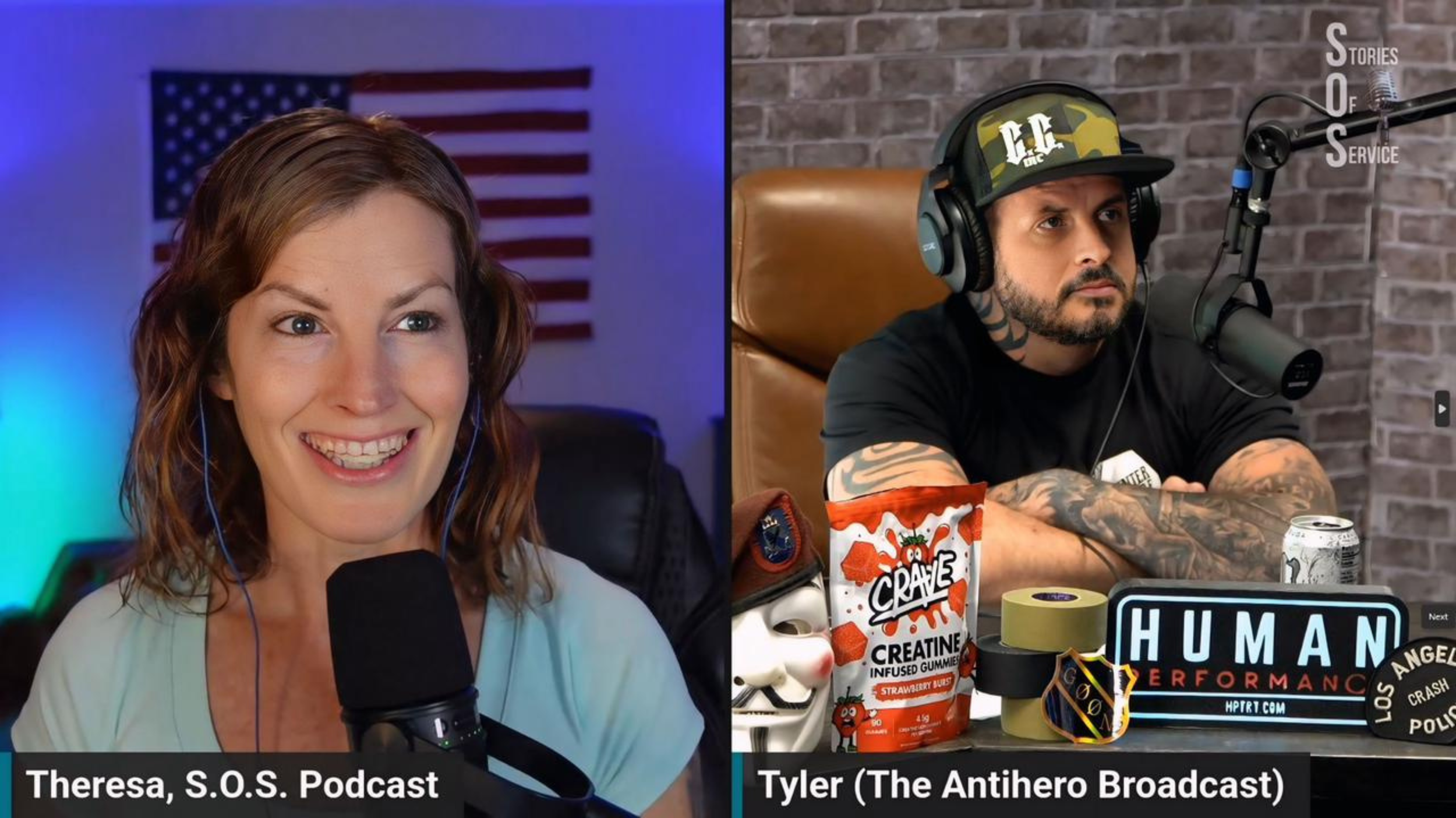
Imagine logging on, doing what you’ve done a hundred times before—sharing your opinion, breaking down a public story, maybe cracking a few jokes—and then getting served with a $25 million lawsuit.
Not a nasty comment.
Not a content strike.
A lawsuit.
That’s the reality Tyler Hoover says he’s living right now.
Hoover is a former 82nd Airborne paratrooper, Iraq veteran, and Central Florida police officer turned media entrepreneur. He’s the founder of the Antihero Broadcast and Counter Culture Incorporated—a platform built on dark humor, blunt commentary, and veteran-first conversations that don’t exactly follow corporate HR guidelines.
Now, his company is facing a massive defamation lawsuit tied to commentary about a public figure.
And whether you agree with him or not, the bigger issue is this: what does it mean when independent voices—especially veterans and first responders—find themselves staring down lawsuits for speaking publicly?
Welcome to the era of lawfare.
From Baghdad to Broadcasting
Hoover’s story doesn’t start in a studio. It starts in southwest Virginia, failing community college at 19, watching news footage of American soldiers killed overseas and deciding, in his own words, that he needed to “do something that mattered.”
He enlisted during the Iraq surge in 2007. Three weeks later, he was at basic training. He volunteered for airborne—partly for the extra pay, partly to be stationed closer to home.
He deployed to Baghdad in 2008.
Like many veterans, his view of the war evolved over time. At 19, the mission felt clear: go to war, do your job, come home. Years later, with more distance and perspective, he began questioning the geopolitical layers—how insurgencies formed, how political decisions shaped outcomes, and whether the U.S. should have been there at all.
That tension—between pride in service and skepticism of policy—is familiar territory for a lot of veterans. You can honor the brotherhood without romanticizing the bureaucracy.
After one enlistment, Hoover got out, earned a degree in homeland security and terrorism studies, and became a local police officer in Florida—following in his father’s footsteps.
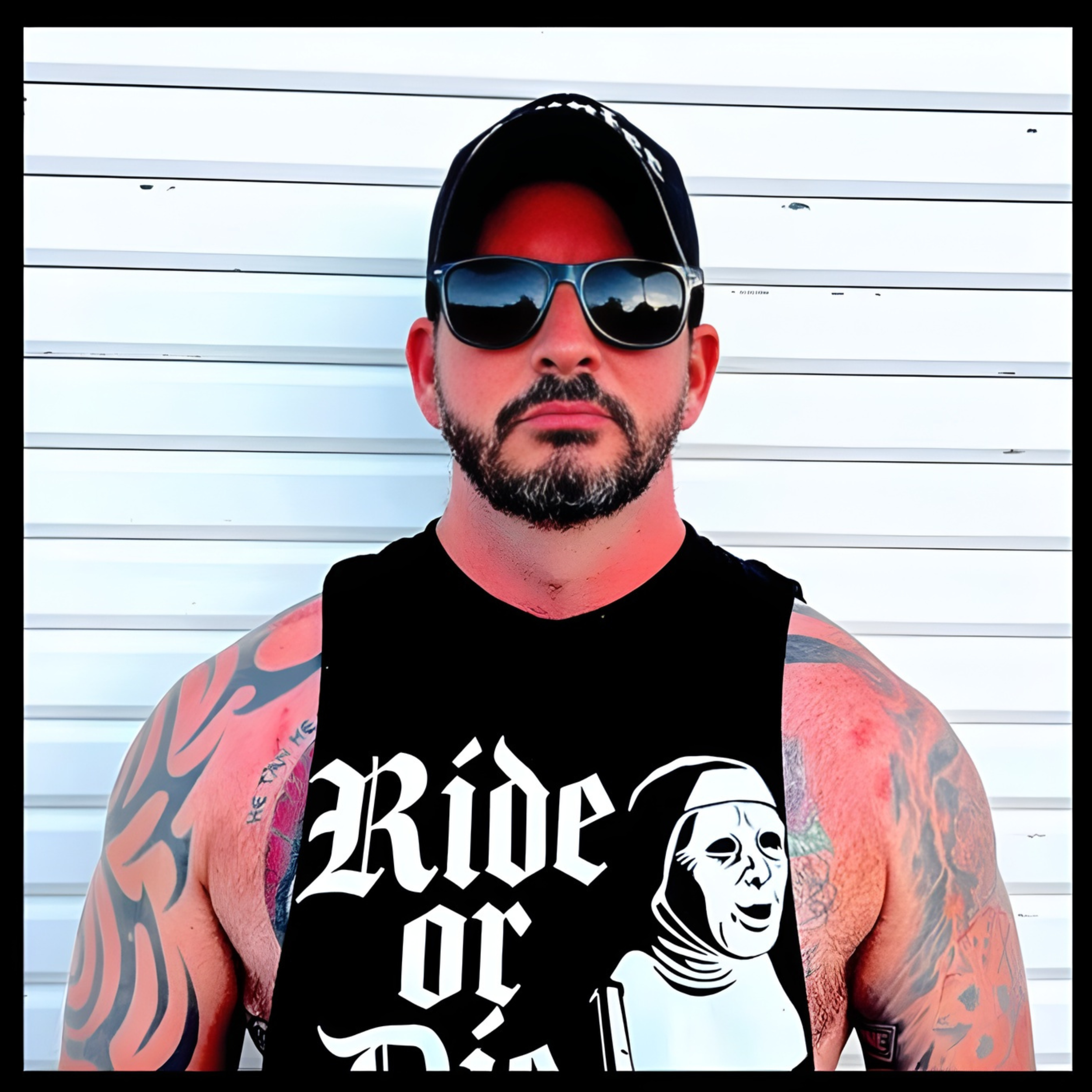
GUEST BIO: WHO IS TYLER HOOVER?
Tyler Hoover is a U.S. Army veteran, former 82nd Airborne paratrooper, and onetime Florida police officer who later became a media entrepreneur and podcast host. After serving in Iraq during the surge years, he transitioned into law enforcement before launching the Antihero Broadcast, a platform known for blunt, irreverent commentary on military culture, politics, media narratives, and veteran issues. Positioning himself as an “antihero” rather than a polished public figure, Hoover built an audience around unfiltered conversations that challenge institutional orthodoxy and celebrity-veteran culture. In recent years, he has drawn wider attention amid a high-profile defamation lawsuit tied to public commentary, placing him at the center of debates over free speech, accountability, and the legal risks facing independent media creators.
The Street Cop Who Started Questioning
He didn’t want to climb ranks. Didn’t want detective gold shields or administrative promotions. He wanted to be a street cop.
But over time, something started bothering him.
He describes the proactive policing model honestly: using minor infractions—like barely rolling through a stop sign—as probable cause to look for bigger crimes. Guns. Drugs. Warrants.
It’s legal. It’s common. It produces statistics.
But it also produces friction.
Hoover began wrestling with the mental weight of that system—lawful stops that didn’t always feel morally clean. The kind of internal conflict that doesn’t show up in a report but lives in your head after shift change.
Eventually, after friction inside his own department and removal from a specialized unit, he made a pivot.
The day after getting pulled from SWAT, he ordered podcast equipment on Amazon.
If the institution wasn’t a fit anymore, he’d build his own.
The Antihero Model
The Antihero Broadcast wasn’t built to be polished.
It wasn’t built to be safe.
It was built to sound like a smoke pit conversation after midnight—unfiltered, irreverent, sometimes abrasive, often funny, and occasionally uncomfortable.
Hoover calls it “antihero” because he doesn’t claim moral superiority. He doesn’t brand himself as a guru. He positions himself as flawed but honest.
And that tone resonates—particularly with veterans and first responders who feel like mainstream media either sanitizes their world or misrepresents it entirely.
The show leans into:
Dark humor
Cultural criticism
Skepticism of institutions
Unvarnished takes on military and law enforcement culture
It also challenges sacred cows—particularly within the special operations community and the celebrity-veteran ecosystem.
That’s where things get risky.
Fan Culture, Pedestals, and Blowback
One of Hoover’s critiques is the pedestal effect—the way certain military figures become untouchable brands.
He argues that conventional soldiers, the “99%,” often tell equally courageous stories but don’t receive the same public worship because they lack a Green Beret or SEAL Trident on a thumbnail.
That’s not a small statement. It challenges a billion-dollar narrative machine.
And when you challenge narratives that powerful, friction follows.
In today’s environment, friction doesn’t always show up as debate. Sometimes it shows up as litigation.
When Commentary Becomes a Court Case
The lawsuit facing Hoover’s company reportedly stems from commentary about a public figure—commentary he argues was based on publicly available information and opinion.
Without litigating the case in a blog post, the broader issue is bigger than one dispute:
When does criticism become defamation?
When does opinion become liability?
How much financial risk should independent creators carry for discussing public figures?
A $25 million number isn’t just a claim—it’s a message.
Even if you ultimately win, you still pay in legal fees, time, stress, and brand damage. That’s the chilling effect critics warn about. The process becomes the punishment.
This is what people mean when they use the word “lawfare”—using legal mechanisms strategically to intimidate or silence.
Is every lawsuit lawfare? Of course not.
Is every podcaster innocent? Also no.
But the gray area in between is where independent media now operates.
The Veteran Dilemma: Speak or Stay Silent?
Veterans occupy a strange cultural space.
They’ve seen war.
They’ve worked inside rigid hierarchies.
They understand consequences.
But they’ve also lived in environments where blunt truth-telling is normal. Where humor is dark because reality was darker. Where criticism of leadership happens loudly and often.
When those veterans move into media, that tone comes with them.
The problem? Civilian audiences don’t always understand the cultural dialect.
What sounds like gallows humor to one group sounds like recklessness to another.
And in a digital world where clips are stripped of context and distributed instantly, nuance doesn’t travel well.
Free Speech vs. Accountability
The free speech conversation is rarely simple.
The First Amendment protects against government suppression—not private lawsuits. That’s an important distinction.
At the same time, civil defamation law exists to protect individuals from false statements that cause measurable harm.
So where’s the line?
For independent creators, especially those without corporate legal teams, the calculus is brutal:
Do you self-censor to reduce risk?
Do you speak freely and accept potential legal exposure?
Do you avoid controversial topics entirely?
Every answer has a cost.
And for veterans accustomed to structured systems where rules are clear and consequences are defined, the media landscape feels like operating without a map.
The Private Cost of Public Battles
Beyond money, lawsuits hit something else: identity.
When your platform is built on speaking freely and suddenly that speech is under legal attack, it forces a personal reckoning.
Was it worth it?
Would you say it again?
Does backing down betray your audience?
For someone wired toward confrontation—combat, policing, debate—stepping back can feel like surrender.
But charging forward carries real risk.
That tension reshapes private life in ways viewers never see.
Stress bleeds into family.
Legal bills reshape business decisions.
Friends pick sides.
The audience gets content.
The creator absorbs the fallout.
WATCH FULL EPISODE HERE
What This Means for the Rest of Us
You don’t have to run a large podcast to be affected by this shift.
If you:
Post commentary about public figures
Share investigative threads
Publish long-form criticism
Speak bluntly about institutions
You’re operating in the same ecosystem.
The internet gave everyone a microphone.
The courts are reminding everyone there’s a price tag attached.
The Bigger Question
You can agree with Tyler Hoover.
You can disagree with him.
You can dislike his tone entirely.
But the underlying issue remains:
In a culture where veterans are often told to “speak their truth,” what happens when that truth collides with powerful interests?
Is aggressive litigation a necessary guardrail—or a modern intimidation tactic?
The answer may depend on where you stand.
What’s clear is this: the battlefield has shifted.
And for a generation trained in combat zones and patrol cars, the fight now looks a lot more like depositions than deployments.
Editor’s Note
This piece is part of an ongoing series examining speech, accountability, and the legal pressures facing veterans and independent media creators. Allegations discussed in this story are subject to active legal proceedings, and all parties are entitled to due process in court. The goal here is not to litigate claims, but to explore the broader tension between free expression, reputational harm, and the growing role of high-stakes civil litigation in public discourse.
If you are a veteran, first responder, or independent creator navigating similar challenges, your perspective matters. Thoughtful dialogue—not silence—is how these issues get clearer.
The question isn’t whether lawfare exists.
The question is how much risk you’re willing to carry when you decide to speak.
Learn More
👥 Connect with Stories of Service Podcast