Patrick Caserta on The Brandon Act and the Fight That Isn’t Over
Military culture often celebrates resilience, discipline, and endurance. Those values matter, especially in high-pressure environments where lives depend on teamwork and trust. But for too long, many service members have also felt pressure to stay silent when they struggle mentally or emotionally. The tragic story of Navy sailor Brandon Caserta exposed what can happen when someone asks for help and feels unheard.
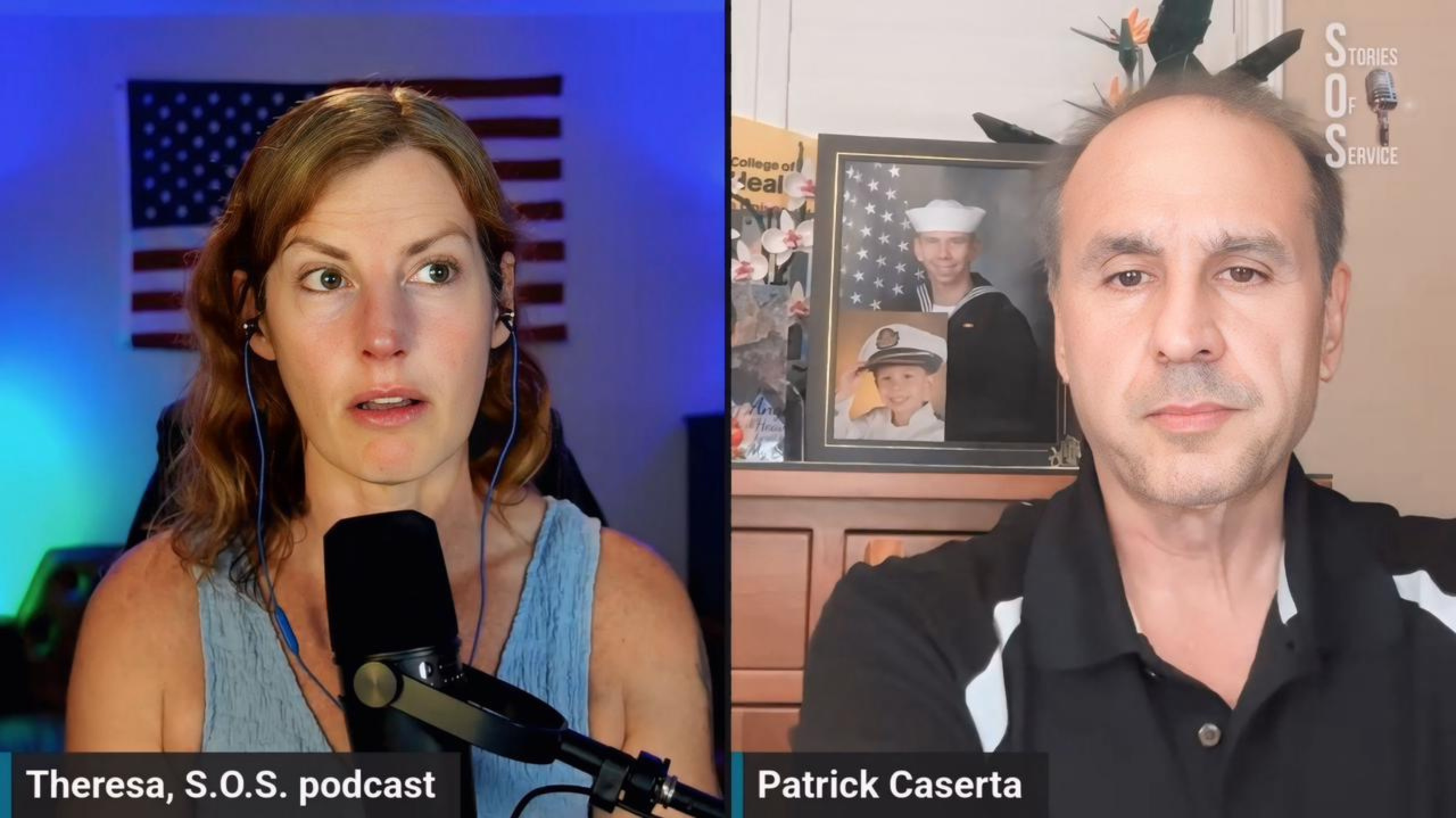
On an episode of the Stories of Service podcast hosted by Theresa Carpenter, Brandon’s father, Patrick Caserta, shared his son’s story and the painful journey that ultimately led to the creation of the Brandon Act. Their conversation was difficult, emotional, and deeply important because it highlighted a truth many veterans and active-duty service members already understand: changing a law is only the beginning. Changing military culture is much harder.
Brandon Caserta’s Journey Into the Navy
Patrick Caserta served 22 years in the U.S. Navy as a senior chief and combat veteran. Despite his own military background, he never wanted his son to enlist. Patrick explained that he had seen both the strengths and flaws of military life firsthand, especially as the culture shifted over the years.
Like many parents, he hoped his son would have opportunities outside the military. But Brandon had different plans. From an early age, he dreamed of becoming a Navy SEAL. Athletic, disciplined, and highly motivated, he spent years preparing himself physically through swimming, football, karate, and intense training.
Brandon entered the Navy determined to succeed in the SEAL pipeline. According to Patrick, he performed exceptionally well physically and mentally. However, during BUD/S training, Brandon suffered serious injuries after repeated requests for medical attention were ignored. Eventually, doctors discovered his leg had multiple fractures.
Patrick also described what Brandon witnessed inside the training environment, including widespread performance-enhancing drug use. Brandon reportedly refused to participate, believing it violated both his principles and the integrity of the program. That decision, according to Patrick, placed him at odds with others in the community.
After leaving the SEAL pipeline due to his injuries, Brandon transitioned into aviation training as an Aviation Electrician’s Mate.
GUEST BIO: WHO IS PATRICK CASERTA?
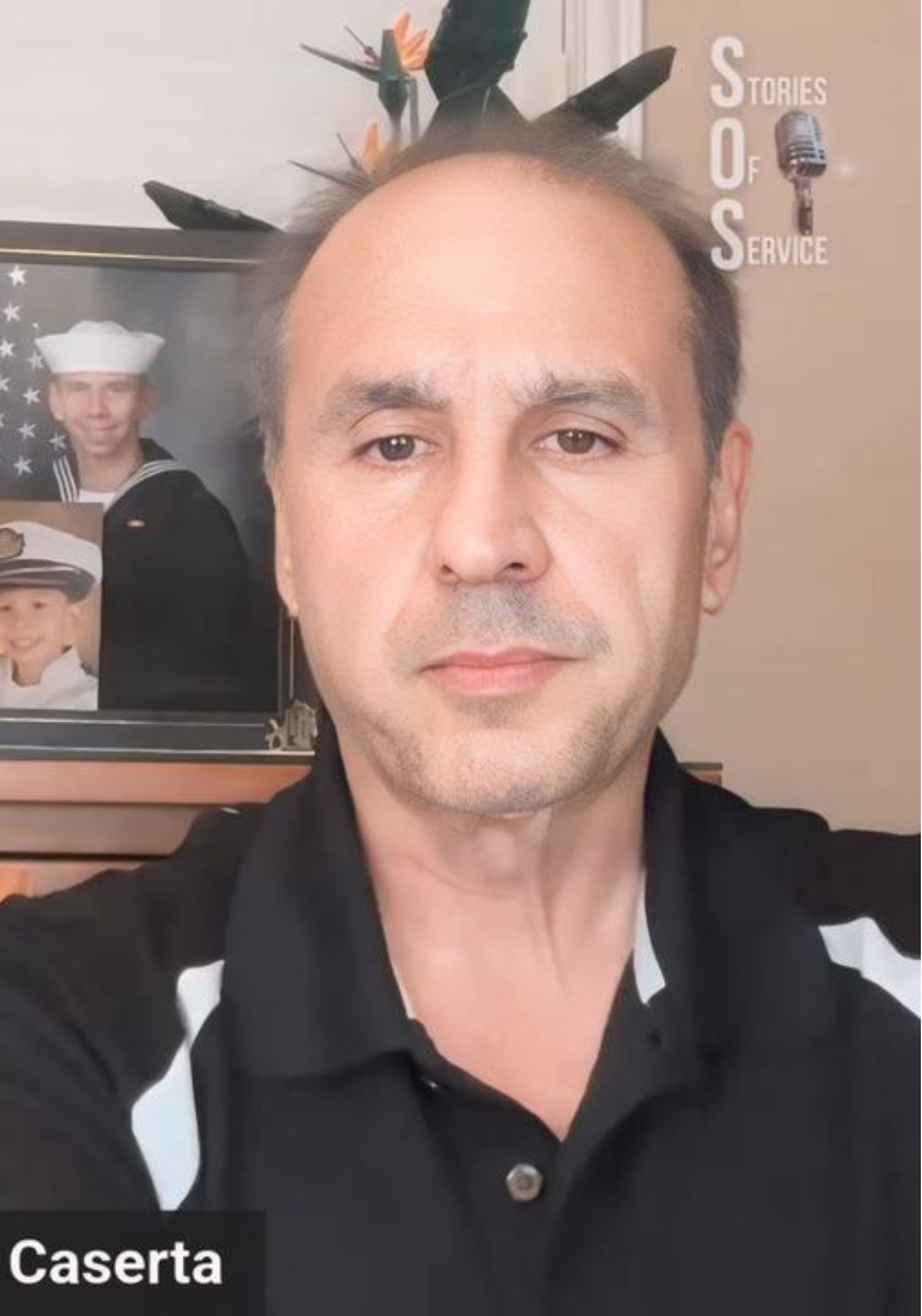
Patrick Caserta is a retired U.S. Navy Senior Chief and combat veteran who served for 22 years in the Navy. He is widely known as the father of Navy Airman Brandon Caserta, whose death by suicide in 2018 became the catalyst for the Brandon Act.
After losing his son, Patrick became a military mental health advocate and co-authored the Brandon Act legislation, which gives service members a confidential way to seek mental health support without needing permission through their chain of command. His advocacy focuses on accountability, suicide prevention, toxic leadership reform, and improving mental health resources across the military.
He also works through the Brandon Caserta Foundation, which raises awareness about military mental health challenges and pushes for cultural change within the armed forces.
Brandon Caserta’s Journey Into the Navy
Patrick Caserta served 22 years in the U.S. Navy as a senior chief and combat veteran. Despite his own military background, he never wanted his son to enlist. Patrick explained that he had seen both the strengths and flaws of military life firsthand, especially as the culture shifted over the years.
Like many parents, he hoped his son would have opportunities outside the military. But Brandon had different plans. From an early age, he dreamed of becoming a Navy SEAL. Athletic, disciplined, and highly motivated, he spent years preparing himself physically through swimming, football, karate, and intense training.
Brandon entered the Navy determined to succeed in the SEAL pipeline. According to Patrick, he performed exceptionally well physically and mentally. However, during BUD/S training, Brandon suffered serious injuries after repeated requests for medical attention were ignored. Eventually, doctors discovered his leg had multiple fractures.
Patrick also described what Brandon witnessed inside the training environment, including widespread performance-enhancing drug use. Brandon reportedly refused to participate, believing it violated both his principles and the integrity of the program. That decision, according to Patrick, placed him at odds with others in the community.
After leaving the SEAL pipeline due to his injuries, Brandon transitioned into aviation training as an Aviation Electrician’s Mate.
A Toxic Command Environment
Brandon eventually reported to Helicopter Sea Combat Squadron 28 (HSC-28) in Norfolk, Virginia. At first, things appeared manageable. He became involved in morale and welfare activities, worked hard, and earned praise for his work ethic.
But over time, the environment changed.
Patrick described a command climate where leadership inconsistencies, favoritism, and toxic behavior became increasingly common. Brandon, despite being fully trained as an Aviation Electrician’s Mate, reportedly spent much of his time assigned to the “geedunk,” a squadron snack shop typically used for temporary assignments.
According to Patrick, Brandon was repeatedly denied opportunities to fully work within his trained specialty. At the same time, he faced ridicule connected to his earlier SEAL training experience. One supervisor allegedly referred to him as a “BUD/S dud,” a label that deeply affected Brandon because he had taken pride in how far he had advanced in one of the military’s most difficult programs.
Still, Brandon kept pushing forward.
Eventually, he pursued an opportunity to become an aircrewman, a role he was excited about because it represented a fresh start and a path out of the environment he was struggling in. He passed the required swim qualifications and was selected for advanced training.
But shortly before his transfer, Brandon broke his collarbone in a bicycle accident. Patrick said Brandon’s orders were delayed while he recovered, despite expectations that he would be transferred once medically cleared.
Later, Patrick learned information that deeply disturbed him. According to his account, the Navy detailer responsible for Brandon’s transfer reportedly stated that the command—not the detailer—had canceled Brandon’s orders and failed to move him after he became fit for duty again.
Patrick believes Brandon’s command deliberately prevented his transfer because he was considered one of their hardest workers.
The Breaking Point
As conditions worsened, Brandon’s stress and frustration intensified.
Patrick described repeated verbal mistreatment and pressure from leadership after Brandon’s transfer plans fell apart. What made the situation especially painful for the family was that Brandon had continued trying to move forward. He had future goals, new opportunities, and plans beyond the command where he felt trapped.
In June 2018, Brandon Caserta died by suicide at the age of 21.
His death devastated his family, but it also sparked a movement.
The Brandon Act
After losing their son, Patrick and his family dedicated themselves to pushing for reform within the military mental health system. Their efforts helped lead to the creation and eventual passage of the Brandon Act.
The law is designed to make it easier for service members to seek mental health support confidentially and directly, without needing permission through their immediate chain of command.
The purpose is simple but critical: service members should be able to ask for mental health care without fear of retaliation, humiliation, career damage, or being ignored.
The Brandon Act represents a major step forward, especially in military environments where stigma around mental health still exists. It acknowledges that barriers to care can have deadly consequences.
But as Theresa Carpenter pointed out during the podcast, passing legislation and changing military culture are not the same thing.
WATCH FULL EPISODE HERE
Why Culture Change Still Matters
One of the strongest themes throughout the conversation was accountability.
Policies can exist on paper, but they mean little if service members do not trust the system enough to use them. Many military members still worry that seeking help could negatively impact promotions, security clearances, or relationships within their commands.
Patrick and Teresa both discussed how leadership culture often determines whether a command becomes supportive or toxic. Good leaders can create healthy environments where sailors feel valued and protected. Poor leaders can create climates where fear, silence, and favoritism thrive.
That inconsistency remains one of the military’s biggest challenges.
The conversation also highlighted the need for:
Clear implementation of the Brandon Act across all military branches
Better education so service members understand their rights
Stronger protections against retaliation
Greater accountability for leaders who ignore or block requests for help
A cultural shift where mental health care is viewed as strength, not weakness
These issues affect far more than one family.
Military suicide rates remain a serious concern, and many veterans continue speaking openly about toxic leadership, burnout, isolation, and the fear of appearing vulnerable.
Remembering Brandon Caserta
Throughout the interview, one thing stood out clearly: Brandon was deeply loved.
Patrick described him as intelligent, driven, creative, and exceptionally hardworking. Whether building things as a child, mastering new tasks, or pursuing difficult goals, Brandon approached life with determination.
His story is heartbreaking, but it has also become a catalyst for change.
The Brandon Act exists because one family refused to stay silent after unimaginable loss. Their advocacy continues through the Brandon Caserta Foundation, which focuses on awareness, accountability, and improving mental health support for service members.
Conversations like this are uncomfortable, but they are necessary.
Mental health struggles in the military cannot be solved by slogans alone. They require leadership accountability, accessible resources, and environments where service members feel safe asking for help before they reach a crisis point.
Brandon Caserta’s story is ultimately about more than tragedy. It is about the urgent responsibility to build a military culture where no sailor, soldier, airman, Marine, or guardian feels abandoned when they need support the most.
Editor’s Note
This article discusses suicide, mental health struggles, and toxic leadership within the military. Some readers may find the content difficult or emotionally triggering. If you or someone you know is struggling, support is available through the Veterans Crisis Line by dialing 988 and pressing 1, or by visiting VeteransCrisisLine.net. Seeking help is a sign of strength, and no service member should face these challenges alone.