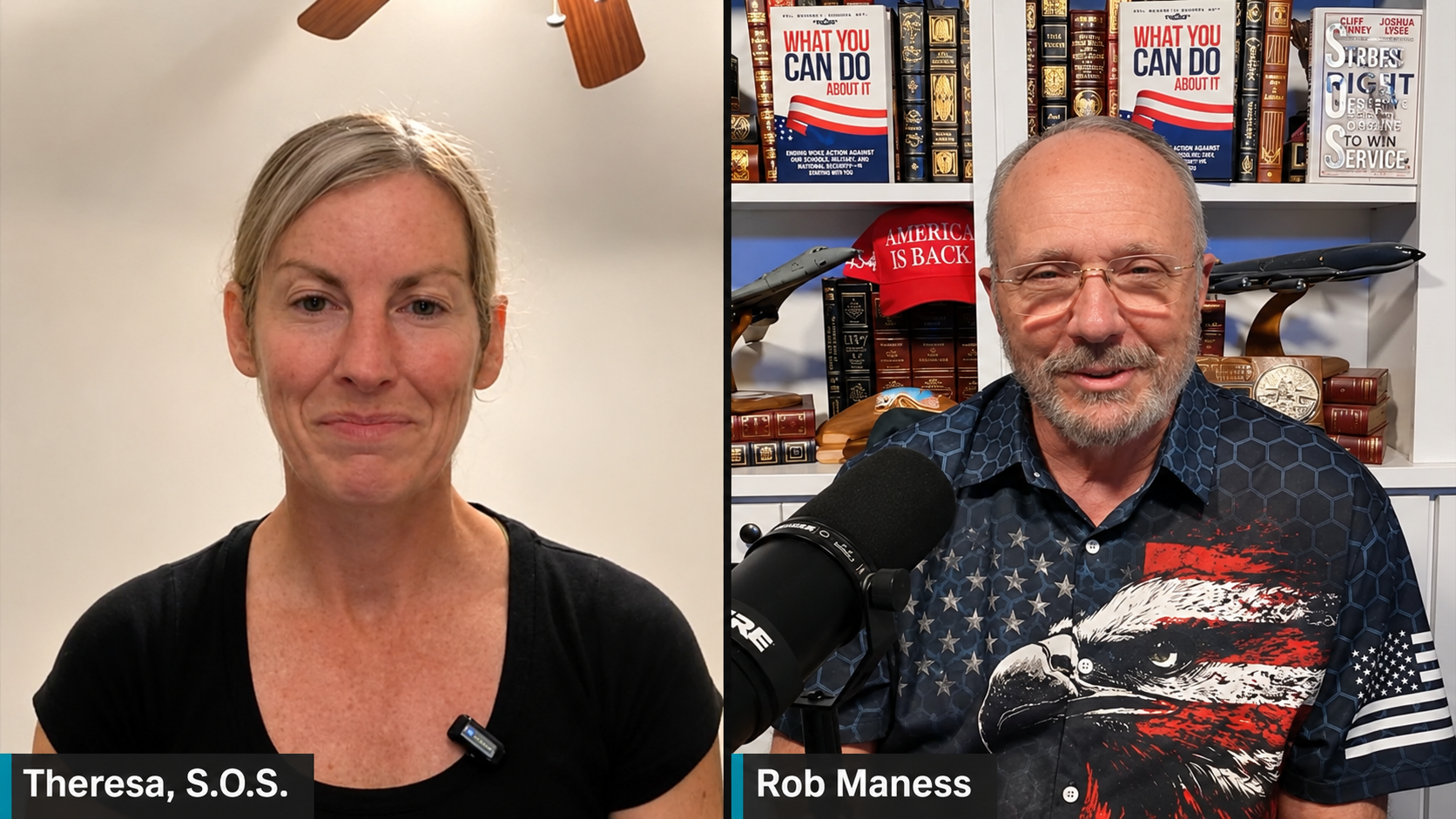
Who is responsible for protecting constitutional liberties once an election is over? Politicians and public institutions have important roles, but retired Air Force Colonel Rob Maness argues that citizens cannot delegate the entire responsibility to someone else.
In his conversation with Theresa Carpenter on Stories of Service, Maness connects military leadership, public service, and local political involvement. Drawing on his career and experience running for office, he explains why participation between elections matters. Their discussion explores a practical question for people frustrated with politics: What can an individual do to make an impact in their own community?
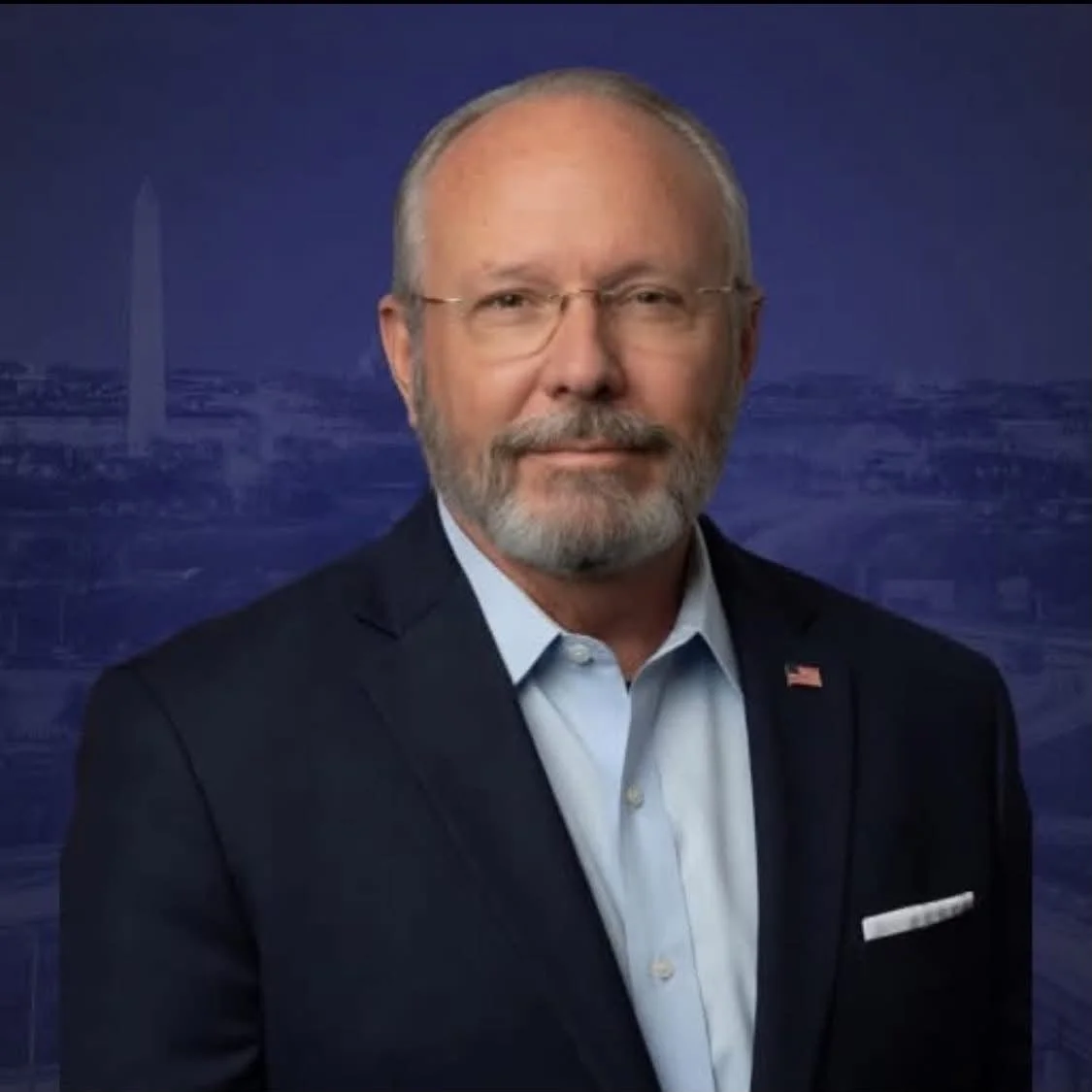
WHO IS ROB MANESS?
Maness is introduced as a military veteran with 32 years of service, a former Senate candidate, and an author. Raised in an Air Force family, he describes moving frequently and learning early that military service meant responsibility toward a wider community.
He began his career in explosive ordnance disposal, entering the field as a teenager. After completing college, he pursued officer and flying training, eventually serving in bomber squadron leadership.
His background gives the interview a perspective shaped by both enlisted and commissioned service. For Maness, the transition into civilian advocacy grew from values he associated with serving others.
Military Leadership Begins With Kindness
When Carpenter asks for his most important leadership lesson, Maness gives a straightforward answer: Be kind. He explains that commanders possess considerable power over people, making awareness of their own weaknesses especially important.
Kindness, in his account, belongs alongside competence and responsibility. Leaders should demonstrate the standards they expect rather than ask others to undertake difficult work they would avoid themselves.
He also emphasizes learning from failure. Mistakes become useful when people examine their response and adjust. These lessons extend beyond military units to workplaces, civic groups, and anyone entrusted with authority over other people.
From Military Service to Political Participation
Maness describes maintaining professional political restraint while serving, even as he continued voting. He frames the military role around supporting the Constitution rather than becoming embroiled in partisan activity.
After retirement, he became more publicly involved. He recalls veterans encouraging him to consider a Senate campaign while they were working on concerns affecting the veteran community.
That account links his political participation to relationships and a sense of responsibility. His campaign perspective is explicitly conservative, but the broader question Carpenter raises concerns veterans across viewpoints: How can experience serving the country translate into meaningful civilian participation?
Constitutional Liberties and Party Loyalty
The interview begins with Carpenter asking whether constitutional rights should depend on which party holds power. That question provides a useful foundation for examining the rest of their conversation.
Both speakers express frustration with political establishments, although they approach the discussion from perspectives leaning right. Maness describes disagreements with Republican priorities during his own campaign and argues for remaining clear about personal principles.
Their exchange highlights the tension between belonging to a party and exercising independent judgment. Readers can consider that tension when evaluating any representative: Does a stated commitment survive disagreement, political pressure, and changing circumstances?
Why Civic Engagement Starts Locally
For Maness, people looking for influence should pay attention to local government. He identifies city councils, school boards, county bodies, and state institutions as important places for citizens to participate.
His reasoning is practical. These institutions address budgets, infrastructure, education, and other matters that residents encounter directly. Learning who makes those decisions creates opportunities to ask focused questions and follow what happens afterward.
The interview challenges the assumption that meaningful political involvement requires a national platform. Understanding a local issue, showing up consistently, and developing relationships can give participation a clearer purpose than simply reacting to distant political disputes.
Participation Must Continue Between Elections
A recurring theme is the tendency to consider the job finished after a preferred candidate wins. Maness argues that elections should lead into continued engagement rather than a return to complete political disengagement.
He describes organizing, fundraising, and maintaining community networks as ongoing work. In his view, durable organizations are more effective than efforts that appear briefly during campaigns and then disappear.
This argument comes from his partisan organizing experience, including the political organizations he discusses in the interview. Its broader relevance is the importance of continuity: Keeping promises visible requires people willing to pay attention after campaign messaging ends.
Moving From Frustration to Action
Carpenter presses for something listeners can do with their concerns. She argues that commentary should leave people with a constructive next step rather than only describing what feels broken.
Maness responds by rejecting the idea that ordinary people have no opportunity to participate. He acknowledges the work involved in building a team, communicating a message, and raising resources, while maintaining that those challenges do not make involvement pointless.
For readers, a useful starting point is choosing one issue they understand or want to learn about. Following that issue through local decisions can turn general frustration into specific questions and informed participation.
WATCH FULL EPISODE HERE
Veterans and Continued Public Service
Carpenter also raises the possibility of veterans organizing around constitutional principles. Their shared experience of service, she suggests, could provide a foundation for civic leadership.
Maness welcomes the aspiration while acknowledging disagreement over what such an effort would mean. The discussion leaves open questions about common ground, political identity, and how an organization could represent people with different beliefs.
That uncertainty matters. Veteran status does not resolve political differences automatically. The interview instead invites consideration of what veterans can contribute: leadership experience, commitment to service, and a willingness to accept responsibility for the communities where they live.
A productive conversation also needs room for questions. Listening carefully, checking claims, and distinguishing personal experience from broader conclusions can help citizens evaluate ideas without treating disagreement as a personal failure.
What Can You Do About It?
Maness presents his book as a practical resource meant to encourage organization and action. The question behind it echoes throughout the conversation: Where can a person begin?
Their answers return to local institutions, sustained involvement, and the example individuals set when they hold responsibility. Protecting constitutional liberties, in this discussion, requires attention beyond election results and a willingness to remain engaged.
Watch or listen to Rob Maness’s conversation with Theresa Carpenter on Stories of Service to explore his military background, leadership lessons, and perspective on civic responsibility between elections.
Editor’s Note
This article summarizes Rob Maness’s Stories of Service interview. Political assessments reflect the speakers’ perspectives. The article focuses on leadership and civic participation rather than independently reporting election results or resolving legal questions.
Learn More
👥 Connect with Stories of Service Podcast
📖 Learn more about Rob and his book: https://www.robmaness.com/bonus-chapter/