The Cost of False Allegations with Marine Col. (ret) Dan Wilson
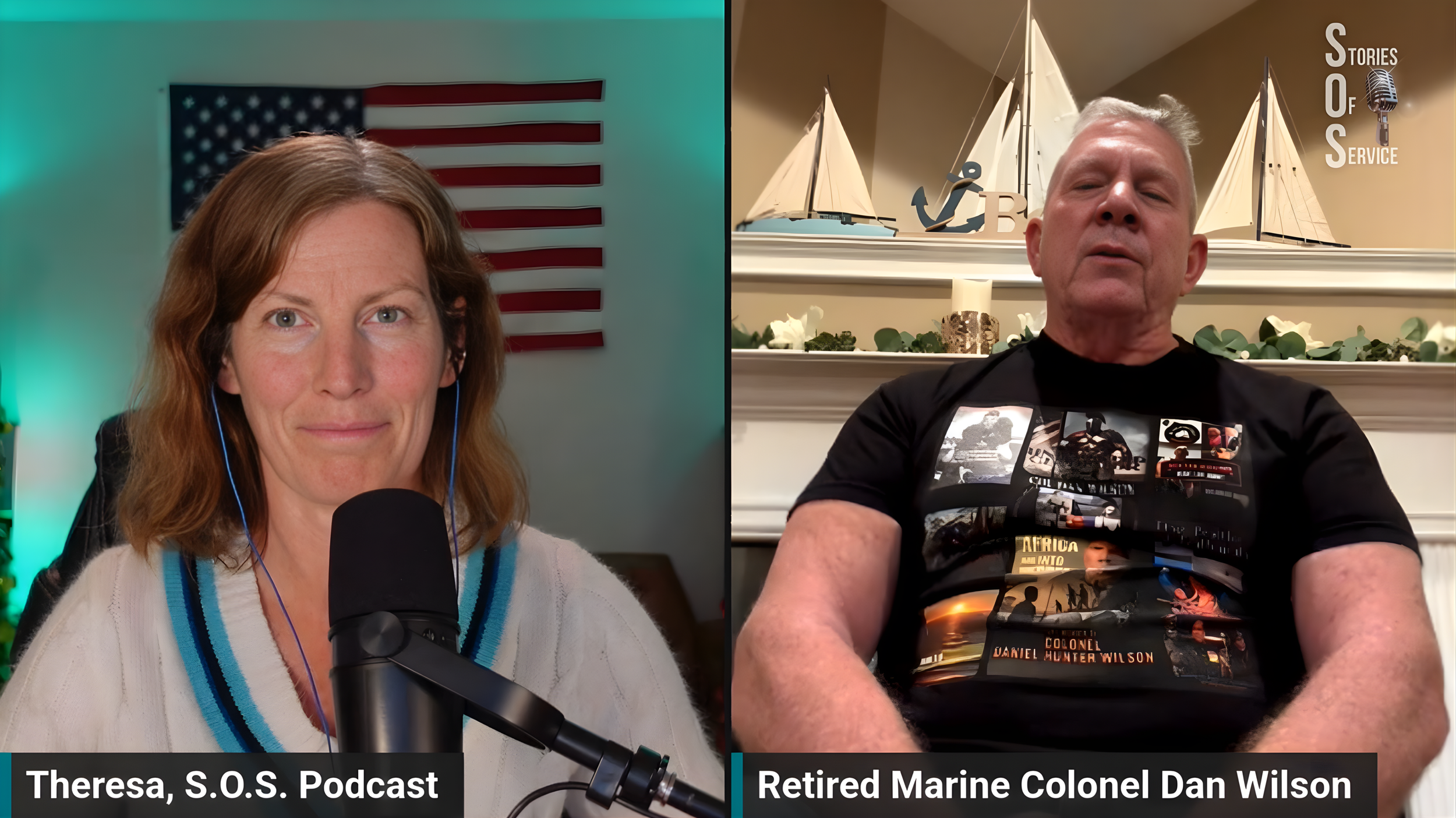
Imagine reaching the final stretch of an extraordinary career—decades of service, combat leadership, institutional trust earned the hard way—and then being accused of one of the most reviled crimes in society. Not quietly. Not ambiguously. But publicly, catastrophically, and without the benefit of support, presumption of innocence, or restraint.
That was the reality for retired Marine Colonel Dan Wilson.
After nearly forty years in uniform, eleven deployments, and leadership roles that spanned from Desert Storm through Iraq and beyond, Wilson found himself fighting the hardest battle of his life—not against an enemy force, but against the military justice system he had served faithfully. His story, chronicled in his book Undaunted Gladiator, is not one of unresolved allegations or murky facts. It is a case that was ultimately overturned and dismissed with prejudice by the Navy-Marine Corps Court of Criminal Appeals for factual and legal insufficiency. In other words: the conviction was wrong, and the court said so plainly.
But exoneration, Wilson learned, does not mean restoration.
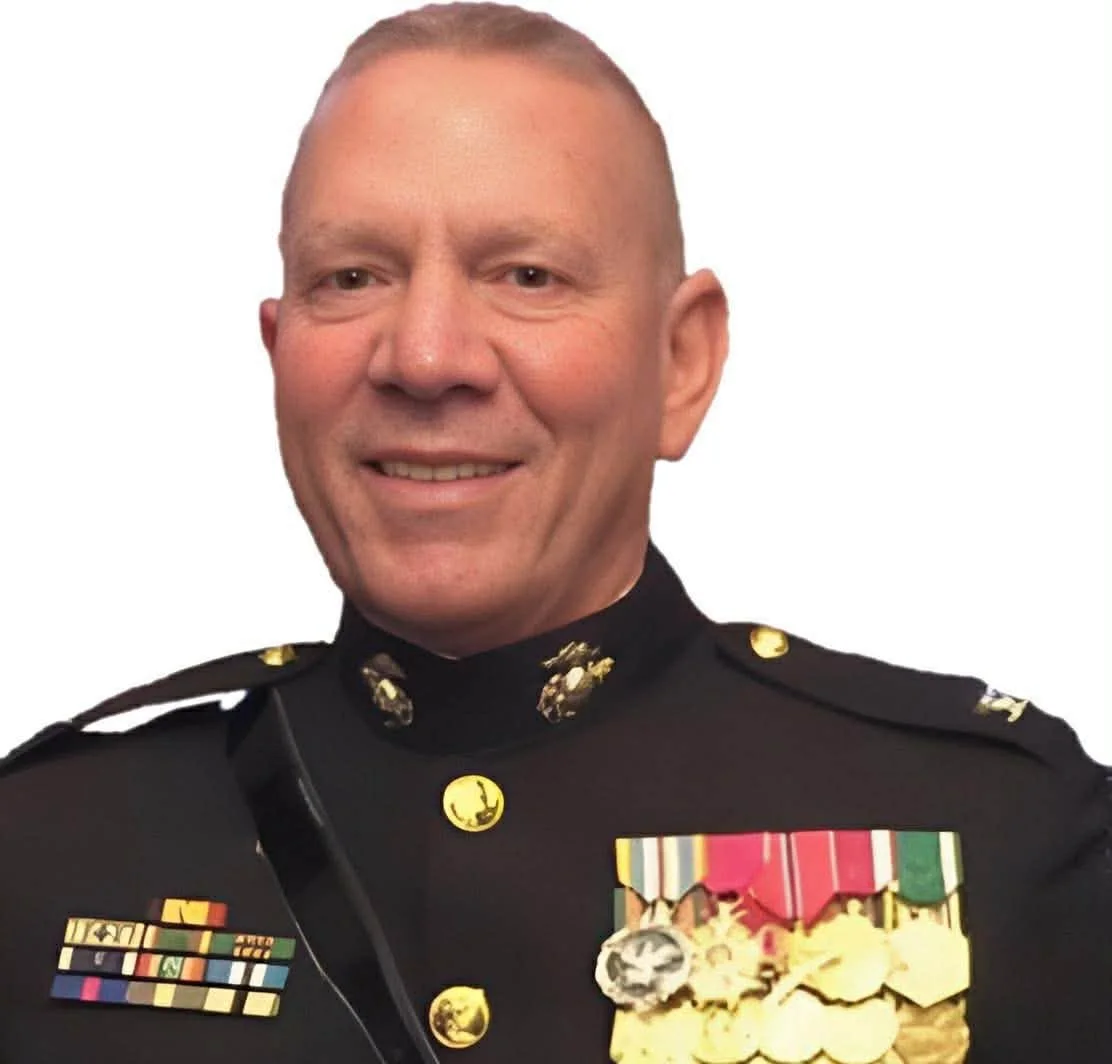
GUEST BIO: WHO IS DAN WILSON?
Dan Wilson is a retired U.S. Marine Corps colonel and combat infantry officer who served nearly four decades in uniform, rising from the enlisted ranks to senior command. He deployed 11 times, led Marines in combat from Desert Storm through Iraq, and commanded at the platoon, company, and battalion levels, earning a reputation for credibility, leadership, and institutional trust. Late in his career, while being considered for promotion to brigadier general, Wilson was falsely accused of sexual assault, leading to a high-profile court-martial. His felony conviction was later overturned and dismissed with prejudice by the Navy-Marine Corps Court of Criminal Appeals for factual and legal insufficiency. Wilson is the author of Undaunted Gladiator, which chronicles his ordeal and examines the failures of the military justice system, due process, and accountability when political pressure overrides evidence.
A Life Shaped by Service
Dan Wilson’s life began far from the halls of the Pentagon or Marine Corps bases. Born in 1960 after his mother—an American medical doctor and missionary—returned from southern Sudan to give birth, Wilson spent his childhood across Africa, living in Sudan, Kenya, South Africa, and Namibia. His father was a pastor; service was not a career choice so much as a way of life.
When Wilson returned to the United States to finish high school in Washington State, he joined the Marine Corps shortly thereafter. Initially drawn by the dream of aviation, he entered through the enlisted ranks with the intention of becoming a pilot. That plan changed during Officer Candidate School. There, he discovered a calling for the infantry—the most direct form of leadership, the place where responsibility is immediate and consequences are real.
Wilson rose steadily. He served as an infantry officer in the Gulf War with Task Force Ripper, fighting alongside 1st Battalion, 7th Marines under then–Colonel James “Mad Dog” Mattis. Over the years, he commanded platoons, companies, and battalions, deploying repeatedly and earning a reputation built on credibility and trust. By 2016, he was approaching the pinnacle of his career and had been told to prepare his records for serious consideration by the next Brigadier General selection board.
Then everything collapsed.
The Allegation That Changed Everything
In 2016, just one week after being informed he was a strong candidate for general officer, Wilson became the subject of a sexual assault allegation involving a child. The accusation stemmed from a dinner party held in his on-base home—a gathering attended by multiple adults, children running through shared spaces, and no opportunity for private contact of any kind.
The accusation escalated immediately. What Wilson understood as an allegation of inappropriate touching was charged by NCIS as rape of a child under the age of twelve—one of the most serious crimes imaginable. He was relieved of duty, isolated in a nondescript office, and left in limbo for months with no information about the investigation unfolding around him.
During this time, NCIS uncovered exculpatory evidence that directly contradicted the allegation. DNA testing on the child’s clothing excluded Wilson entirely. The only male DNA present belonged to the child’s father—despite sworn statements from both parents claiming their laundry was always kept separate. That discrepancy was never pursued. The evidence was withheld from the defense until shortly before trial.
Rather than reassessing the case, investigators doubled down.
From One Charge to Twenty-Seven
As the original allegation weakened, the response was not to stop—but to search. Wilson’s entire 35-year career was scrutinized. Minor incidents that would never have reached a civilian courtroom were elevated into criminal charges. What began as a single accusation ultimately became 27 charges, including multiple felony sexual assault counts alongside trivial allegations such as sending a prank email years earlier.
This strategy worked. At court-martial, Wilson was convicted on one sexual assault charge and several minor offenses. He was sentenced to prison and stripped of his position. His reputation—built over decades—was destroyed in a matter of months.
Exoneration Without Redemption
On appeal, the Navy-Marine Corps Court of Criminal Appeals overturned the felony conviction, dismissing it with prejudice. The court found both factual and legal insufficiency. The government could not retry the case.
Yet instead of dismissing the remaining minor convictions—many of which were only pursued because of the original allegation—the system chose a different path. Prosecutors pressured Wilson into signing an agreement waiving his right to resentencing and a board of inquiry in exchange for “no punishment.” Once he was released, the government reneged.
Wilson was retired with an Other Than Honorable characterization of service and reduced in rank for retirement pay purposes—penalties that effectively stripped him of nearly all veterans’ benefits. The message was clear: even when the system is wrong, it will not fully correct itself.
A Broader Problem, Not an Isolated Case
Wilson’s case unfolded during a period when military leadership faced intense political pressure to prosecute sexual assault allegations aggressively, regardless of evidentiary strength. Senior officials were openly told that credibility was secondary to conviction rates. In this environment, due process became a liability.
Compounding the injustice was a glaring conflict of interest: the same senior judge advocate who conducted a damaging command investigation against Wilson later served as the legal advisor to the convening authority throughout the court-martial and appellate process. The incentive structure rewarded destruction, not accuracy.
WATCH FULL EPISODE HERE
The Cost of Being Right Too Late
Even after exoneration, the damage lingered. Public accusations are permanent. Careers do not rewind. Trust, once shattered, does not simply return because a court issues a ruling.
Wilson’s story is not about denying the seriousness of sexual assault or diminishing the importance of accountability. It is about what happens when institutions abandon balance, when process becomes performance, and when outcomes matter more than truth.
Undaunted Gladiator is not a plea for sympathy. It is a warning. A system designed to protect can become a weapon when safeguards are removed—and when that happens, even the most loyal servants are expendable.
Dan Wilson survived combat. What nearly broke him was the fight at home.