They said No. He Fought back with Bill Brown
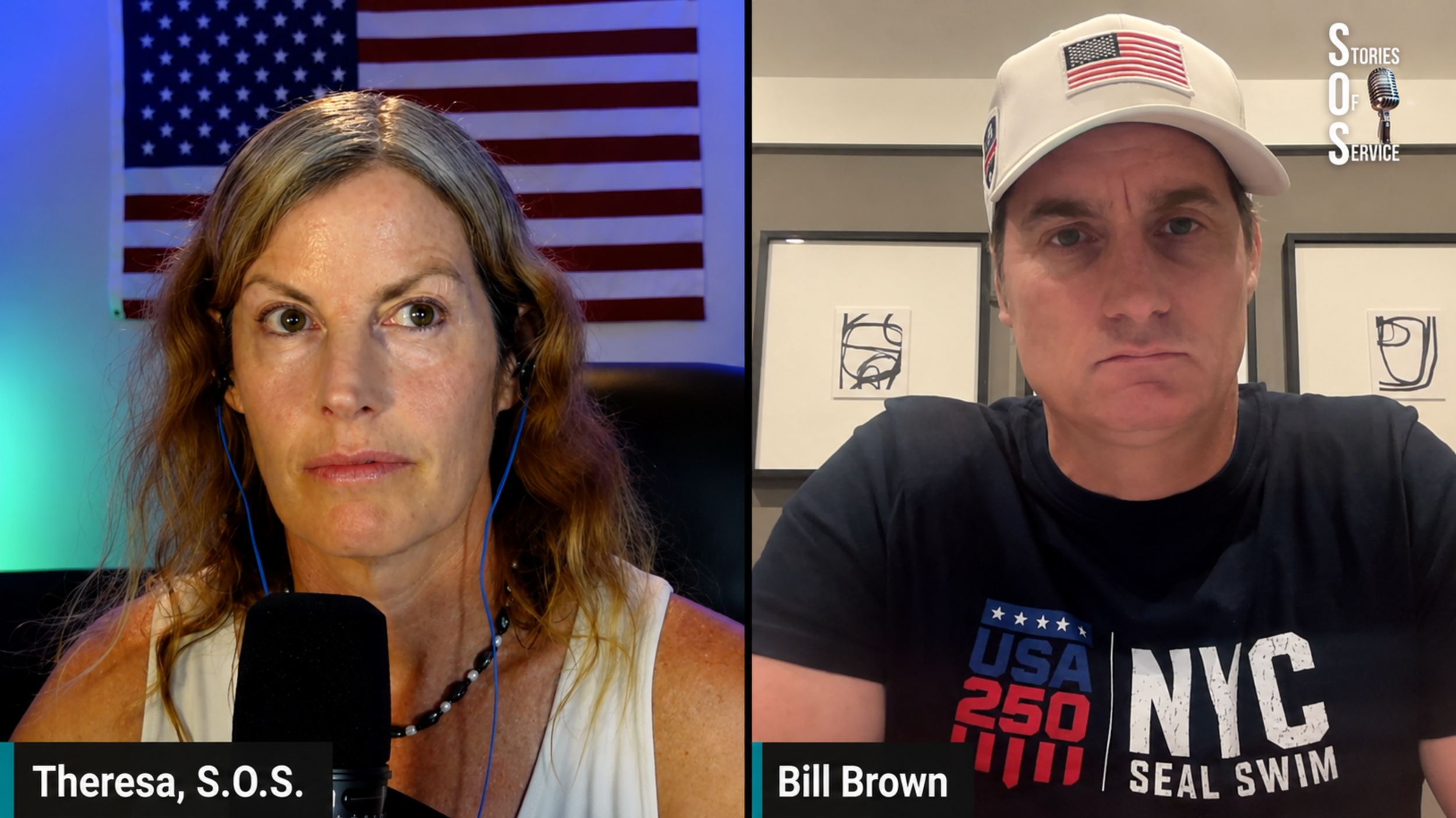
In a time when public discourse is often shaped by division and amplified outrage, meaningful change can feel out of reach. Yet, history continues to remind us that determined individuals—armed with conviction, resilience, and a willingness to speak up—can shift systems that seem immovable. The story of William “Bill” Brown is one such example: a case study in modern advocacy that demonstrates how personal struggle can evolve into lasting legislative impact.
At its core, this story is not just about one man’s fight against discrimination. It is about what happens when advocacy moves beyond conversation and becomes action—organized, persistent, and rooted in purpose.
Bill Brown: Advocacy Rooted in Service
Bill Brown’s path into advocacy wasn’t accidental—it was built on a foundation of service, observation, and a growing awareness that systems don’t always work the way they’re intended to. Like many who have served, he saw firsthand how gaps in leadership, accountability, and support can impact not just missions, but people.
What sets Brown apart is his ability to move beyond frustration and into action. Rather than simply pointing out flaws, he focuses on understanding the structure behind them—how policies are applied, where they fail, and what needs to change to make them work as intended. His perspective is shaped by both experience and a willingness to engage in difficult conversations, even when those conversations challenge long-standing norms.
Brown’s advocacy is not about noise—it’s about clarity. He emphasizes standards, accountability, and the importance of maintaining integrity within institutions that rely on trust. At the same time, he recognizes that real change requires more than criticism; it requires thoughtful engagement, education, and a commitment to improving systems without losing sight of the people within them.
In a space where discussions can quickly become polarized, Bill Brown brings a measured voice—one that pushes for better outcomes while staying grounded in the realities of service and leadership.
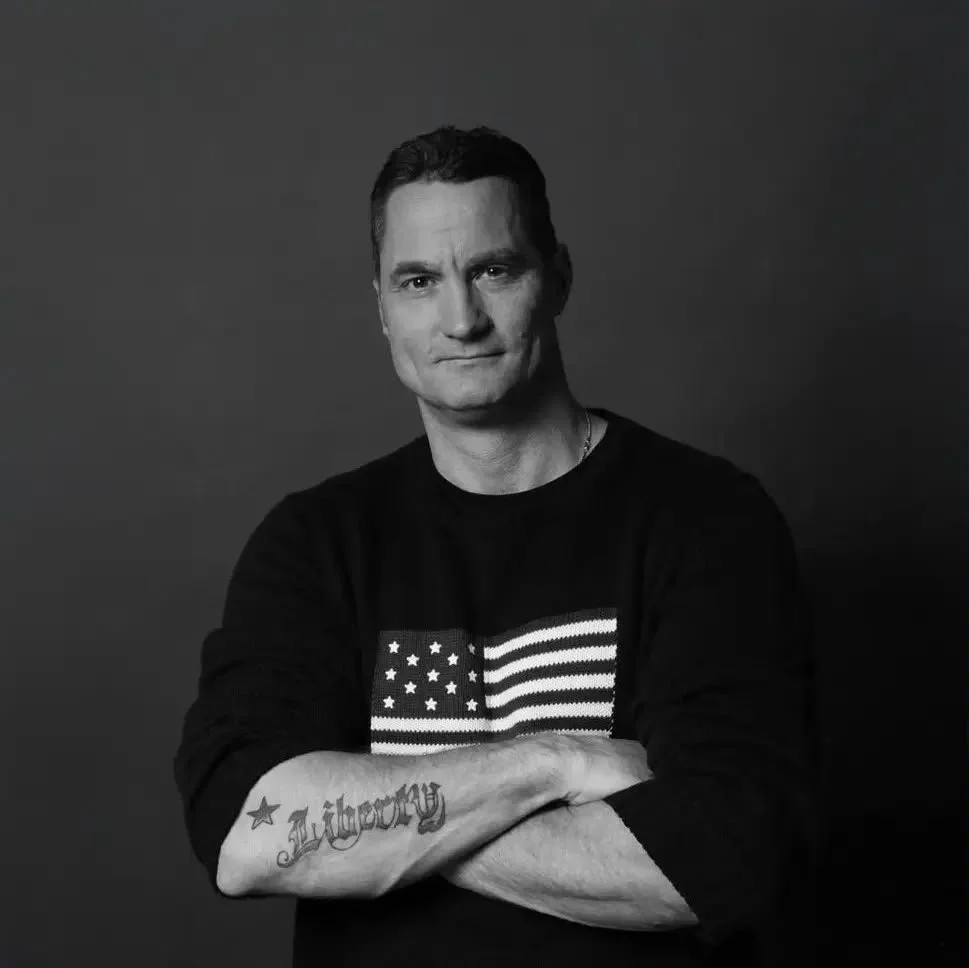
GUEST BIO: WHO IS BILL BROWN?
Bill Brown is a former U.S. Navy SEAL turned attorney and veteran advocate who became known for leading a successful campaign to change New Jersey law to include veterans as a protected class against discrimination.
After facing what he believed was discrimination in his legal career, he discovered that veterans were not explicitly protected under the state’s Law Against Discrimination. Instead of stopping at the court level, he took the fight to lawmakers—organizing support, engaging the public, and building a coalition of veterans and advocates. His efforts led to a unanimous legislative vote, officially granting veterans protected status in New Jersey.
Beyond legal advocacy, Brown is also the founder of the New York City SEAL Swim, a patriotic endurance event that brings together veterans, first responders, and civilians while supporting causes like veteran transition and mental health.
In short, he’s known for combining legal expertise, advocacy, and community-building to push for systemic change that impacts veterans at a broader level.
The Breaking Point: A Legal Gap Exposed
After facing workplace challenges and attempting to seek legal recourse, Brown encountered a startling reality: under New Jersey law, veterans were not explicitly protected as a class against discrimination. While numerous groups were covered under existing statutes, veterans—despite their service—were not.
This wasn’t just a legal oversight. It was a structural blind spot.
For many, this would have been the end of the road. A judge’s ruling often signals closure. But for Brown, it became a turning point. Rather than accepting defeat, he reframed the outcome as direction. If the courts couldn’t resolve it, then the solution had to come from the legislature.
That shift—from reacting to acting—marked the beginning of a full-scale advocacy campaign.
Strategy Over Silence: Taking the Fight Public
Effective advocacy rarely happens in isolation. Recognizing this, Brown moved quickly to build awareness and momentum. He reached out to lawmakers, shared his story, and highlighted the broader implications of the legal gap.
Importantly, he didn’t rely on a single approach. Instead, he combined multiple strategies:
Direct engagement with legislators
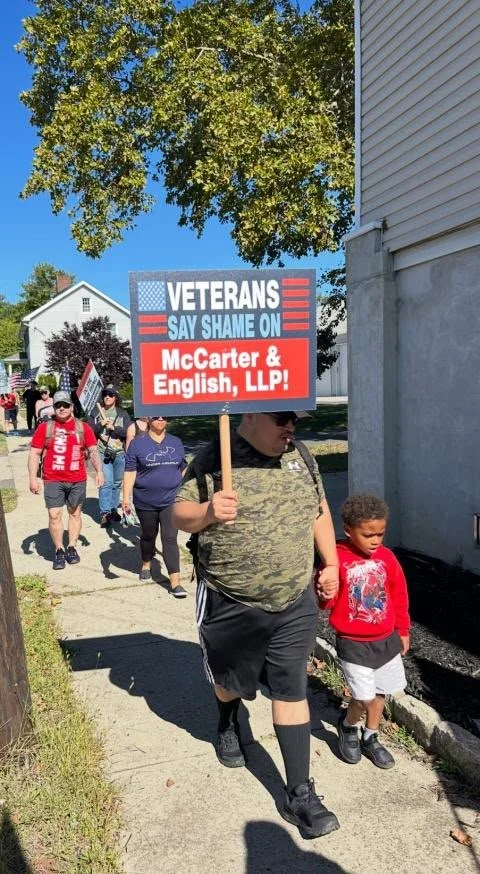
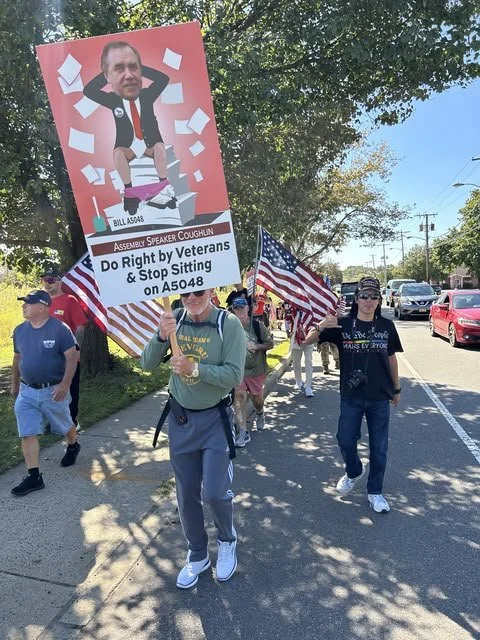
Public appearances and town hall participation
Coalition building with veterans, families, and supporters
Use of media and storytelling to amplify the issue
This multifaceted approach ensured that the conversation extended beyond legal circles and into the public domain.
As described in the podcast, Brown’s willingness to step into public forums—even in uncomfortable or high-pressure environments—played a critical role in gaining visibility for the cause .
The Power of Coalition: Turning One Voice into Many
No advocacy effort succeeds alone. One of the most significant factors in this campaign was the ability to build a coalition—bringing together individuals and groups who shared a common goal.
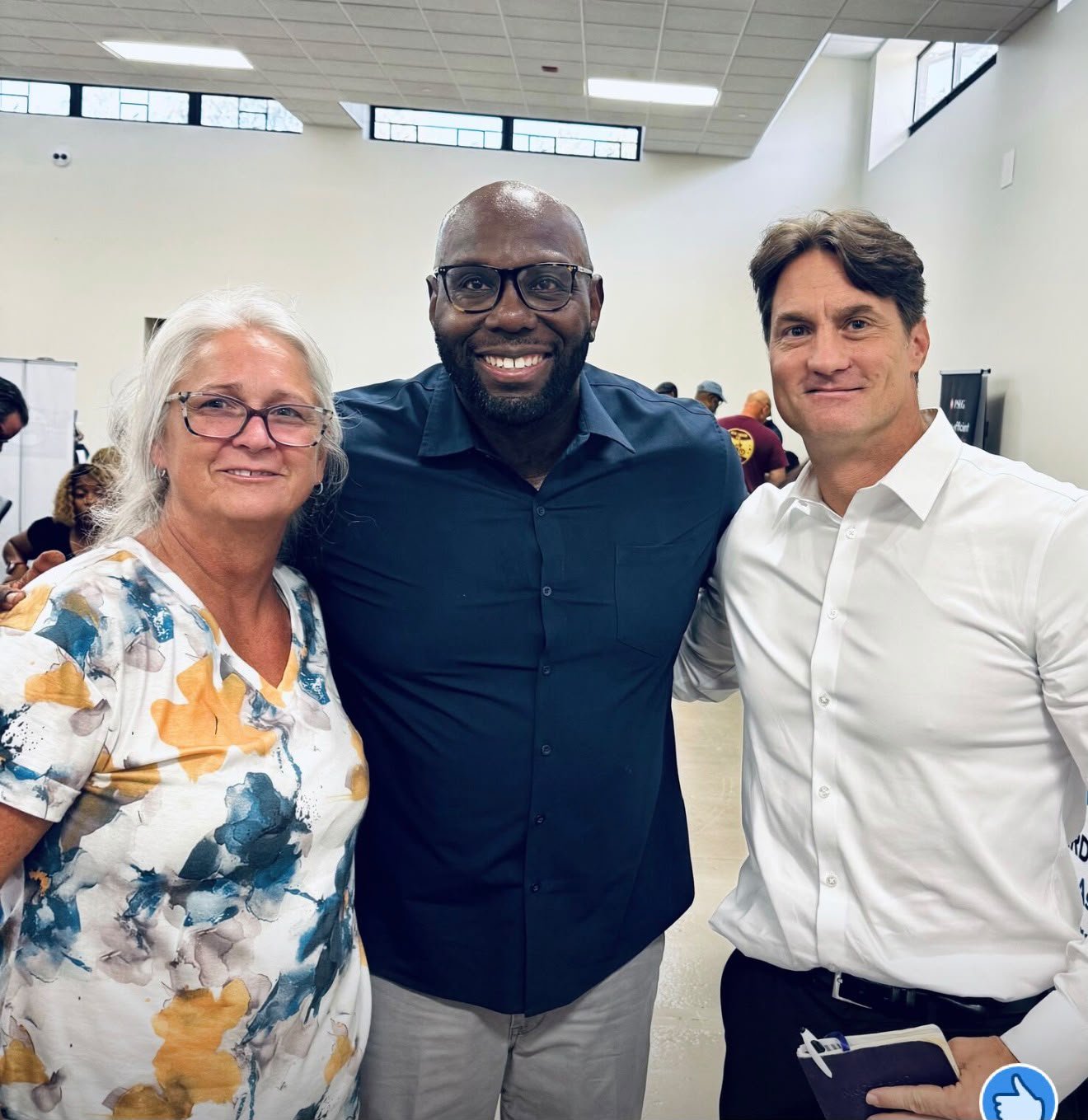
Veterans, Gold Star families, and community leaders became part of the movement. Their involvement transformed the issue from a personal grievance into a collective demand for change.
Coalition-building did more than increase numbers. It added credibility, diversity of perspective, and emotional weight. When multiple voices tell the same story from different angles, it becomes harder for decision-makers to ignore.
This is where advocacy evolves—from persuasion to pressure.
Visibility and Momentum: Making the Issue Impossible to Ignore
Advocacy often requires a delicate balance between professionalism and disruption. Brown understood that while respectful dialogue is important, visibility is essential.
Public demonstrations, symbolic actions, and strategic messaging helped keep the issue in front of both lawmakers and the public. These efforts were not about theatrics—they were about ensuring the problem stayed visible long enough to demand action.
At the same time, the campaign maintained a clear and consistent message: veterans deserve equal protection under the law.
Clarity matters. When the goal is easy to understand, it becomes easier for others to support.
The Outcome: From Advocacy to Legislation
The result of this sustained effort was decisive. The New Jersey legislature passed the amendment unanimously—37-0 in the Senate and 71-0 in the General Assembly—officially recognizing veterans as a protected class under the state’s Law Against Discrimination.
This outcome was not accidental. It was the product of:
Persistence in the face of setbacks
Strategic engagement with key stakeholders
Effective coalition-building
Clear, consistent messaging
It also demonstrated something critical: advocacy, when done effectively, can translate directly into policy change.
Beyond the Win: Redefining Advocacy
While the legislative victory is significant, the broader impact of this story lies in what it teaches about advocacy itself.
First, advocacy is not reserved for institutions or organizations. Individuals—when equipped with knowledge, strategy, and determination—can drive meaningful change.
Second, setbacks are not endpoints. They are often signals to shift approach, not abandon effort.
Third, community matters. Change accelerates when people come together around a shared purpose.
Finally, advocacy is not just about opposition—it is about construction. It is about identifying gaps and working to fill them, not just pointing them out.
A Larger Reflection: Advocacy in a Divided Era
In today’s environment, where social media often amplifies division, advocacy faces unique challenges. Algorithms tend to reward outrage over nuance, making it harder to foster constructive dialogue.
Yet, as this story shows, meaningful advocacy doesn’t rely on outrage alone. It relies on clarity, persistence, and the ability to bring people together rather than push them apart.
That balance—between passion and purpose—is what ultimately drives sustainable change.
WATCH FULL EPISODE HERE
Conclusion: What This Story Leaves Behind
The story of Bill Brown is not just about a law being changed. It is about a mindset.
It is about recognizing injustice, refusing to accept it, and committing to the long process of making it right. It is about understanding that systems don’t change overnight—but they do change when enough pressure is applied in the right way.
Most importantly, it is a reminder that advocacy is not a passive act. It is an active, ongoing process—one that requires courage, resilience, and a willingness to stand up, even when the outcome is uncertain.
Because sometimes, the difference between a closed door and a new law is simply the decision to keep knocking.
Editor’s Note
This piece examines the intersection of personal experience and systemic reform through the story of Bill Brown—a veteran whose advocacy helped reshape legal protections for those who have served. While the events and perspectives shared here reflect one individual’s journey, they also highlight a broader conversation about accountability, representation, and the gaps that can exist within established systems.
The intent of this article is not to assign blame, but to encourage thoughtful dialogue about how policy evolves, how advocacy influences change, and how communities can work together to address structural shortcomings. Readers are encouraged to approach this story with both curiosity and critical thinking, recognizing that meaningful progress often begins with uncomfortable questions and persistent voices.
As always, we remain committed to amplifying stories that challenge assumptions, promote transparency, and contribute to informed discussions within the veteran and public communities.