When Advocacy Turns Controversial: Inside My Exit from the Military Influencer Conference
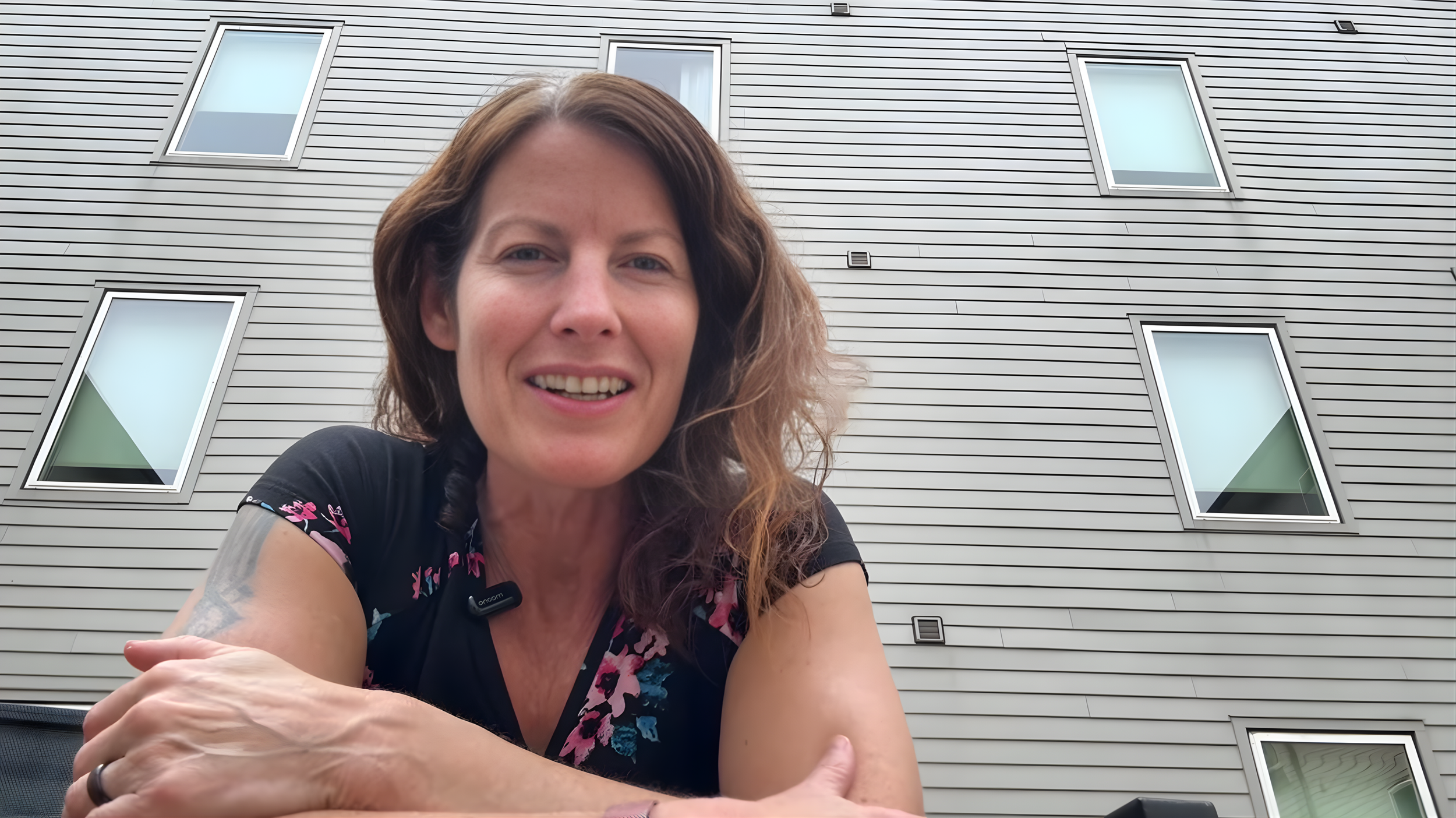
The Military Influencer Conference (MIC) is designed to bring together voices from across the veteran and military community—leaders, advocates, creators, and professionals working to shape conversations that matter. But sometimes, the very space meant to foster dialogue becomes the setting for conflict.
In September 2025 in Atlanta, that tension became personal.
On the second day of the conference, I was asked to leave following an incident involving another veteran influencer. What unfolded wasn’t a single moment of disagreement, but the culmination of months of friction, misinterpretation, and ultimately, public accusation.
How It Started
About eight months prior, I connected with fellow veteran influencer Janae Sergio. Our initial interaction was professional and promising. We discussed collaborating on a podcast episode focused on her work on sexual assault awareness and other broader issues within the veteran space. I had already been somewhat familiar with her from a previous MIC event, where she was promoting her book.
Over time, we stayed in touch and followed each other’s content. Like many in the advocacy space, we were both vocal, opinionated, and engaged in complex, often sensitive topics. I appreciated the way she presented content.
But it became clear fairly quickly that we didn’t always see eye to eye on certain issues. Especially alleged sex crimes which are often hard to prosecute partially I believe due to lack of evidence and sometimes bias.
The Growing Divide
My advocacy has focused in part on cases involving individuals I believe were falsely accused of many crimes not just sexual ones—stories that require deep research, including reviewing court documents, speaking with families, and sometimes corresponding directly with those incarcerated. It’s not easy work, and it’s often controversial.
Janae began publicly challenging some of my posts, particularly on LinkedIn. Her comments questioned the legitimacy of the cases I was covering and the broader message behind my advocacy. At times, these disagreements spilled into private conversations, where we attempted to clarify intentions and find common ground.
There were moments on text messages where it seemed like we had resolved our differences.
But the tension didn’t fully go away.
At one point, a general post I made about advocacy—highlighting how some approaches can go too far—was interpreted by her as a direct attack. She responded publicly, telling me to “stay in my lane” and calling my messaging unstable. That was a turning point. Instead of continuing the cycle publicly, I chose to block her.
WATCH THE VIDEO HERE
Attempts to Reconcile
Despite that decision, I didn’t view the situation as irreparable. When we later found ourselves at the same event—the August 2025 VFW convention in Columbus, Ohio—I felt the weight of unresolved conflict. I reached out privately, extending an olive branch in hopes of resetting the tone.
There was no response.
At that point, I moved on, assuming we would simply coexist in the same professional space without further interaction.
What Happened at MIC
Fast forward to late September in Atlanta.
Late one evening on the day MIC kicked off, Janae posted a video on social media accusing me of supporting predators. The claim wasn’t limited to a specific disagreement—it broadly characterized my entire body of advocacy work as harmful. For someone whose work is rooted in careful research and a commitment to due process, that accusation carried serious weight.
The video also referenced the founder of Parade Deck, the organization hosting part of the event, citing the founder’s past sex crime conviction. The implication was that my presence on their stage reflected alignment with that history.
What raised questions for me was timing. If this information had been known to Janae prior to MIC as she stated in her video clip—and if it was a genuine concern about safety or ethics—why surface it in this way, at that moment? I have reason to believe many organizations that worked with Parade Deck knew of the founders past, including MIC and the VFW. They choose to work with him regardless. This raises a broader issue of what society does with people who have paid their debt to society. However, I will leave that question of reflection for another time.
Escalation on the Ground
The situation didn’t stay online.
The next morning after the video circulated, I was approached at MIC and confronted in person by another female attendee. The interaction was aggressive, involving personal accusations and physical gestures that crossed a line. Shaken by the confrontation as it triggered bullying behavior in my past, I reported the incident to hotel security, but it was clear that tensions were escalating.
Within the hour, I was informed by event organizers that I needed to leave the conference.
No formal investigation. No opportunity to present context. Just a decision.
To their credit, the organizers framed it as a business decision—one aimed at minimizing disruption and protecting the overall environment for attendees. And while I may not agree with how it was handled, I understand the position they were in.
Events like MIC operate at the intersection of community and brand. When conflict becomes visible and potentially volatile, decisions are often made quickly.
Several days later, veteran influencers — including Elizabeth Hartman and Medal of Honor recipient Dakota Meyer — tried to damage my reputation. I reached out privately to discuss but was ignored. After repeated attacks on my Instagram, I went offline for a few days to reflect.
Taking that time away helped me do three things:
Assess the facts calmly. I reviewed the posts, the timeline, and my own actions to identify where misunderstandings began and whether I’d made mistakes that needed owning. Distinguishing opinion from fact made it easier to decide what required a response and what didn’t.
Prioritize mental health and boundaries. The volume and tone of the attacks were draining. Stepping back allowed me to set boundaries — limiting notifications, muting or blocking abusive accounts, and leaning on close friends and mentors for support. Protecting my well-being was essential before attempting public repair.
Plan a measured response. Rather than react emotionally, I prepared a clear, factual statement addressing the core issues, acknowledged any valid points, and invited private, constructive conversation where possible. I also outlined content and engagement guidelines for my channels to prevent future escalations and to communicate the standards I expect in community interactions.
The experience was painful but instructive. It reinforced the importance of transparency, calm communication, and firm boundaries online. Moving forward, I’m committed to responding with integrity: acknowledging mistakes when they’re real, correcting misinformation, and refusing to engage in cycles of public shaming.
The Broader Issue
This experience highlights something larger than a personal dispute.
The veteran advocacy space is complex. It includes voices focused on supporting survivors, those advocating for due process, and many working in areas where those missions can appear to conflict. These are not easy conversations, and they rarely fit neatly into categories.
But when disagreement turns into public labeling—when people are reduced to “unsafe” or “harmful” without room for nuance—it shuts down the very dialogue that advocacy depends on.
There’s also a growing dynamic within influencer culture where narratives can spread quickly, often without full context. A short video or post can shape perception in minutes, while the reality behind it is far more layered.
Moving Forward
Leaving the conference wasn’t how I expected this week to go. I had plans to attend events, connect with colleagues, and continue building within a community I care deeply about.
But advocacy doesn’t exist in a single room or event.
It exists in the work itself—in the willingness to ask difficult questions, to examine uncomfortable cases, and to stand by principles even when they’re challenged.
This experience reinforced something important: being in this space requires resilience, clarity of purpose, and a commitment to staying grounded, even when things get messy. In fact, weeks later, Janae acknowledged false accusations exist and even entered into discussions with the same advocate for men we believe have been falsely accused of sex crimes. I believe she was attempting damage control as she removed her originial video that sparked the debate. However, to this day, she has never owned that she made up lies on my work.
I’m grateful for the support I’ve received from close friends, colleagues, and my family throughout this ordeal. And while this chapter didn’t unfold the way I hoped, it doesn’t change why I do this work.
Final Thoughts
At its best, the military and veteran community is built on shared values—integrity, accountability, and service. Those values don’t disappear when conversations get difficult.
If anything, that’s when they matter most.
Disagreement is inevitable. But how we handle it—whether we escalate or engage, label or listen—shapes the kind of community we’re building.
And that’s a responsibility all of us share.
Many have asked me since this happened if I am ok. I am. I have since moved on and wish Janae no ill will. I am proud of myself for standing up to a bully and doing so was my closure. I am thankful others including a former podcast guest have tried to warn of her tactics as well. Janae continues to be celebrated in veteran circles, ones where they are fully aware of this incident and others like it, including one with Nine Line Apparel with a lawsuit of defamation, which while dropped in court raised questions on her social media tactics.
I share this saga only because I believe it’s possible she will smear other veterans whose messages she does not like. You are not alone if this has happened to you. After I posted this story, numerous people approached me with similar stories of her harm.
There are allegations she uses smears to promote herself, allegations she buys followers online, and while in the Navy a case where a man she accused of a sex crime was later dropped at court martial. Others question her “combat veteran” status. This podcast here is informative on these claims.
Hopefully one day she will stop denegrating others she deems a threat and realize that it takes a village to make positive changes. We must lift one another up in the advocacy space, and not tear each other down.