Are Veterans Getting too much Disability? with Clay Simms
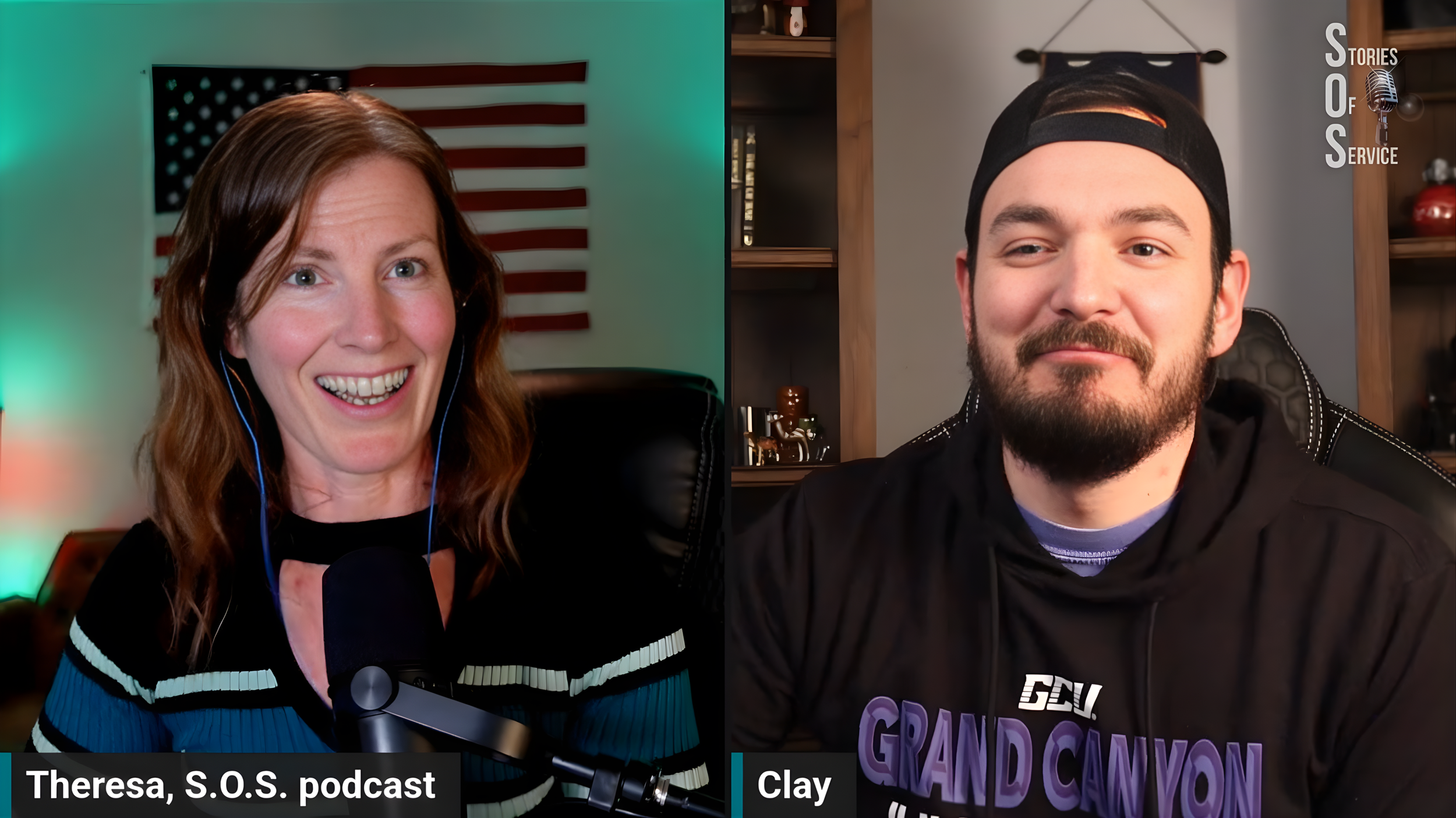
Veterans disability has become a lightning rod in public discourse. On one side are critics who argue veterans receive too much. On the other are voices insisting service members deserve everything they can get. Lost in the noise is a quieter, more troubling reality: thousands of veterans never receive the benefits they’ve earned—not because they don’t qualify, but because the system is confusing, inconsistent, and intimidating by design.
Clayton Sims didn’t set out to become a leading educator in VA disability. He didn’t plan to disrupt an entire cottage industry built on fear and misinformation. His journey began the same way many veterans’ frustrations do: a rushed appointment, vague guidance, and the sinking feeling that something wasn’t right.
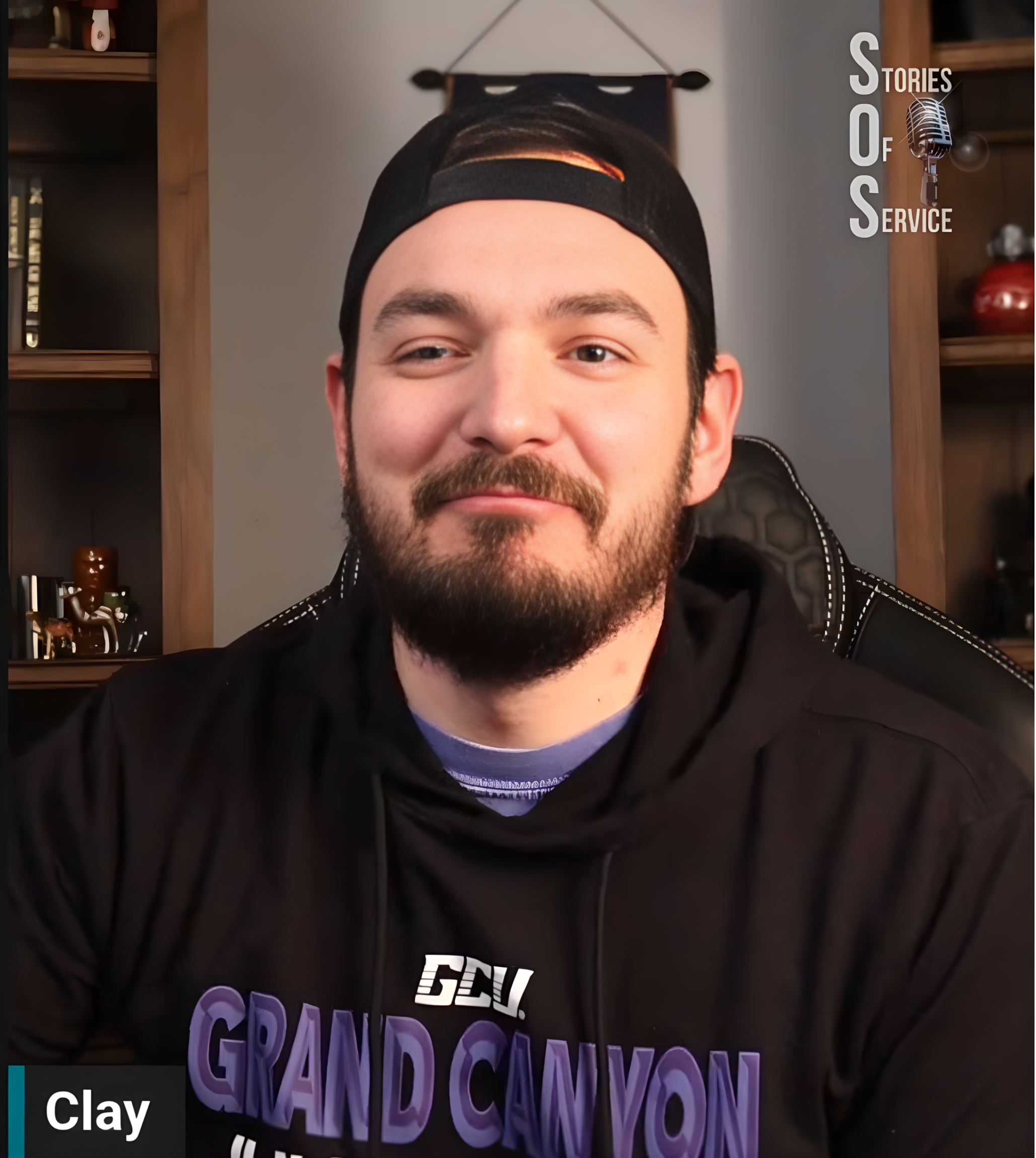
GUEST BIO: WHO IS CLAYTON SIMMS?
Clayton Simms is a U.S. Marine Corps veteran, former federal employee, and prominent advocate for veterans navigating the VA disability system. After serving ten years in the Marine Corps—eight active duty and two in the reserves—he became frustrated with the bureaucratic challenges and lack of guidance many veterans face when filing disability claims. His experiences, including multiple deployments to Afghanistan, Iraq, and Syria, combined with his background in psychological operations, gave him a unique perspective on systems, messaging, and navigating complex processes.
After separating from the military, Clayton initially worked as a contractor and later as a GS-13 federal employee. During that time, he began helping fellow veterans understand and submit VA disability claims, recognizing that many were being exploited by private consultants charging high fees for information veterans could access themselves.
To expand his reach, Clayton launched a YouTube channel focused on educating veterans about VA claims, providing clear guidance and resources to help them advocate for themselves. Today, he works full-time on this platform, empowering veterans to navigate the VA system confidently, file claims independently, or approach VSOs fully informed.
In short, Clayton Simms is a veteran, educator, and advocate dedicated to demystifying the VA disability process and ensuring veterans receive the benefits they’ve earned.
A Marine Without a Safety Net
Clayton grew up in Louisville, Kentucky, raised by a single mother working fast food. College wasn’t a realistic option, and staying home meant a future he didn’t want. During his senior year of high school, he wandered through a mandatory college fair with no real plan—until a Marine recruiter struck up a conversation. Around the same time, Clayton was reading With the Old Breed, Eugene Sledge’s iconic memoir of the Pacific War. That combination sealed it.
Two days after graduating high school, Clayton shipped to Marine Corps boot camp.
He chose infantry despite strong pressure to pick something else. With a high ASVAB score, recruiters tried steering him toward less physically punishing jobs. Clayton refused. He wanted infantry—and by chance became an 0341 mortarman, the same role he’d read about in high school. That coincidence would stick with him.
Over ten years in uniform—eight active-duty and two in the reserves—Clayton deployed repeatedly to Afghanistan, Syria, Iraq, and aboard multiple amphibious ships. By his mid-20s, he had six or seven deployments behind him. He loved the deployed life but felt the toll. Burnout, family considerations, and constant separation from his children pushed him toward the exit.
Leaving the Marine Corps, however, proved far harder than joining it.
A Rough Transition Out
Clayton’s transition was anything but smooth. Despite laterally moving into psychological operations—a field with clear civilian applications—he left active duty without a solid plan. He took terminal leave, searched for jobs, and came up empty. With nowhere else to go, he stayed in the barracks for months after separating, technically homeless but sheltered by friends.
Eventually, he landed a contracting job teaching psychological operations and information operations near Washington, D.C. It was a lifeline—but the stress of uncertainty lingered. At the same time, Clayton took his first steps into the VA disability process.
Those steps would change everything.
A Five-Minute Appointment That Sparked a Mission
Clayton did what everyone told him to do: he went to a Veteran Service Officer. In theory, VSOs exist to help veterans navigate claims for free. In practice, quality varies wildly.
His appointment lasted less than ten minutes.
The VSO glanced at Clayton’s records, asked what he wanted to claim, and filed three conditions. Clayton, unsure and uneducated about the process, trusted the guidance. Six months later, he received a 70% rating.
At first, he felt grateful. Then he started learning.
YouTube’s algorithm introduced him to VA disability educators like Combat Craig. As Clayton watched more videos and cross-referenced his own service records, he realized something unsettling: he had left legitimate claims on the table. Evidence existed—not always in medical files, but in deployment health assessments, awards, and documented incidents.
When Clayton returned to the VSO to ask about filing additional claims, the response was blunt: You’re lucky to have 70%. Take it and be grateful.
That didn’t sit right.
Learning the System—and Outsmarting It
Clayton decided to learn the VA disability process himself. He read regulations, studied policies, and dissected how claims actually worked. His background in psychological operations—understanding systems, messaging, and power dynamics—gave him an edge.
He filed his own follow-on claims. The results were straightforward and successful.
Soon, friends preparing to separate started asking for help. Clayton noticed a disturbing trend: many were being targeted by private “claim consultants” charging $8,000, $12,000, even $15,000—often for information veterans could access for free if they knew where to look.
Clayton helped them instead. No fees. Just education.
What started as informal guidance snowballed into something bigger.
Filling a Gap No One Else Would
A friend—whose girlfriend had exploded on TikTok with millions of followers and major brand deals—suggested Clayton try YouTube. That same day, Clayton went to Best Buy, dropped several thousand dollars on equipment, and started filming.
The early days were brutal.
Clayton worked full-time as a contractor, later as a GS-13 federal employee. He had four kids. Nights were spent editing, researching, filming, and posting. For more than two years, he produced content almost every night with little payoff. Growth was slow. Burnout was constant.
Then a few videos took off.
Clayton realized he wasn’t just sharing information—he was filling a massive void. Veterans didn’t need someone to scare them or upsell them. They needed someone to explain the process clearly and honestly.
From Government Desk to Full-Time Educator
By 2022, Clayton had transitioned from contractor to federal employee, doing essentially the same job in the same seat. The stability was welcome, but the grind continued. YouTube became a second full-time job.
When the federal government announced a deferred resignation program in early 2024, Clayton saw his opening. He took it immediately and committed fully to his platform.
By late 2024, Clayton Sims was working for himself—educating veterans full-time.
WATCH FULL EPISODE HERE
Why Clayton’s Story Matters
Clayton isn’t anti-VSO. He isn’t anti-government. And he isn’t telling veterans they should expect 100% ratings automatically. His message is simpler—and more radical:
Veterans deserve to understand the system that governs their benefits.
Knowledge changes everything. It allows veterans to advocate for themselves, to spot bad advice, and to avoid predatory practices. It turns fear into agency.
Clayton’s platform—built on education instead of exploitation—empowers veterans to either file claims independently or walk into a VSO’s office prepared, informed, and confident.
In a system that often feels overwhelming by design, that kind of clarity is revolutionary.
And it all started with one frustrated Marine realizing five rushed minutes wasn’t good enough.
Learn More:
CivDiv YouTube - https://www.youtube.com/live/ZgoF9_lg...
EBVA claims - https://www.ebvaclaims.com/
👥 Connect with Stories of Service Podcast