Betrayal of Command with Asad Khan
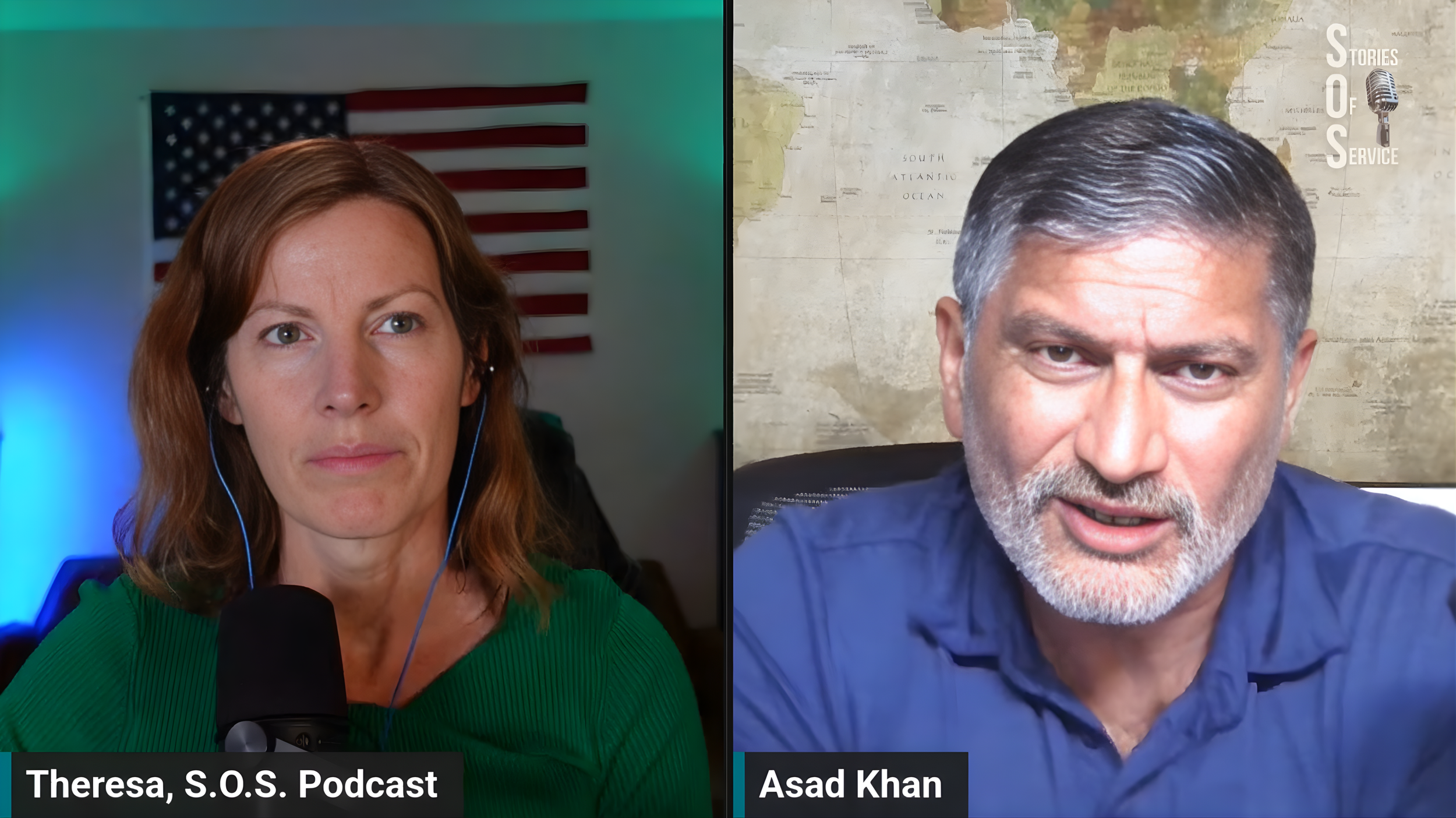
In the echoes of modern military history, few stories capture the intersection of personal heritage and the harsh friction of high-level command like that of retired U.S. Marine Lieutenant Colonel Asad Khan. On a recent episode of the Stories of Service podcast, hosted by Theresa Carpenter, Khan laid bare the realities of early combat operations in Afghanistan—a journey that began with his unique cultural background and ended with a principled stand against institutional failures.
His story, detailed in his book Betrayal of Command, is not merely a chronicle of war, but a masterclass in the moral weight of leadership.
From Refugee to Marine: A Legacy of Service
Asad Khan’s path to the Marine Corps was paved by a deep sense of gratitude and a storied family lineage. Immigrating to the United States from Pakistan as a refugee in 1970, Khan felt an intrinsic debt to the nation that offered his family sanctuary.
"I wanted to be able to give something back to the country that allowed my family and I refuge," Khan shared. "The military tradition and being in the military is a strong part of who we are and our DNA."
Despite an early, unfulfilling stint in the Army, Khan found his calling in the Marine Corps. He was drawn to its rigorous standards and the "ethos of doing things the hard way." His career eventually led him through 15 cycles as a drill instructor at MCRD San Diego and roles as a foreign area officer, specializing in South Asia and the Middle East. It was this specific expertise that made him indispensable following the attacks of September 11, 2001.
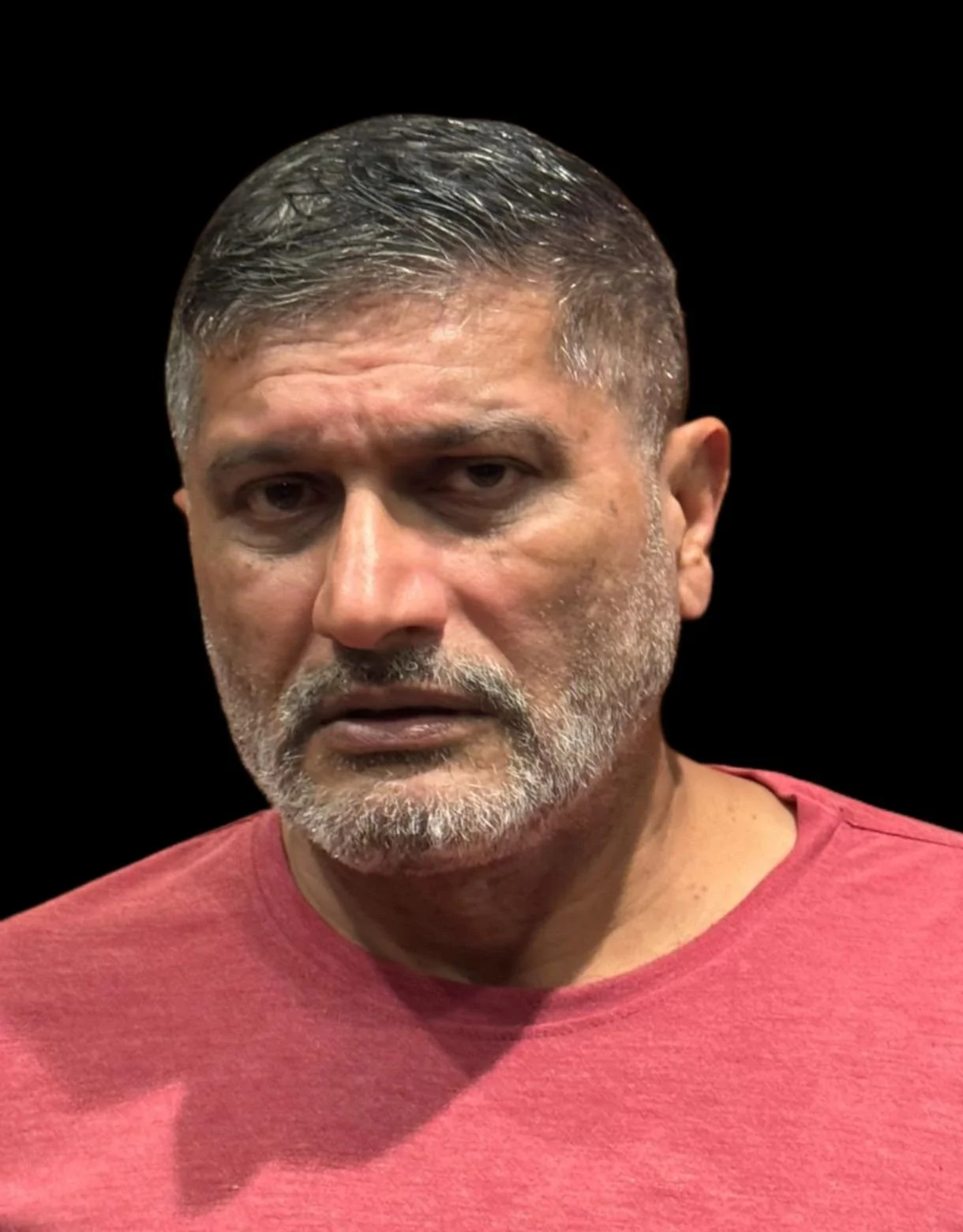
GUEST BIO: WHO IS ASAD KHAN?
Asad Khan is a retired Marine Infantry Officer and a leading voice on military accountability and operational ethics. An immigrant who arrived in the U.S. as a refugee from Pakistan, Khan rose through the ranks to become a primary architect of modern Marine doctrine, co-authoring the Corps' foundational manuals on planning and operations.
A graduate of the elite School of Advanced Warfighting and a Foreign Area Officer, Khan possessed the rare cultural and linguistic expertise required to lead the first Marine units into Afghanistan following 9/11. During Operation Enduring Freedom, he facilitated critical basing in Pakistan, reopened the U.S. Embassy in Kabul, and led historic combat engagements in the Afghan mountains.
Khan is the author of Betrayal of Command, a memoir detailing his relief from command after clashing with senior leadership over institutional politics and the moral weight of duty. Today, through his platform Centennial 360, he advocates for systemic reform, merit-based leadership, and the bridge between military service and civic responsibility.
The Early Days of Afghanistan: Chaos and Coordination
When 9/11 occurred, Khan was serving as a G3 plans officer. His linguistic skills and cultural understanding immediately caught the attention of senior leadership at CENTCOM. He was soon dispatched to Pakistan—not in a military transport, but on a commercial flight with sensitive gear strapped to his back, eventually taking a taxi to the embassy.
Opening the Doors
One of Khan’s most daunting tasks was reopening the U.S. Embassy in Kabul, which had been shuttered for 15 years. When he asked the ambassador for guidance, her response was quintessential Marine Corps: "You’re a Marine Colonel, figure it out."
Khan coordinated critical logistics, including:
Basing Access: Negotiating with the Pakistani military to secure essential flight paths and basing for combat search and rescue (CSAR) operations.
Refugee Management: Navigating the complex influx of thousands of people across the border to identify foreign combatants.
Tactical Partnerships: Working alongside special forces and local warlords in the rugged mountains of Afghanistan.
The Critique of Command: Strategy vs. Reality
Despite his tactical successes, Khan remains a vocal critic of the strategic decisions that defined the early war. He argues that the invasion was an "emotional, knee-jerk reaction" driven by a desire for revenge rather than a clear-eyed objective.
The "Billion-Dollar" Solution
Khan posits that if the primary goal was capturing Osama bin Laden, there were more efficient, less costly ways to achieve it. He suggested placing a billion-dollar bounty on bin Laden's head, leveraging regional networks rather than a full-scale invasion.
"Once you decide to invade a country, you just bought it. You broke it and you bought it," Khan explained. He noted that even Alexander the Great understood that controlling the Afghan tribes required integration and marriage—a level of commitment that six-month military rotations could never match.
Institutional Failures and the Price of Truth
The core of Khan’s narrative, and the reason for his book's title, Betrayal of Command, lies in the erosion of accountability within the military’s senior ranks. He highlights a culture where junior leaders are expected to execute flawed plans while senior leaders remain shielded from the consequences of their decisions.
Khan pointed to several systemic issues:
Resource Neglect: Units being sent into combat with "deadlined" or faulty equipment, forcing them to scavenge for parts.
Political Expediency: Command decisions being influenced by optics rather than battlefield necessity.
Silence Over Truth: An institutional incentive for officers to remain quiet about failures to protect their careers.
Khan’s own career ended in a firing he attributes to these very politics. However, he remains steadfast in his belief that loyalty to the truth must outweigh loyalty to the institution.
WATCH FULL EPISODE HERE
A Call for Citizenship and Unity
Beyond the battlefield, Khan’s message is one of national unity. Having traveled to over a hundred countries, he maintains that the United States remains a "beacon on the hill," but warns that we are losing our way through internal division and a lack of accountability.
"Be a good citizen," he urged. "Don’t be a dirtbag on the street demanding everything. The world looks up to us, and we’ve got to make sure we’re setting the right damn example."
His work today through the Sentinel 360 project continues this mission, asking uncomfortable questions about national security and the moral obligations of those in power. It is a professional conversation about duty, honesty, and the enduring weight of the Constitution.
Learn More
Follow Asad on YouTube: https://youtube.com/@sentinel360?si=3Q9mNH0jmaCFo8iC
Read his book: https://www.amazon.com/Betrayal-Command-Afghanistan-2001-2004-Leadership-ebook/dp/B0G15K36YL
👥 Connect with Stories of Service Podcast