Cornell Case: Consent, Memory & Evidence Explained
The Cornell sexual assault case raises difficult questions about consent, intoxication, memory and the evidence needed to investigate allegations fairly. When a case attracts widespread attention, selected quotations and social media commentary can shape public opinion before the full record is available.
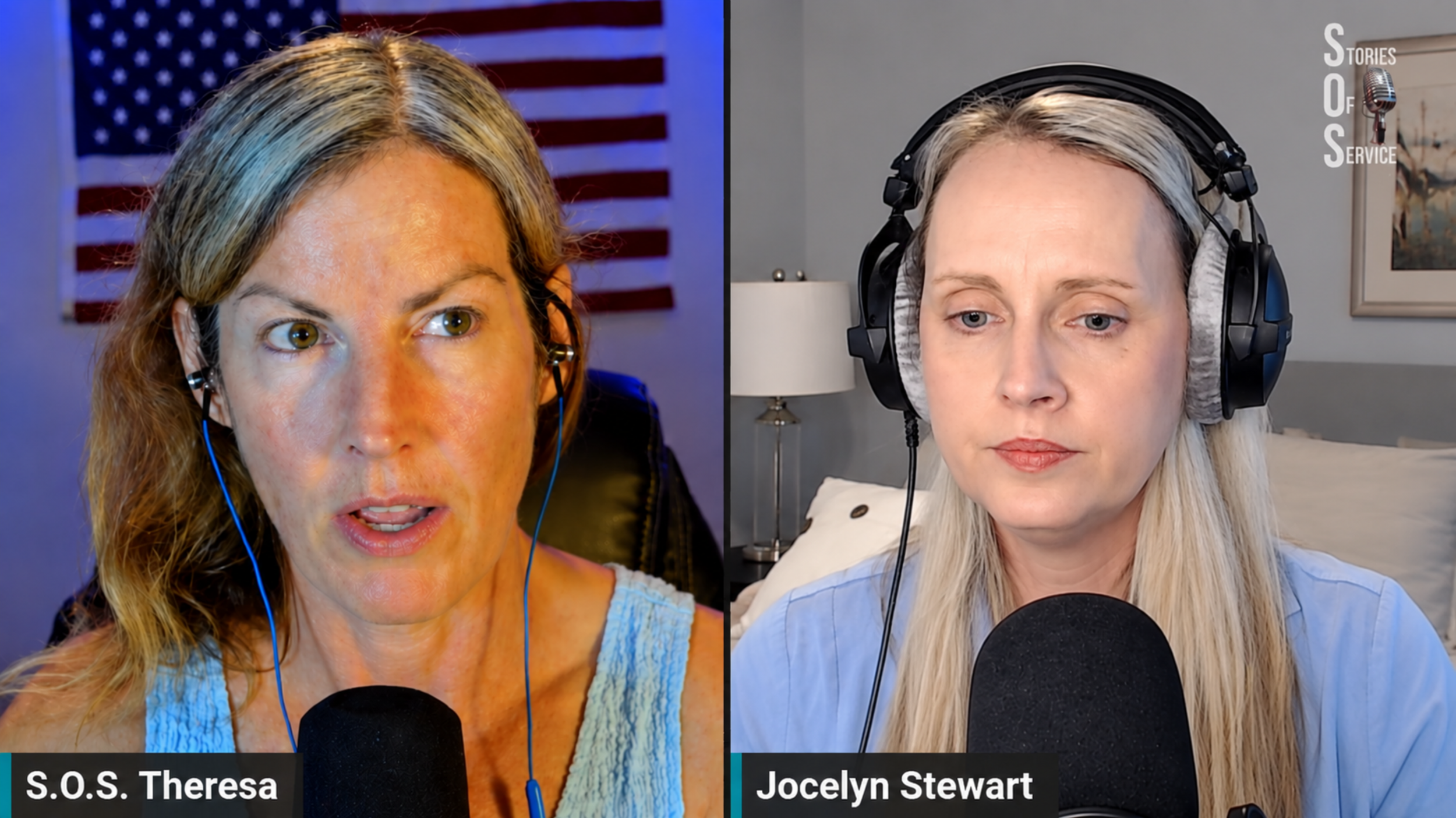
On S.O.S. Stories of Service, host Theresa Carpenter speaks with military defense attorney and former prosecutor Jocelyn Stewart, known online as the “Messy Military Lawyer.” Their conversation examines the reported allegations, potential investigative gaps and differences between campus proceedings and criminal prosecution. Rather than declaring guilt or innocence, they explore what a careful, evidence-based assessment requires.
Understanding the Cornell Sexual Assault Case
The episode discusses allegations connected to an encounter at a Cornell fraternity party in October 2024. According to the timeline presented during the conversation, the complainant reported the incident several weeks afterward. Later civil litigation brought renewed attention to the allegations and the investigation.
Stewart makes clear that her analysis rests on publicly reported information, not the complete investigative record. That limitation matters throughout the discussion.
An allegation, a witness statement and a legal finding are different things. Readers following the Cornell case should distinguish between what someone claims, what available evidence supports and what remains unresolved.

GUEST BIO: WHO IS JOCELYN STEWART?
Jocelyn Stewart is a military defense attorney and former prosecutor with experience handling cases involving sexual misconduct, domestic violence and other sensitive allegations. After serving as a prosecutor, she spent more than a decade in private practice defending service members. Her work emphasizes due process, thorough investigations and careful examination of evidence.
Known online as the “Messy Military Lawyer,” Jocelyn provides commentary on legal issues, military justice and the challenges of evaluating complex allegations. Drawing on her experience in prosecution and defense, she explores how consent, memory, witness testimony and digital evidence affect a case—and encourages audiences to look beyond headlines before reaching conclusions.
Why Police Reports and Recordings Can Differ
One of Stewart’s central concerns is whether attorneys examine original interview recordings instead of relying primarily on police summaries.
A written report necessarily condenses a conversation. It may omit pauses, qualifications, follow-up questions or details that affect how an answer should be understood. The person preparing the summary also makes decisions about emphasis and wording.
Stewart argues that reviewing the source recording is essential to understanding what a witness actually communicated. Investigators and attorneys need the questions alongside the answers.
A summary can organize information, but it cannot reproduce every feature of an interview. Those missing details may become important when evaluating credibility or reconstructing events.
Media Coverage and Missing Context
The conversation also explores the limits of evaluating sexual assault allegations through selected media excerpts.
A quotation may appear decisive without identifying which action, person or moment it describes. Words such as “that” or “it” become difficult to interpret when surrounding statements are unavailable.
Carpenter questions how audiences can reach confident conclusions without access to the underlying material. Stewart describes the publicly available information as an incomplete puzzle.
This does not mean every report should be dismissed. It means readers should ask what a report establishes, whether its sources are available and how much context remains missing. Responsible coverage makes those boundaries clear.
Trauma, Memory and Witness Credibility
Trauma and intoxication complicate the discussion of memory. Stewart distinguishes a person’s sincerity from the accuracy of their recollection: someone may honestly describe an experience while remaining uncertain about its sequence or details.
She also discusses how later reflection can influence the way an event is described. A changing account does not automatically prove dishonesty, but it does create questions investigators should explore carefully.
When was each statement made? What questions preceded it? What information did the person receive afterward?
These questions support a fuller assessment. They allow investigators to examine reliability without reducing the person giving the account to a single inconsistency.
Consent and Intoxication Require Specific Evidence
Consent is central to the Cornell case discussion, but a broad question about an entire evening may obscure important distinctions.
Investigators need to establish what happened during particular acts and encounters. Agreement at one point does not answer every question about later conduct, additional participants or a person’s changing condition.
Stewart also challenges simplistic claims about alcohol and consent. Her discussion emphasizes that legal capacity requires attention to the applicable standards and the evidence concerning the person’s condition.
For readers, the key is specificity. Understanding consent requires examining communication, conduct and circumstances at relevant moments rather than assuming one description resolves the entire encounter.
Digital Evidence and Witness Accounts
Text messages, photographs, videos and other witnesses may help investigators reconstruct events beyond one person’s memory.
Stewart identifies reported messages and images as reasons to investigate whether additional digital evidence existed. She questions what efforts were made to locate and preserve potentially relevant material.
Those questions do not establish that investigators overlooked evidence. They identify information she would want before assessing the investigation.
Witnesses may also have observed different parts of the encounter. Their accounts could corroborate, contradict or clarify particular allegations. Each source needs careful evaluation, including when the observations occurred and whether the witness could reliably describe them.
Title IX Proceedings vs. Criminal Prosecution
The episode highlights an important distinction between university disciplinary processes and criminal proceedings.
Stewart discusses reported Title IX testimony as material that could help investigators understand witness accounts. However, a campus finding does not automatically establish a criminal offense.
The conversation also distinguishes campus affirmative consent standards from the criminal statutes Stewart examined for the episode. Different proceedings operate under different rules, purposes and evidentiary requirements.
Readers should therefore avoid treating a university decision, civil allegation and criminal charge as interchangeable. Understanding which process produced a statement or finding is essential to interpreting its significance and limits.
WATCH FULL EPISODE HERE
Privacy, Anonymity and Due Process
Stewart and Carpenter also examine anonymity, public identification and reputational harm. The discussion considers the use of “Jane Doe” in civil proceedings alongside the public naming of accused individuals.
Stewart raises questions about fairness while condemning threats and harassment. Her concerns reflect the tension between transparency and personal protection.
Public attention can expose people to consequences before allegations are adjudicated. At the same time, privacy questions should not replace examination of the underlying evidence.
The episode encourages listeners to consider both responsibilities: taking allegations seriously and preserving a fair process for evaluating them.
What the Cornell Case Discussion Reveals
The Cornell sexual assault case illustrates why public certainty can outpace available evidence. Consent, memory, digital records and witness testimony must be examined together, with attention to context.
Stewart’s analysis asks listeners to distinguish unanswered questions from established conclusions. Carpenter connects that approach to broader concerns about military justice and institutional accountability.
For the full discussion, watch the S.O.S. Stories of Service episode with Jocelyn Stewart. Their conversation offers a starting point for understanding how investigators can pursue answers while respecting everyone involved.
Editor’s Note
This article summarizes a conversation between Theresa Carpenter and attorney Jocelyn Stewart based on information available at the time of recording. Allegations discussed should not be treated as established facts, and Stewart’s commentary does not reflect a review of the complete investigative record. The discussion is intended to encourage thoughtful consideration of consent, evidence and due process—not to determine guilt or innocence.
Learn More
👥 Connect with Stories of Service Podcast
🌐 ucmj-defender.com