From NYPD to Hollywood with Steve Stanulis
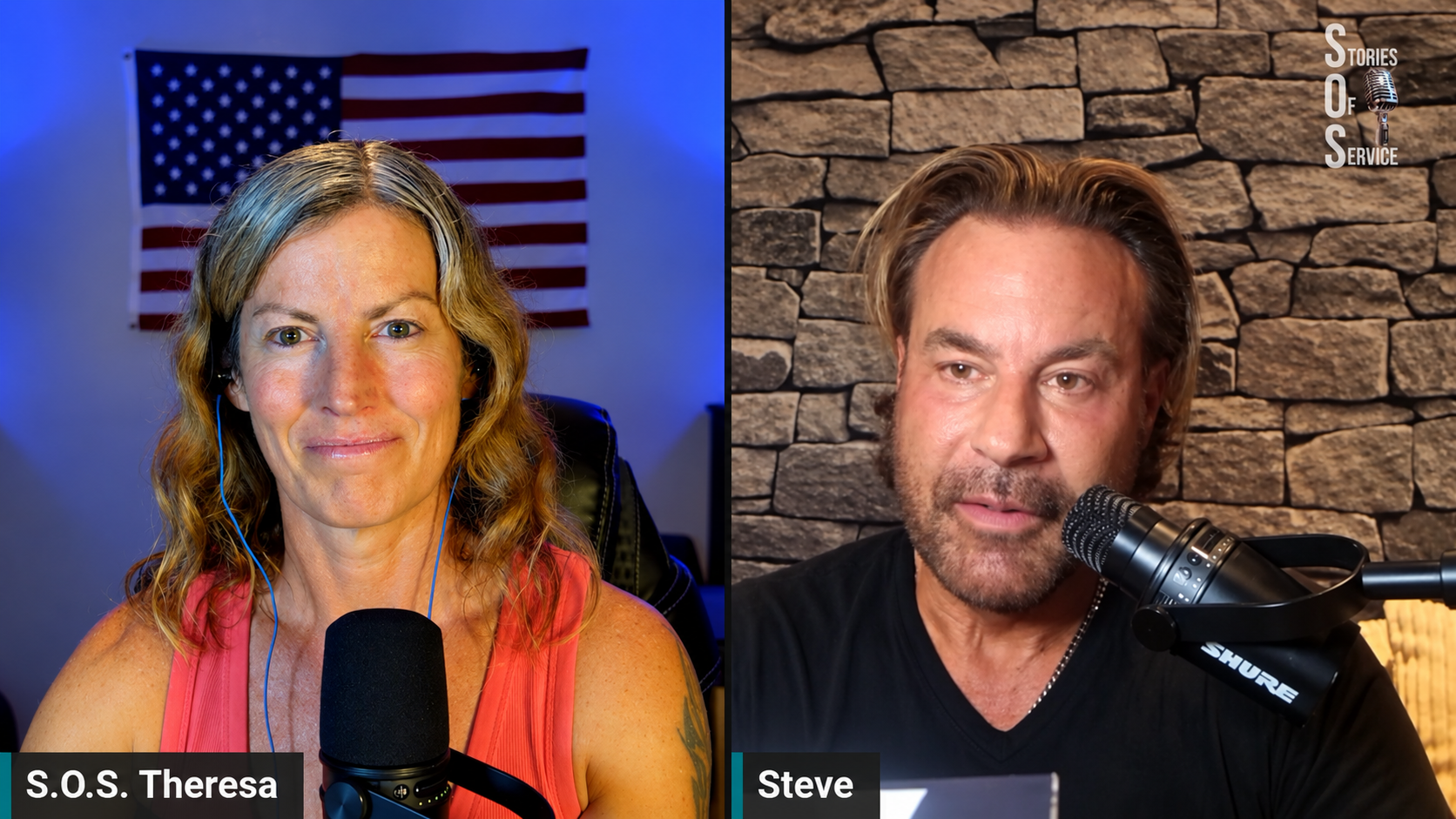
What happens when the career you expected to define your life takes an unexpected turn? For Steve Stanulis, an on-duty injury changed the direction of his NYPD career. His next chapters would include celebrity security, acting, independent filmmaking, private investigations, and podcasting.
On S.O.S. Stories of Service, host Theresa Carpenter speaks with Stanulis about an unconventional life shaped by opportunity, setbacks, and a willingness to start again. Beyond the recognizable Hollywood names, their conversation explores a question many people face: How do you build a new identity when your original plan changes?
Growing Up in Staten Island and Joining the NYPD
Stanulis grew up in Staten Island in a family where policing was familiar territory. His father, brother, and uncles were police officers, making a future in the New York City Police Department feel almost predetermined.
Although he imagined other possibilities, including acting and football, joining the NYPD remained the expectation. He eventually served as a patrol officer, responding to calls from a police car rather than walking a foot beat.
His story illustrates how family traditions can influence a career before someone has fully explored their own interests. However, even while working in law enforcement, Stanulis was already developing a life beyond the uniform.
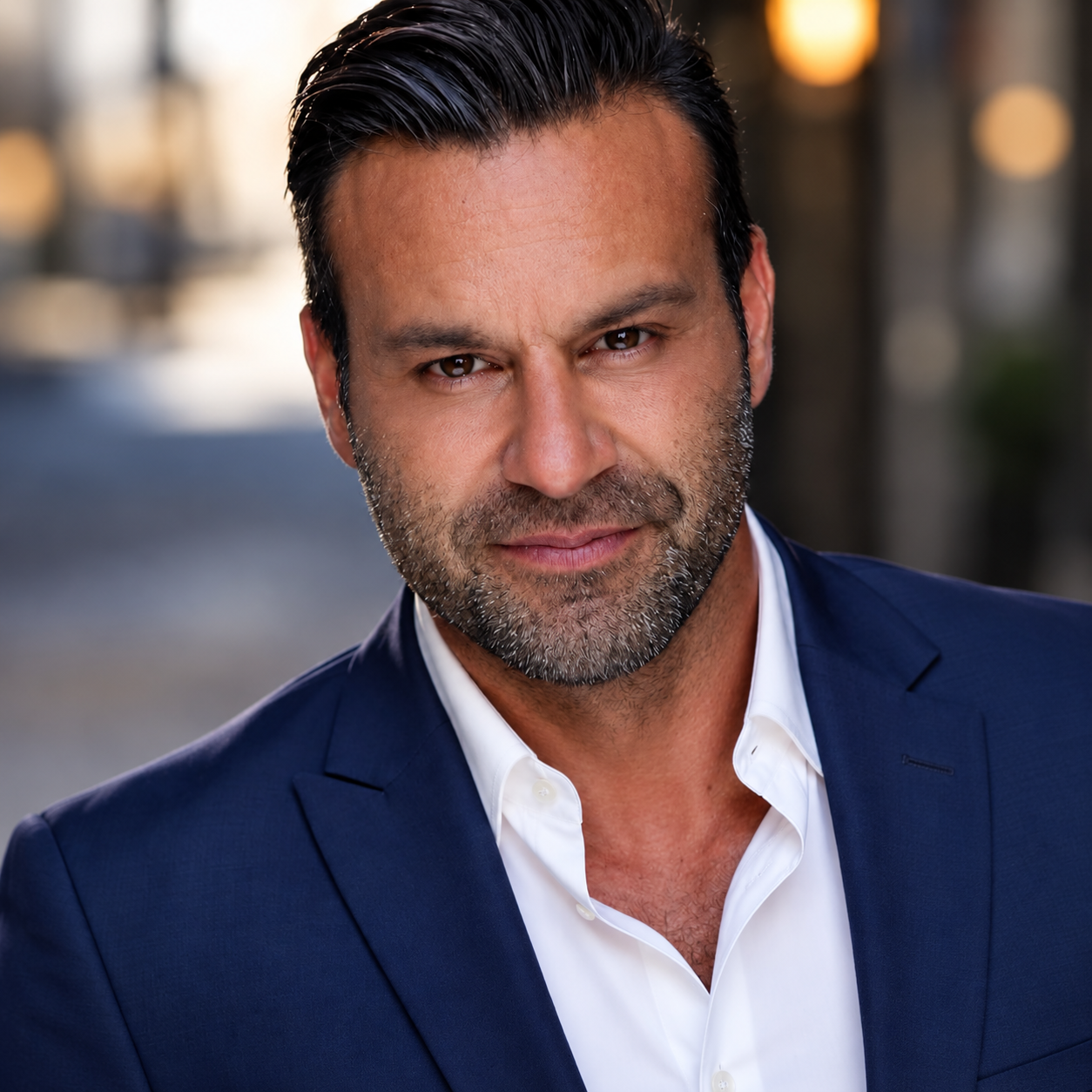
GUEST BIO: WHO IS STEVE STANULIS?
Steve Stanulis is a former New York City Police Department officer, actor, filmmaker, and entrepreneur from Staten Island. His unconventional career includes performing with Chippendales, working in celebrity security, and transitioning into acting and independent film production. His screen work includes projects such as The Sopranos, The Interpreter, and Gangs of New York, while his filmmaking projects include Great Kills.
Beyond entertainment, Stanulis has built a private investigation business and hosts podcasts exploring entrepreneurship and true crime. In his conversation with Theresa Carpenter on S.O.S. Stories of Service, he reflects on career reinvention, overcoming setbacks, and using experiences from different chapters of his life to inspire new work.
Chippendales, Police Work, and an Unconventional Schedule
One of the interview’s more surprising revelations is that Stanulis began performing with Chippendales before becoming a police officer.
He recalls meeting a dancer on his first day of college while looking for work. That introduction led him into performing at age 18, beginning a chapter he says lasted approximately 12 years.
For a period, police work and dancing overlapped. Day shifts allowed him to work in law enforcement and perform at night. His colleagues knew about his other job and called him by his stage name, Steve Savage.
The contrast makes his early career memorable, but it also introduces a recurring theme: Stanulis did not limit himself to a single professional identity. He pursued opportunities that interested him, even when they did not fit neatly together.
Celebrity Security Opened a Door to Acting
Stanulis describes his introduction to Hollywood as a series of unexpected encounters. Working around celebrities, including Leonardo DiCaprio, brought him into rooms where new opportunities became possible.
At one gathering, a conversation about his high school football experience led to an opportunity on The Replacements. He recalls taking vacation time from the police department to spend several days on the production.
He also discusses working on Gangs of New York and observing Daniel Day-Lewis’s commitment to staying in character. Being close to an experienced performer gave him a different understanding of acting as a craft.
These experiences sparked his interest in pursuing acting more seriously. Yet the access that helped him begin would not last indefinitely.
Starting Over When Hollywood Connections Disappeared
According to Stanulis, an important professional connection disappeared after the person who introduced him to entertainment contacts encountered legal trouble. The network he had relied on was suddenly no longer available.
Instead of walking away, he began developing the skills and relationships needed to continue independently. Acting classes, finding representation, and learning the business became part of the process.
He credits DiCaprio with offering encouragement during his early journey. What mattered was having someone push him to keep going rather than trying to reproduce another actor’s career.
This part of his story gives career reinvention a practical dimension. An introduction can create an opening, but sustained progress requires preparation and effort after the initial opportunity passes.
Why Steve Stanulis Began Making His Own Films
As an actor, Stanulis found himself repeatedly considered for police and gangster roles. Wanting to demonstrate a wider range, he began creating short films and developing his own productions.
Some people questioned that decision, he recalls. For him, making films offered a way to show abilities that casting opportunities were not revealing.
His early projects leaned toward dark, psychological storytelling. Producing shorts, entering festivals, and moving toward feature films also taught him that creative decisions have business consequences.
He remembers a distribution environment with fewer options for reaching audiences directly. Without the online platforms creators now use, securing a release or a video rental distribution deal carried significant weight.
Those experiences shaped his approach to independent filmmaking. In the interview, he recommends considering how a genre travels internationally, arguing that action and horror can be easier to communicate across cultures than certain forms of comedy. It is a lesson from his experience, rather than a guarantee of commercial success.
Private Investigations Helped Support His Creative Career
Stanulis also explains why he built a private investigation business. Film income could be substantial but irregular, leaving long stretches between payments.
Drawing on his law enforcement background, he started the company in 2016. He describes it as an important source of income that helped support his broader professional life.
Although much of his role is behind the scenes, he says he becomes involved when cases require his police experience, including missing-person matters and cold homicide cases.
For anyone considering a creative career, this is a useful reminder: Reinvention can involve using existing skills to support new ambitions. A previous profession can remain valuable even after it stops being the main focus.
Podcasting, Curiosity, and New Connections
During the conversation, Stanulis discusses two podcasts: one centered on entrepreneurship and another focused on true crime. Both reflect his interest in how people work, solve problems, and build unusual careers.
His advice to aspiring podcasters is to choose a subject they enjoy enough to explore consistently. He describes spending years building momentum before the work generated income.
Carpenter shares that curiosity has also helped her build relationships through Stories of Service. Their exchange highlights a benefit that audience numbers cannot fully capture: meaningful conversations can lead to friendships, professional connections, and fresh perspectives.
WATCH FULL EPISODE HERE
New Film Ideas and the Drive to Keep Creating
At the time of the interview, Stanulis described a film project called Lazarus Syndrome as being in pre-production. He explained that discovering the subject while scrolling online prompted him to explore it as a screenplay idea.
He also discussed Great Kills, describing its dark comedy premise as a mockumentary following a hitman.
Across these projects, his motivation remains consistent. He wants something to work toward each day and still has ideas he hopes to pursue. Financial security alone, he explains, would not satisfy that need for purpose.
What Steve Stanulis’s Story Teaches About Reinvention
Stanulis acknowledges that fear of failure and concern about other people’s opinions can keep someone from taking the next step. He has experienced those doubts himself.
His response is to consider the life he wants to look back on: one filled with experiences he attempted, rather than possibilities he never explored.
That outlook connects the many chapters of his story. Police work, performing, security, filmmaking, and business ownership each required him to adapt and use what he had learned before.
Watch or listen to Steve Stanulis’s conversation with Theresa Carpenter on S.O.S. Stories of Service for more on his NYPD background, Hollywood experiences, and approach to building a life with room for reinvention.
Editor’s Note
Steve Stanulis’s story offers a reminder that changing direction does not mean starting from nothing. In this episode of S.O.S. Stories of Service, his conversation with Theresa Carpenter explores how skills, relationships, and lessons from one career can shape the next. From police work to filmmaking, his journey invites us to consider what becomes possible when we are willing to learn, adapt, and try again. Career experiences and project updates in this article reflect what Stanulis shared at the time of the interview.
Learn More
👥 Connect with Stories of Service Podcast