DEI Controversy Meets Pentagon Whistleblowing with Rick Lamberth
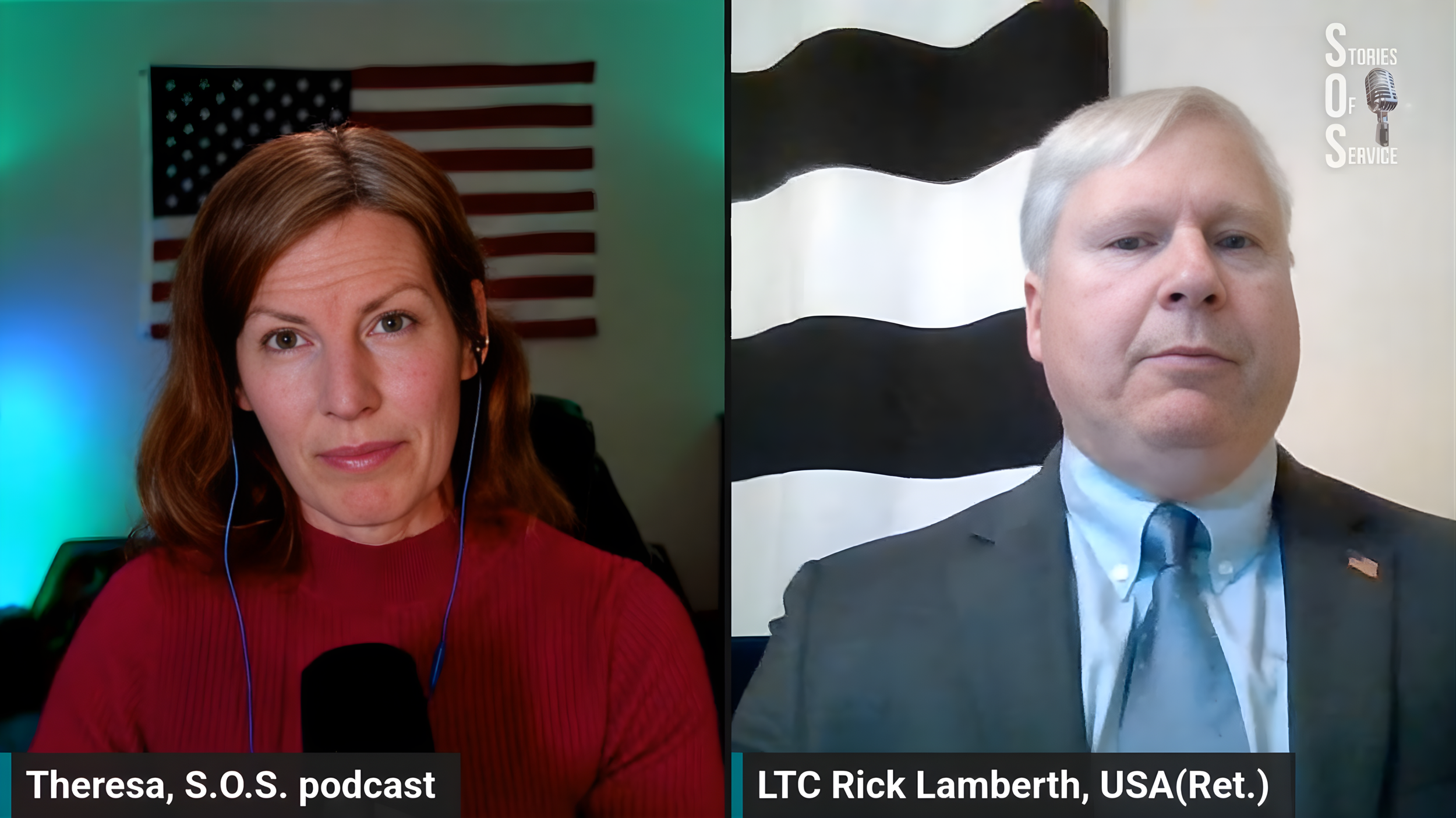
Most people walk into a job with a simple expectation: merit matters. Competence matters. The person with the experience, judgment, and ability to produce real outcomes should be trusted to do the work. In institutions responsible for national defense, that expectation should be non-negotiable.
But what happens when it isn’t?
Rick Lamberth’s story—spanning more than four decades of service to the United States—raises uncomfortable questions about ethics, accountability, retaliation, and whether the Pentagon’s current culture still rewards integrity over optics.
A Career Built on Service and Oversight
Rick Lamberth began his career the traditional way: enlisting as an infantryman during the Cold War, standing guard on the Czechoslovakian border, and learning early what responsibility and vigilance looked like. Mentorship from senior leaders encouraged him to pursue college and commissioning, eventually serving as an armor officer, combat engineer, and logistician across the Army, National Guard, and Reserve.
By the early 2000s, Lamberth transitioned into contracting oversight—first as a Contracting Officer’s Representative (COR), then as a senior logistics and acquisition professional. This role placed him at the intersection of government accountability and private industry profit, a place where ethical clarity matters most.
It was also where he first saw how easily lines could be crossed.
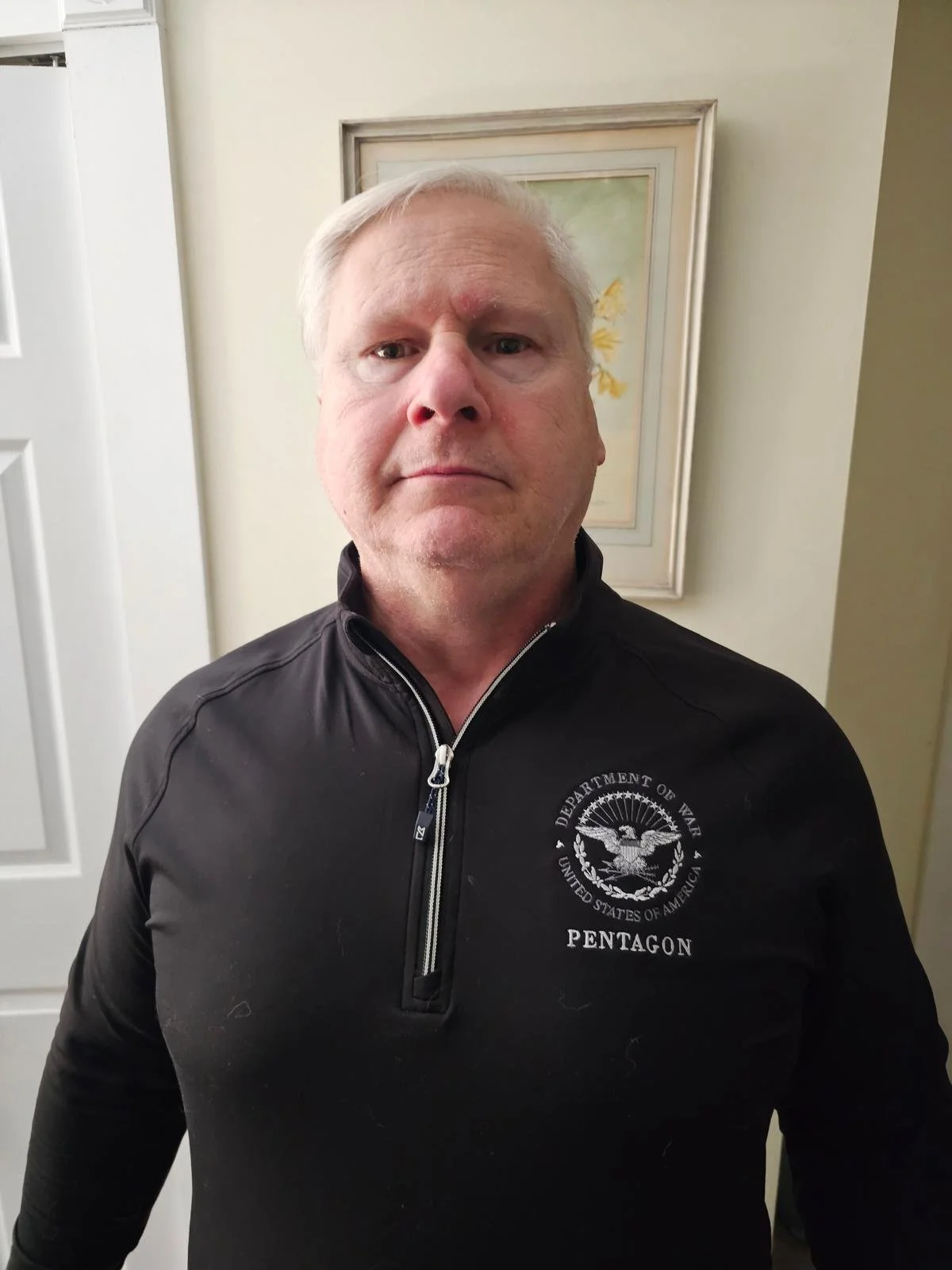
GUEST BIO: WHO IS RICK LAMBERTH?
Rick Lamberth is a retired U.S. Army veteran and senior federal acquisition and logistics professional with more than four decades of combined military and civilian service. Over his career, he served as an enlisted infantryman, commissioned officer, and later as a high-level civilian program and contracting oversight specialist, including assignments in Kuwait, Iraq, Afghanistan, and the Pentagon. Lamberth became known for his insistence on ethical contracting practices, accurate reporting, and strict adherence to federal acquisition law, even when doing so placed him in conflict with senior leadership. His later career was marked by whistleblower activity and alleged retaliation after he raised concerns about improper contracting behavior, abuse of authority, and systemic failures in Department of Defense oversight.
Seeing Fraud Up Close—and Refusing to Look Away
During deployments to Kuwait, Iraq, and Afghanistan, Rick Lamberth observed what he describes as widespread contracting abuses: inflated costs, substandard equipment passed off as mission-ready, and government funds treated as limitless. Major contractors, shielded by scale and political influence, operated with little fear of consequences.
Lamberth refused to sign off on false reports or misrepresent equipment readiness, even when pressured by senior officers or contractors. That refusal earned him reassignment, isolation, and hostility—but he persisted. To him, lying to the Army or taxpayers was not an option.
Those experiences shaped his belief that accountability in defense contracting was already fragile—and growing worse.
A “Cush” Pentagon Job—Until It Wasn’t
Years later, Rick Lamberth accepted a senior civilian role in the Pentagon as a GS-15 program management analyst, overseeing high-value research and development contracts. On paper, it was the capstone of a long career: a position aligned perfectly with his certifications, experience, and expertise.
At first, the role seemed straightforward. But warning signs appeared quickly. Lamberth noticed unusually high turnover among his predecessors—all experienced veterans—who had quietly exited the office under similar circumstances. Informal warnings from colleagues suggested a pattern of gaslighting, intimidation, and pressure to approve questionable contracting actions.
Still, Lamberth focused on the work. Until one meeting changed everything.
An Order He Says Crossed the Line
In a closed-door meeting, Rick Lamberth was allegedly instructed to inform a major federally funded research organization that multiple projects would be pulled from their contract and awarded to a direct competitor. According to Lamberth, the purpose was not performance-related—but to pressure the contractor into financial concessions, potentially through cost overruns or improper payments.
Lamberth immediately objected. He warned that the directive was illegal, unethical, and damaging in both substance and appearance. When he asked for the instruction in writing—so it could be evaluated properly—the conversation ended abruptly.
No email ever came.
To Lamberth, the implication was clear: he was being asked to facilitate extortion.
Reporting Up the Chain—and Hitting a Wall
Following established procedure, Rick Lamberth reported the incident through his chain of command. What he encountered instead of investigation was deflection.
One senior executive told him directly that the individuals involved were “minorities,” implying the matter could not be pursued. Another acknowledged the concern but refused to act. Relationships, optics, and institutional risk aversion outweighed accountability.
Lamberth escalated further, invoking formal open-door policies and filing complaints with inspectors general and oversight bodies. Rather than addressing the alleged misconduct, leadership chose a familiar bureaucratic solution: remove the whistleblower.
Retaliation by Reassignment
Rick Lamberth was transferred out of his role—not to a comparable position aligned with his expertise, but into a security office for which he was neither trained nor classified. He refused to reclassify his career field, recognizing the move for what it was: a way to sideline him without addressing the underlying issue.
Initially, his performance remained satisfactory. But soon, the pattern shifted. Petty write-ups appeared. His tone was questioned. Meetings were missed. Minor administrative issues became formal documentation.
For anyone who has experienced retaliation, the pattern is familiar: once leadership decides you are a problem, the paper trail begins.
A Second Complaint—and Final Removal
While on medical accommodations for a service-connected injury, Rick Lamberth alleges he experienced inappropriate behavior from a supervisor in his new office. When he rebuffed advances and filed a complaint, tensions escalated further.
Requests for reasonable accommodations—including a service dog and parking access—were denied. Medical documentation was challenged. Workers’ compensation claims were disputed. The message was unmistakable.
In March 2025, after more than 43 years of service, Rick Lamberth was removed from federal employment.
WATCH FULL EPISODE HERE
What This Story Is Really About
This story is not about politics. It is not about race, gender, or ideology. It is about systems that reward silence and punish integrity.
Rick Lamberth’s account highlights how whistleblower protections often fail in practice, how oversight mechanisms can be neutralized by personal relationships, and how institutions sometimes prioritize image management over mission success.
Most troubling is the cost: years of litigation, taxpayer-funded legal battles, professional destruction, and unresolved questions about contracting ethics at the highest levels of government.
Why It Matters
Defense contracting governs trillions of dollars. Oversight failures don’t just waste money—they erode trust, weaken readiness, and endanger lives. When experienced professionals are pushed out for raising concerns, the system selects for compliance rather than competence.
Rick Lamberth’s case remains pending across multiple legal venues, including whistleblower and merit systems reviews. Regardless of outcome, his story underscores a reality many insiders quietly acknowledge: retaliation is easier than reform.
Until institutions choose transparency over protectionism—and merit over optics—these stories will continue to surface.
The question is whether anyone in power is listening.
Learn More
👥 Connect with Stories of Service Podcast