The Heroism and Resiliency of 9/11: Stories We Must Remember
We all remember what America lost on September 11, 2001. Twenty-five years later, we must also remember what rose from the ashes.
We saw firefighters climb stairwells while thousands of people descended. Police officers, paramedics, and ordinary citizens ran toward danger. Passengers aboard Flight 93 chose to fight back. Across New York, the Pentagon, and communities throughout the country, strangers stepped forward to help people they had never met.
For those of us who have served in uniform, these stories feel deeply familiar. Military service teaches us that there are moments when the mission and the person standing beside us must come before ourselves. September 11 proved that this instinct does not belong only to service members. It lives in ordinary people who decide to act when circumstances demand something extraordinary.
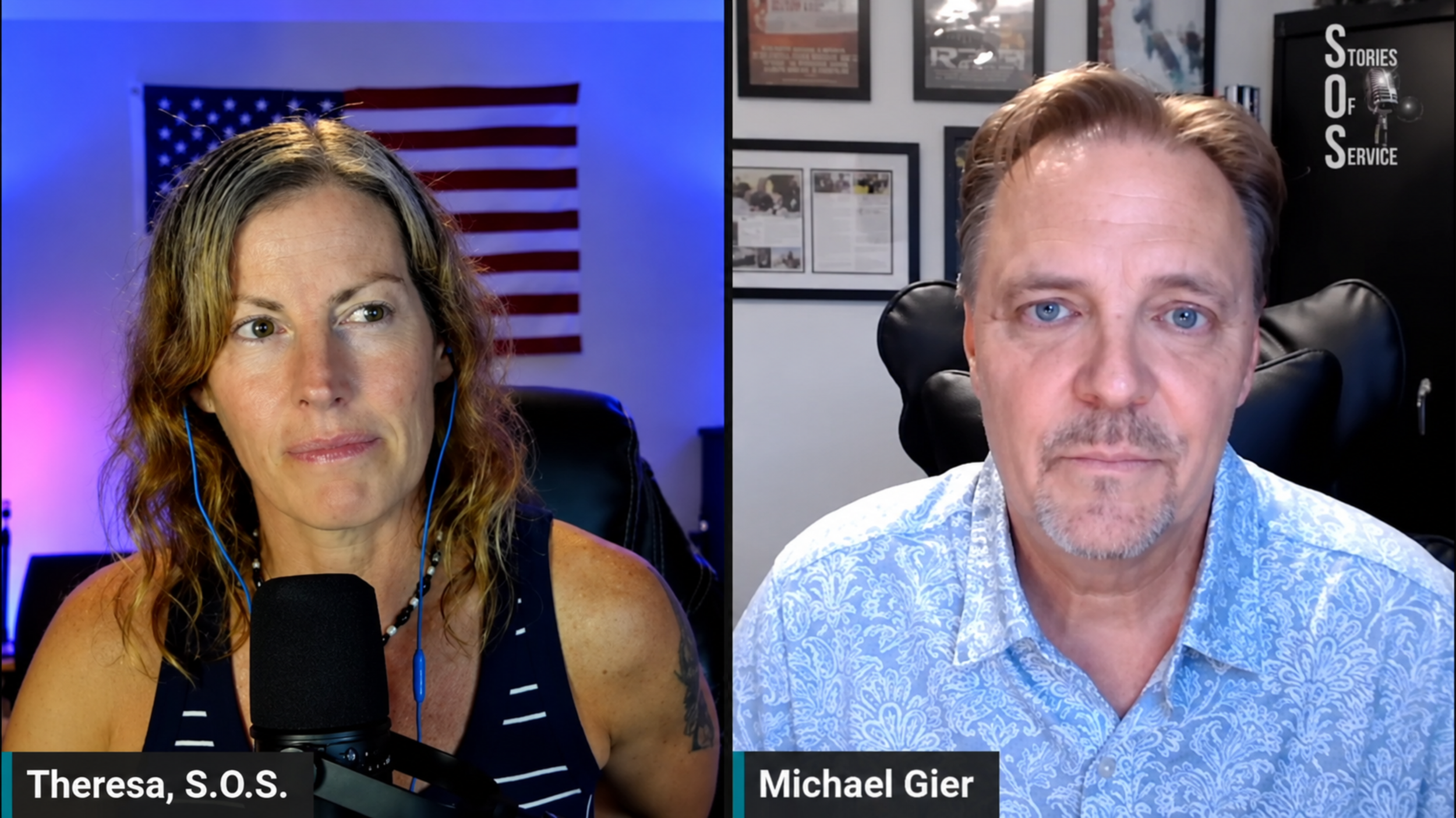
On a special episode of S.O.S. Stories of Service, I spoke with award-winning filmmaker Michael Gier about his documentary, The Heroism and Resiliency of 9/11: From Tragedy to Triumph, narrated by Gary Sinise. Rather than retelling only the horror of that day, the film focuses on courage, compassion, resilience, and the healing power of serving others.
Telling a Different Kind of September 11 Story
Michael began his career as a singer, dancer, and actor in musical theater before transitioning into television, film, and eventually producing. His earlier documentaries explored post-traumatic stress among veterans and first responders, including several people directly affected by September 11.
Those projects eventually connected him with Dr. Chris Meek of SoldierStrong, who wanted to create a film for the 25th anniversary. Michael agreed, but he knew the familiar chronology of the attacks had already been documented many times. He proposed a different approach: tell the stories of the people who showed humanity at its best during humanity’s worst moments.
The project took more than four years to complete. Michael researched overlooked accounts, tracked down witnesses and participants, traveled to interview them, and later added dramatic reenactments to help audiences experience their stories more fully. He also realized the individual segments needed a voice to connect them. Gary Sinise became the film’s narrator—and, as Michael discovered, the perfect person for the role.
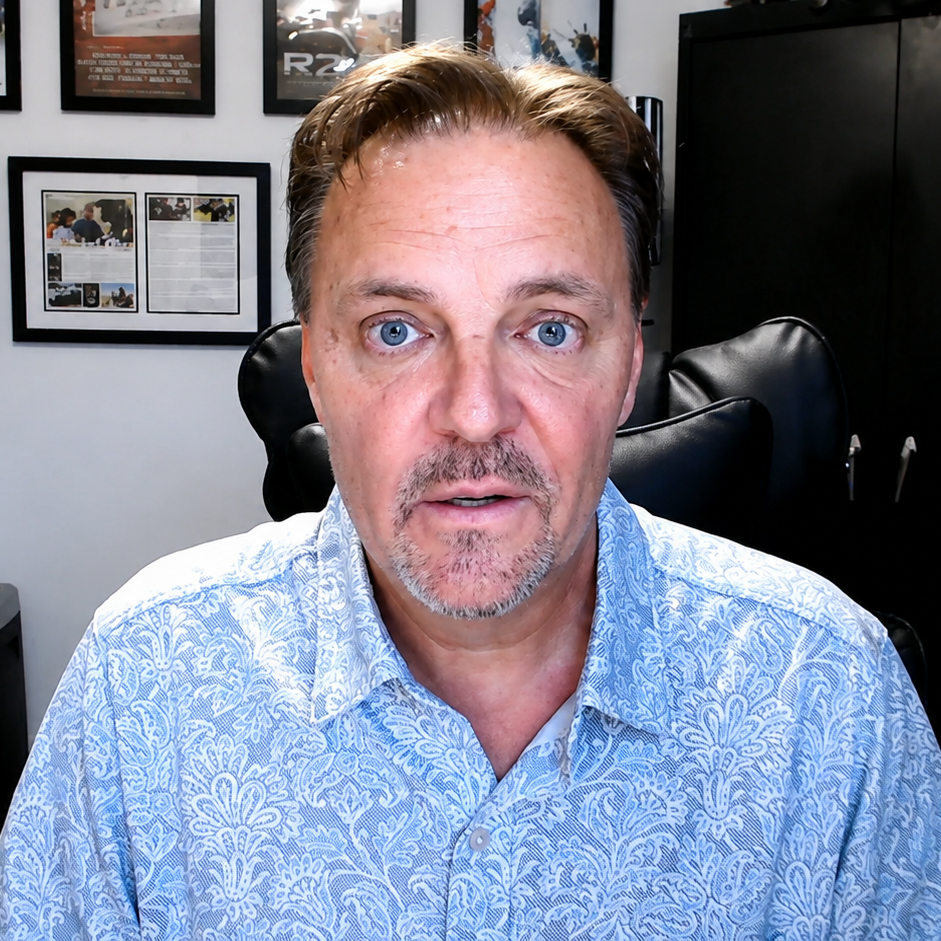
GUEST BIO: WHO IS MICHAEL GIER?
Michael Gier is an award-winning filmmaker, director, and producer whose work often highlights veterans, first responders, trauma recovery, and community service. He began his entertainment career as a singer, dancer, and actor in musical theater before transitioning into television and film. In 2009, he founded a production company and moved behind the camera to produce narrative films and documentaries.
His projects include Wounded Heroes, Healing the Heroes of 9/11, and The Heroism and Resiliency of 9/11: From Tragedy to Triumph. Narrated by Gary Sinise, his latest documentary focuses on lesser-known acts of courage, compassion, and resilience connected to the World Trade Center, Pentagon, and Flight 93.
The Unsung Heroes Who Kept America Moving
The documentary includes well-known public officials, but its emotional center belongs to people whose names rarely appear in conventional accounts of September 11.
One example is Roger Ferguson, who led the Federal Reserve’s response that day. Michael presents him as an unsung hero whose decisions helped protect the country from an even deeper financial catastrophe while the nation’s systems were under extraordinary pressure.
Other stories are smaller in scale but no less powerful. At a homeless mission, people accustomed to receiving help suddenly became caregivers. They made food, offered water and showers, and gave exhausted Wall Street workers a place to call their families. One resident owned only two shirts yet gave one to a man who arrived covered in dust. He gave away half of what he owned to help a stranger whose life would normally have looked completely different from his own.
That story stayed with me because it strips away every label we use to separate people. On that day, wealth, profession, and social status did not determine who had something valuable to offer. Service became the common language.
Inside the Stairwells, at the Pentagon, and on the Water
Michael’s film reaches beyond the World Trade Center to include Flight 93, the Pentagon, and the massive maritime response around Manhattan.
Inside the towers, people moved down crowded stairwells with remarkable patience. Witnesses described strangers helping those who were injured, ill, or physically struggling. Even as firefighters climbed upward carrying heavy equipment, people made space rather than abandoning those who needed more time. What might have looked like gaps in the descending crowd were often groups slowing down to help someone else.
At the Pentagon, Chris Braman reportedly worked for roughly 60 hours before being ordered to stop because he was injured. He entered smoke and destruction while praying that he would find someone to save. Among those he pulled out was Sheila Moody, the only one of the five people he rescued who ultimately survived.
On the water, civilian mariners took part in an enormous evacuation from lower Manhattan. Boats that had never been intended for emergency response transported survivors and helped deliver water needed by firefighters. One aging vessel destined for scrap became a symbol of resilience by returning to service when the city needed it most.
These stories remind us that heroism is rarely neat or planned. Often, it begins when someone looks at an impossible situation and asks, “What can I do right now?”
How Service Helps People Heal
One of the documentary’s strongest messages is that giving back did not only help communities recover—it also helped survivors process what they had endured.
Many of the people Michael interviewed went on to establish nonprofits, serve their neighbors, or build programs inspired by their experiences. Their service did not erase the trauma, but it gave pain a direction and transformed memory into action.
Gary Sinise’s involvement reflects that same idea. Michael learned that September 11 marked a major turning point in Sinise’s life. It inspired him to use his public platform more intentionally in support of service members, veterans, first responders, and their families. That commitment eventually grew through the Lieutenant Dan Band and the Gary Sinise Foundation.
Service does not always require creating a national organization. It can mean volunteering at a shelter, checking on a neighbor, holding a door, listening to someone who feels invisible, or simply looking up from a phone and offering a smile. Small acts matter because they remind people that they are seen.
WATCH FULL EPISODE HERE
Remembering the Unity of September 12
At screenings, Michael said people from both the political left and right shared nearly identical reactions: the film reminded them that America needs to come together again.
That response matters in a time when division is profitable and outrage is constant. The people featured in this documentary did not stop to ask how someone voted, how much money they earned, or whether they belonged to the same social group. They recognized a human being in need and responded.
We should not need another national tragedy to rediscover that instinct.
The film’s legacy will continue through the 9/11 Legacy Foundation, which is collecting additional testimony and developing educational materials for schools, colleges, churches, and businesses. Preserving these accounts is especially important as younger generations grow up without personal memories of September 11.
The Heroism and Resiliency of 9/11: From Tragedy to Triumph asks us to remember more than destruction. It asks us to remember the hands reaching through smoke, the boats crossing the water, the strangers sharing food, the first responders refusing to stop, and the communities choosing service over fear.
That is the legacy worth carrying forward—not only on September 11, but every day.
Leadership Matters Most When Doing the Right Thing Costs You
Bradley Geary’s story raises questions that extend well beyond Naval Special Warfare.
What happens when loyalty conflicts with truth?
When does accountability become scapegoating?
How should leaders respond when they believe their institution is protecting a narrative rather than pursuing facts?
And how much are we willing to sacrifice for principles we claim to believe in?
For Geary, the ultimate lesson is that leadership cannot simply be measured by rank, awards, combat experience, or authority.
Leadership is tested when doing the right thing becomes uncomfortable.
It is tested when belonging to the team requires silence.
And it is tested when telling the truth may cost you the very career you spent decades building.
That is where moral courage begins.
Editor’s Note
This article is based on Theresa Carpenter’s conversation with award-winning filmmaker Michael Gier on S.O.S. Stories of Service. It explores his documentary, The Heroism and Resiliency of 9/11: From Tragedy to Triumph, narrated by Gary Sinise, which highlights the courage, compassion, and selfless service that emerged from the World Trade Center, Pentagon, Flight 93, and surrounding communities. By preserving these lesser-known stories, the documentary honors those affected by September 11 while encouraging future generations to carry that spirit of unity, kindness, and service into their own communities.
Learn More
👥 Connect with Stories of Service Podcast