Who Are You When No One Is Watching?
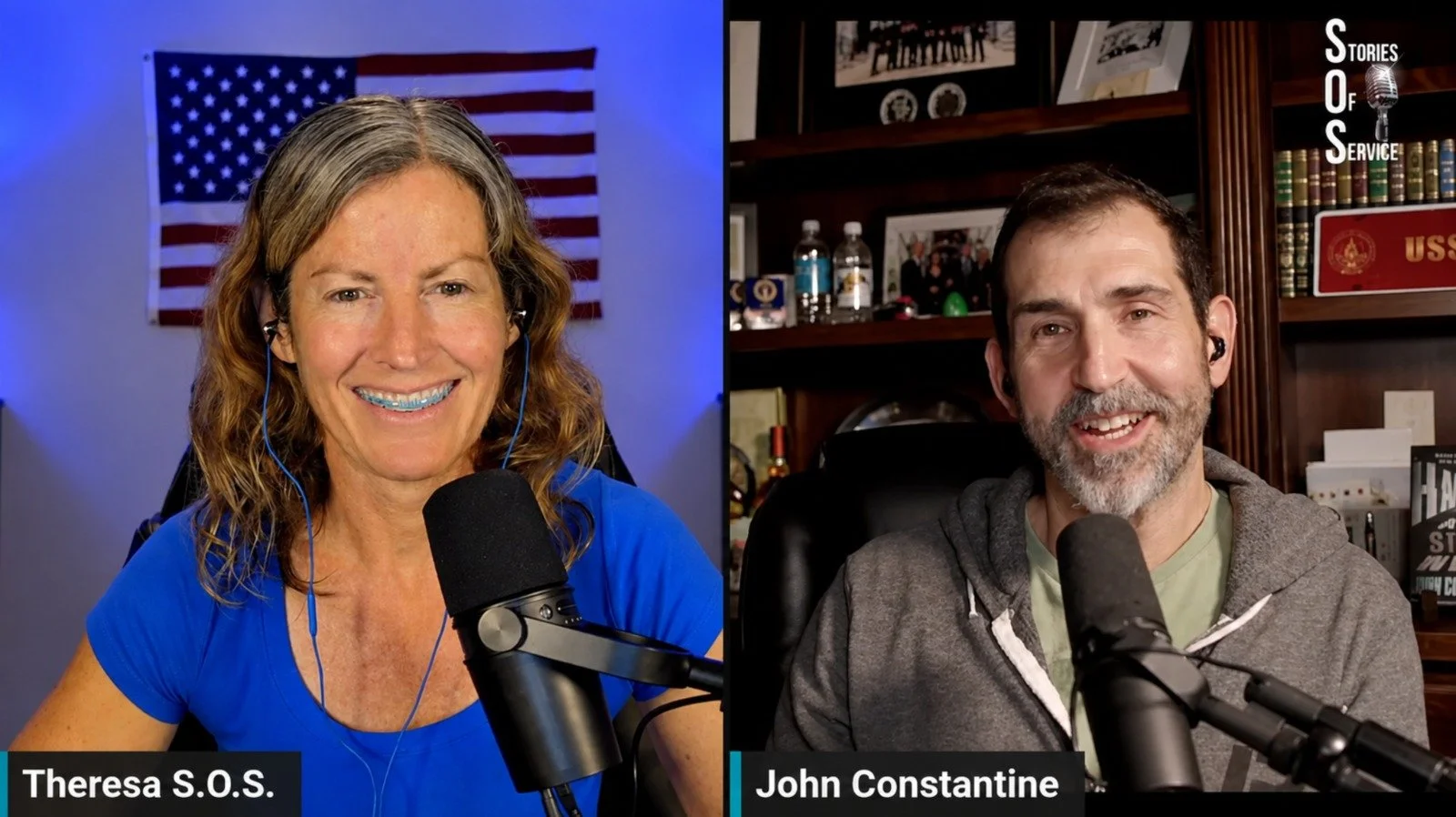
What happens when the title, authority, access, and recognition that once defined you disappear?
On this episode of S.O.S. Stories of Service, I spoke with John Constantine, a retired U.S. Secret Service agent and author of Hallways and Stairwells. John spent nearly 23 years in government service, including more than 17 years in protective operations and time with the elite Counter Assault Team.
Our conversation went beyond presidential protection and the mystique of the Secret Service. We explored leadership, accountability, institutional culture, personal identity, and the unseen work required to develop genuine self-worth.
Inspired to Serve After 9/11
John grew up in northern New Jersey, directly across the river from New York City. When the September 11 attacks happened, he could see the devastation unfolding.
Like many young adults, John had not yet determined what he wanted to do with his life. However, witnessing 9/11 made one thing clear: he wanted to serve and work directly with people.
He applied to several government agencies, and the Secret Service hired him within several months. John entered the agency in 2002, when the security environment was rapidly changing. Because he joined after 9/11, increased vigilance, evolving threats, and the Global War on Terror shaped his earliest experiences.
He was young, inexperienced, and determined to absorb as much knowledge as possible.
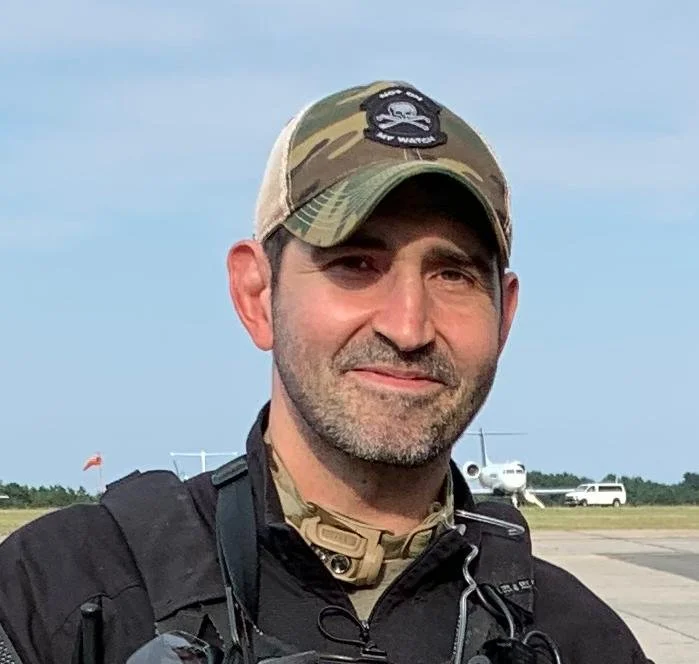
GUEST BIO: WHO IS JOHN CONSTANTINE?
John Constantine is a retired United States Secret Service agent with nearly 23 years of government service. He spent much of his career in protective operations, including service in the Special Operations Division and on the elite Counter Assault Team. Throughout his career, he protected national leaders, supported complex security operations, and developed a deep understanding of leadership, institutional culture, and the influence of ego in high-pressure environments.
He is also the author of Hallways and Stairwells, a book exploring leadership, integrity, identity, self-worth, and the private decisions that shape a person’s character. Since retiring, John has focused on consulting, training, writing, mentorship, and community involvement. Through his work, he encourages people to build genuine self-worth, remain accountable, and become leaders worth following—even when no one is watching.
Challenging “The Way We’ve Always Done It”
As John advanced through the Secret Service, he began recognizing the influence of ego, entitlement, and bureaucracy within powerful institutions.
He acknowledged that he was not exempt from those pressures. Like many people entering an established organization, he initially conformed because he did not know another way. Eventually, however, he reached a point where he had to decide what kind of professional and leader he wanted to become.
Innovation often creates resistance, especially in organizations with deeply established practices. John was frequently asked why he could not simply do what everyone else did. Sometimes the standard approach was appropriate. At other times, following tradition without questioning it could interfere with the mission.
John described one phrase as particularly dangerous: “This is the way we’ve always done it.”
In fields involving security, law enforcement, and military service, refusing to adapt can have serious consequences. Threats evolve, and the people responsible for confronting them must evolve as well.
Putting the Mission and People First
John’s leadership philosophy was influenced by the idea of placing the mission first, the people second, and yourself last.
For him, leadership was never supposed to be about protecting a position, reputation, or personal opportunity. It meant completing the mission while caring for the people performing it.
When self-interest comes first, priorities become distorted. Leaders may begin making decisions based on how those decisions affect their careers instead of what is best for the mission and their teams.
John learned to recognize when ego influenced decision-making—both in others and himself. He also discovered that challenging established practices could make someone appear difficult or threatening. Nevertheless, acting with integrity sometimes requires a willingness to be uncomfortable.
True leadership is not revealed when everything is easy or when everyone is watching. It is revealed in the hallways and stairwells—the quiet moments when no praise, promotion, or recognition is available.
Self-Esteem Versus Self-Worth
One of the most meaningful parts of our conversation was John’s distinction between self-esteem and self-worth.
He described self-esteem as how we believe the world sees us. It can be connected to our appearance, accomplishments, professional position, and reputation. Because other people can observe those things, self-esteem often depends on external validation.
Self-worth is different.
Self-worth is internal. It is shaped by what you do when nobody is watching and cannot be measured by your job title, uniform, credentials, or public image.
A person may receive praise and hold an impressive position while privately making choices that conflict with their values. Conversely, someone may quietly demonstrate discipline and integrity without receiving recognition.
When your identity depends entirely on external approval, losing a career or position can leave an enormous void.
When Your Career Becomes Your Identity
John explained how easily demanding professions can consume a person’s identity. For years, he was known as a Secret Service agent and Counter Assault Team member. That identity brought responsibility, access, purpose, and a sense of importance.
But what happens when it ends?
Military members, law enforcement officers, first responders, medical professionals, and others in high-pressure careers can experience the same struggle. When a profession becomes your entire identity, retirement or separation may feel like losing yourself.
John experienced this transition after leaving the Counter Assault Team approximately two years before retirement. Although the change was difficult, it gave him time to separate his identity from his career.
By the time he retired, he could appreciate his service without allowing it to define his entire future. His Secret Service career remained an important chapter, but it was no longer the whole story.
Finding Purpose Beyond the Badge
After retirement, John developed routines and interests that belonged to him—not to the Secret Service.
He became deeply involved in Brazilian jiu-jitsu, where he found humility, friendship, and community. He spent more time with his family, improved his cooking, studied languages, read, journaled, and built a consulting business.
These activities helped him recognize that identity is not limited to one role. A person can be a parent, spouse, friend, student, mentor, athlete, and community member.
Finding a community was especially important. Through jiu-jitsu, church, leadership programs, and other local relationships, John connected with people from different professions, political perspectives, and backgrounds.
They did not need to agree on everything to serve, learn, and help one another.
WATCH FULL EPISODE HERE
Building Self-Worth in Private
John shared a simple example of how someone can begin rebuilding self-worth: perform one thoughtful act at home without announcing it or expecting praise.
Wash the dishes. Fold the laundry. Complete a task that will make someone else’s day easier—and say nothing about it.
Repeat that behavior consistently.
The purpose is not to earn recognition. It is to prove to yourself that you can act with discipline, generosity, and integrity without needing an audience.
Small, private actions eventually create something more durable than public approval. They build an internal foundation that criticism, career changes, and lost status cannot easily destroy.
Becoming Someone Worth Following
Leadership does not begin with a promotion or title. It begins with personal accountability.
People recognize when a leader is motivated by ego. They also recognize discipline, humility, honesty, and genuine concern for others. Before asking how to make people follow us, we should ask whether we have become someone worth following.
John’s message is not that we must reject our careers or accomplishments. We should be proud of meaningful service. But our work should be one part of our identity—not the only reason we believe we have value.
The most important work often happens away from the applause. It happens through the daily decisions that shape our character.
That is the central question behind Hallways and Stairwells: Who are you when no one is watching?
Editor’s Note
In this episode of S.O.S. Stories of Service, Theresa Carpenter speaks with retired U.S. Secret Service agent and Hallways and Stairwells author John Constantine. Their conversation explores leadership, integrity, self-worth, identity after service, and the importance of doing the right thing—even when no one is watching.
Learn More
👥 Connect with Stories of Service Podcast
Find John’s book: https://a.co/d/07hm0axg